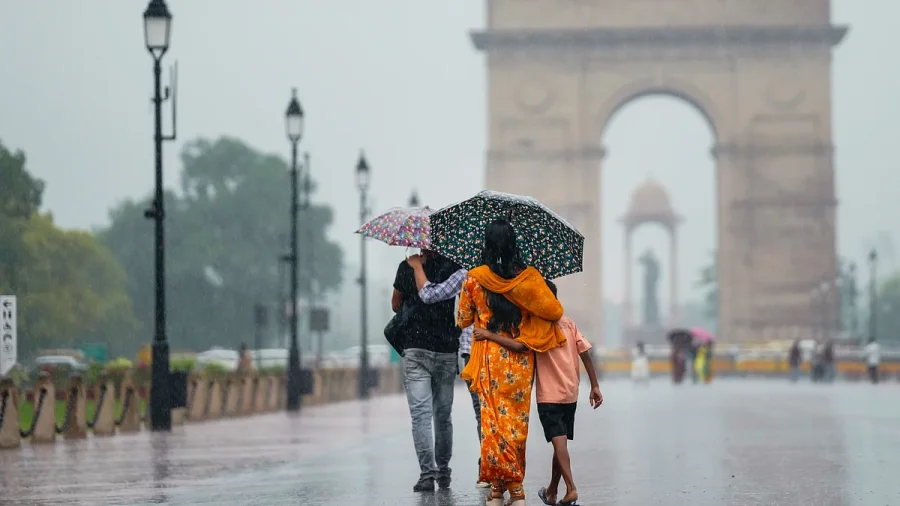
Delhi ended July with a striking paradox: the city recorded its most polluted July in seven years, even as it received above-normal monsoon rainfall and witnessed its first 'good' air quality day for the month in nearly a decade.
What the numbers reveal about Delhi's July air quality
According to an analysis by the Centre for Research on Energy and Clean Air (CREA), Delhi's average Air Quality Index (AQI) for the first 30 days of July stood at 119. This is the highest monthly average for July since 2019, when it was 134. The figure marks a sharp deterioration from July last year, when the monthly average AQI was 78 — a 52% increase in just one year.
Why this paradox matters for Delhi residents
For millions living in the national capital, the data raises troubling questions. Monsoon rains typically wash away pollutants and improve air quality. Yet Delhi's July this year saw the opposite trend: more rain, but worse air. This suggests that emission sources — from vehicles, construction dust, industrial activity, and stubble burning in neighboring states — may be overwhelming the natural cleansing effect of rainfall.
How Delhi's July weather extremes unfolded
July 2024 was a month of weather extremes for Delhi. After a prolonged dry spell, the city received above-normal monsoon rainfall. It also registered its warmest average day and night temperatures in two years. The combination of heat, humidity, and pollution created a challenging environment for residents, particularly those with respiratory conditions.
Who is most affected by this pollution spike
The sharp rise in pollution levels disproportionately affects children, the elderly, and people with pre-existing respiratory or cardiovascular conditions. Outdoor workers, street vendors, and construction laborers face the highest exposure. Schools and hospitals in the region may need to reconsider outdoor activities during such periods, even during the monsoon season when air quality is traditionally better.
What CREA's analysis tells us about the trend
The Centre for Research on Energy and Clean Air (CREA) is an independent research organization that tracks air quality trends across Indian cities. Their analysis highlights that while Delhi saw one 'good' air quality day in July — the first in nine years for the month — the overall monthly average worsened significantly. This suggests that the single good day was an outlier, possibly driven by a specific weather event, rather than a sustained improvement.
Why rainfall alone cannot fix Delhi's air crisis
The data underscores a critical lesson: monsoon rains are not a silver bullet for Delhi's pollution problem. While rainfall can temporarily reduce particulate matter, it does not address the underlying sources of emissions. Vehicle exhaust, construction dust, industrial emissions, and agricultural burning continue to pump pollutants into the air. When rain is intermittent or light, it may even trap pollutants closer to the ground due to increased humidity.
Confirmed facts vs what remains unclear
What is confirmed: Delhi's average AQI for July 2024 was 119, the highest since 2019. The city recorded its first 'good' air quality day in July in nine years. The city received above-normal rainfall and recorded warmest average temperatures in two years. What remains unclear: the exact contribution of different pollution sources to this July's spike, and whether meteorological factors like wind patterns or temperature inversions played a role in trapping pollutants despite rainfall.
Risks and balanced view on the data
Critics may point out that the CREA analysis covers only the first 30 days of July, and that a single month's data does not necessarily indicate a long-term trend. Additionally, the 'good' air quality day, while rare, shows that improvement is possible under certain conditions. However, the year-on-year jump from 78 to 119 AQI is significant and warrants attention from policymakers and public health officials.
Wider pattern: Indian cities struggling with monsoon pollution
Delhi is not alone in this trend. Several Indian cities, including Mumbai, Kolkata, and Bengaluru, have reported worsening air quality during monsoon months in recent years. Rapid urbanization, increased construction activity, and rising vehicle numbers are outpacing the natural benefits of rainfall. This pattern suggests that India's air pollution crisis is not limited to winter months but is becoming a year-round challenge.
Practical guidance for Delhi residents
For those living in or visiting Delhi, monitoring real-time AQI levels through apps or government portals is advisable. On days when AQI exceeds 100, limiting outdoor exertion, using N95 masks, and keeping windows closed during peak traffic hours can reduce exposure. Households with vulnerable members — children, elderly, or those with asthma — should consider using air purifiers indoors during high-pollution days, even during monsoon.
What could happen next
If current trends continue, Delhi's air quality during monsoon months may worsen further in coming years. The city's winter pollution crisis is well-documented, but the summer and monsoon months are now showing similar stress. Policy interventions — such as stricter enforcement of construction dust control, promotion of electric vehicles, and better management of agricultural waste — will need to be year-round rather than seasonal.
Our Take
The paradox of Delhi's July pollution — more rain, worse air — is a wake-up call. It shows that nature's cleaning mechanisms are being overwhelmed by human activity. While the single 'good' air quality day offers a glimpse of what is possible, the broader trend is worrying. Delhi's air crisis is no longer a winter-only problem; it is becoming a year-round public health emergency. Policymakers must recognize that monsoon months are no longer a respite and need targeted interventions to address emissions during this period.
Frequently Asked Questions
Why was Delhi's July air quality worse despite more rainfall?
Rainfall typically washes away pollutants, but if emission sources are high enough, the natural cleansing effect can be overwhelmed. Delhi's pollution from vehicles, construction, industry, and agricultural burning may have outpaced what rainfall could remove. Additionally, high humidity during monsoon can trap pollutants closer to the ground.
What was Delhi's average AQI in July 2024?
According to CREA analysis, Delhi's average AQI for the first 30 days of July 2024 was 119, the highest for July since 2019. This is a 52% increase from July 2023, when the average was 78.
Did Delhi have any good air quality days in July?
Yes, Delhi recorded its first 'good' air quality day in July in nine years. However, this was an outlier, and the overall monthly average remained poor due to high pollution on other days.
What is CREA and why does its analysis matter?
The Centre for Research on Energy and Clean Air (CREA) is an independent research organization that analyzes air quality data across Indian cities. Their analysis provides credible, data-driven insights into pollution trends, helping inform public awareness and policy decisions.