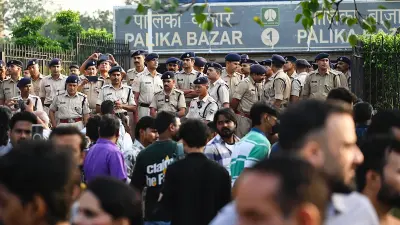
The investigation into the devastating hotel fire in Delhi that claimed multiple lives has taken a sharper, more focused turn. Authorities are now homing in on a series of critical failures that may have turned a manageable incident into a deadly tragedy. The probe has narrowed its lens on a blocked roof exit, the suspected role of room heaters, a litany of safety norm violations, and a complex ownership tangle that is complicating accountability.
Blocked Roof Exit: A Fatal Flaw in Escape Routes
One of the most disturbing findings in the investigation is the condition of the hotel's roof exit. Preliminary reports suggest that this crucial escape route was blocked, potentially sealing the fate of guests who may have tried to flee upwards, away from the smoke and flames. For those trapped on upper floors, a blocked roof exit would have eliminated a primary means of survival, forcing them back into the path of the fire. Investigators are now trying to determine who was responsible for this obstruction and whether it was a deliberate or negligent act.
Room Heaters Under the Scanner as Possible Ignition Source
As the cold of a Delhi winter set in, the use of room heaters has emerged as a key line of inquiry. Officials are examining whether a malfunctioning or improperly placed heater sparked the blaze. The possibility that an electrical short circuit in a heater, or its proximity to flammable materials like curtains or bedding, ignited the fire is being treated as a leading theory. This focus underscores the often-overlooked dangers of portable heating devices, especially in poorly maintained buildings with outdated electrical wiring.
A Cascade of Safety Norm Violations
The investigation has peeled back a layer of systemic failures. The hotel is alleged to have been operating without a valid fire No Objection Certificate (NOC), a fundamental requirement for any commercial establishment. Beyond the missing NOC, reports indicate the building had a single, inadequate exit point, narrow and congested access lanes, and a dangerous tangle of exposed electrical wires. These violations paint a picture of a building that was a disaster waiting to happen, where basic safety was sacrificed for operational convenience.
Why This Probe Matters for Public Safety
This investigation is not just about assigning blame for a single tragedy. It serves as a stark, real-world audit of fire safety enforcement in one of India's largest cities. The findings have immediate implications for thousands of hotels, guesthouses, and commercial buildings operating in similar conditions. The case is forcing a public reckoning with the question: how many other buildings in Delhi are ticking time bombs, operating without proper clearances and with blocked escape routes? The outcome of this probe could set a precedent for stricter enforcement and accountability.
The Ownership Tangle Complicates Accountability
Adding a layer of legal complexity to the case is the question of ownership. Investigators are reportedly untangling a web of ownership records to identify the actual person or entity responsible for the hotel's operations and safety compliance. This tangle is a common feature in many such cases, where nominal owners, leaseholders, and actual operators create a shield of legal ambiguity. Determining who is ultimately liable for the safety violations and the loss of life is a critical step in ensuring justice is served and that future operators cannot hide behind complex corporate structures.
What Is Confirmed and What Still Needs Clarity
While the broad contours of the investigation are clear, several key details remain under scrutiny. It is confirmed that the hotel lacked a fire NOC and that the roof exit was blocked. The role of heaters is a strong line of inquiry but not yet a definitive conclusion. The ownership structure is being investigated, but a final determination of liability is pending. The exact sequence of events on the night of the fire, including how quickly the fire spread and the response time of emergency services, is also part of the ongoing probe.
Risks and the Broader Pattern of Neglect
The Delhi hotel fire is not an isolated incident but part of a disturbing pattern of fire safety negligence in urban India. The risks are systemic: a culture of regulatory laxity, corruption in issuing clearances, and a lack of routine inspections. The human cost of this neglect is measured in lives lost. The probe's focus on these specific failures—the blocked exit, the heaters, the missing NOC—highlights the mundane, preventable nature of such tragedies. The real risk is that without meaningful systemic change, similar incidents will continue to occur.
What This Means for Hotel Guests and Residents
For the average person, this tragedy is a grim reminder to be vigilant about safety, even in seemingly reputable establishments. When checking into a hotel, guests should mentally note the location of fire exits and stairwells. A quick look for fire extinguishers and clear exit signage can be a life-saving habit. For residents of older buildings, this case underscores the importance of ensuring that common areas are free of obstructions and that electrical systems are up to code. The onus, however, remains on authorities to enforce the law and on building owners to prioritize safety over profit.
Future Outlook: Stricter Enforcement on the Horizon?
The public outcry following the fire is likely to force a crackdown. Municipal corporations and fire departments across Delhi and other major cities may launch intensive inspection drives targeting hotels and commercial buildings. We can expect to see a renewed focus on verifying fire NOCs, ensuring clear exit routes, and penalizing violators. However, the long-term effectiveness of such measures will depend on sustained political will and a shift from reactive investigations to proactive safety audits. The true test will be whether the lessons from this tragedy translate into permanent, enforceable change.
Our Take
The probe into the Delhi hotel fire is a textbook case of how a combination of greed, negligence, and regulatory failure can lead to catastrophic loss of life. The focus on a blocked roof exit is particularly damning, as it represents a direct, preventable barrier to survival. While the investigation into the ownership tangle is necessary for legal accountability, the broader lesson is about systemic failure. This tragedy was not an accident; it was the predictable outcome of a system that too often prioritizes revenue over safety. The real justice for the victims will not be a single conviction, but a fundamental overhaul of how fire safety is regulated and enforced in India's urban centers.
FAQs
What is the main focus of the Delhi hotel fire investigation?
The investigation is primarily focused on a blocked roof exit, the suspected role of room heaters in starting the fire, multiple fire safety norm violations, and a complex ownership tangle that is complicating the assignment of responsibility.
Why is the blocked roof exit a critical finding in the probe?
A blocked roof exit is critical because it would have prevented victims from escaping the fire by moving upwards, a common survival strategy in multi-story building fires. This obstruction is seen as a direct and fatal safety failure.
What safety violations are being investigated in the Delhi hotel fire?
Investigators are looking into the hotel operating without a valid fire No Objection Certificate (NOC), having a single inadequate exit point, narrow and congested access lanes, and dangerous electrical wiring, all of which are serious violations of safety norms.
How does the ownership tangle affect the Delhi hotel fire probe?
The ownership tangle makes it difficult for investigators to pinpoint the individual or entity ultimately responsible for the hotel's safety compliance. This legal complexity can delay accountability and is a common challenge in such cases.