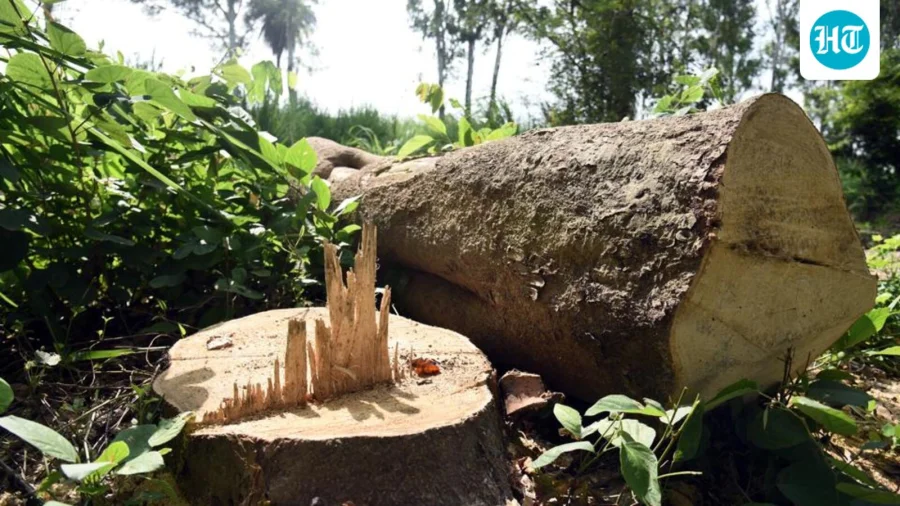
In a significant blow to the Delhi government's push to ease tree-felling rules, the Delhi High Court on Tuesday stayed a notification that exempted landowners from informing a tree officer before cutting down trees deemed dangerous. The court did not mince words, calling the move "prima facie contempt" and accusing the forest department of showing "clear apathy" and a "shocking state of affairs."
What the Notification Allowed — and Why the Court Stopped It
The notification, issued last year by the Delhi government, allowed landowners to cut down trees they considered a threat to life, property, or traffic without first informing the tree officer. This effectively bypassed the standard procedure under the Delhi Preservation of Trees Act, which requires prior permission for felling any tree.
The court found this exemption to be a direct violation of its earlier orders aimed at protecting Delhi's green cover. "This is prima facie contempt," the bench observed, adding that the forest department had repeatedly failed to comply with directions issued by the court.
Why This Matters for Delhi's Green Cover
Delhi, already grappling with some of the worst air pollution in the world, relies heavily on its tree cover for oxygen and temperature regulation. Any relaxation in tree-felling rules could accelerate the loss of green spaces, especially in residential areas where trees are often cut down for construction or safety reasons.
Environmental activists have long argued that the "dangerous tree" exemption is often misused to clear land for development. The court's intervention comes as a relief to those who fear that unchecked tree felling could worsen the city's environmental crisis.
How the Situation Unfolded
The case has a history of court-monitored compliance. The Delhi High Court had previously issued directions to the forest department to strictly enforce tree protection laws. Despite these orders, the department allowed the notification to remain in effect, prompting the court to take a stern view.
During the hearing, the bench noted that the forest department's failure to comply with its directions amounted to "clear apathy." The court also expressed concern over the "shocking state of affairs" within the department, suggesting a systemic disregard for judicial orders.
Who Is Affected by This Stay
The stay directly impacts landowners in Delhi who were hoping to bypass the tree officer's approval for cutting down trees they consider dangerous. This includes individual homeowners, real estate developers, and commercial property owners.
For residents, the court's order means that any tree felling must now go through the proper channel — a process that can be time-consuming but ensures that trees are not cut down without valid reason. Environmental groups have welcomed the decision, calling it a necessary check on arbitrary tree removal.
What the Court Said
The Delhi High Court bench, while staying the notification, made its displeasure clear. "The forest department has shown clear apathy and a shocking state of affairs by repeatedly failing to comply with directions issued by the court," the bench observed.
The court also issued notice to the Delhi government and the forest department, seeking their response on why the notification should not be quashed entirely. The matter is now listed for further hearing, where the government will have to justify the exemption.
What This Means for Tree Protection Laws
The Delhi Preservation of Trees Act requires any person or entity to obtain permission from the tree officer before felling a tree. The notification sought to create an exception for trees deemed dangerous, but the court has now put that exception on hold.
Legal experts say the stay reinforces the principle that environmental protections cannot be diluted through executive notifications. "The court has sent a strong message that tree protection is non-negotiable," said a senior advocate familiar with the case.
Confirmed Facts vs What Remains Unclear
Confirmed: The Delhi High Court has stayed the operation of the notification. The court termed it "prima facie contempt." The forest department has been accused of "clear apathy" and a "shocking state of affairs."
Unclear: Whether the Delhi government will challenge the stay in a higher court. The exact timeline for the next hearing has not been announced. The full reasoning of the court order is yet to be made public.
Risks and Balanced View
While environmental groups have hailed the stay, some argue that the notification was intended to address genuine safety concerns. Trees that are diseased, damaged, or at risk of falling can pose a real threat to life and property, especially during storms.
Critics of the court's decision say that requiring landowners to go through the tree officer for every dangerous tree could lead to delays, potentially putting lives at risk. However, the court's stance suggests that the existing legal framework already provides for such cases, and the exemption was unnecessary.
Wider Trend: Courts Stepping In on Environmental Issues
The Delhi High Court's intervention is part of a broader trend of Indian courts taking a proactive role in environmental protection. From banning firecrackers to ordering the removal of encroachments on forest land, courts have increasingly stepped in where executive action has been lacking.
This case also highlights the tension between development and conservation, a recurring theme in urban India. As cities expand, the pressure to cut down trees for infrastructure and housing projects continues to grow, making judicial oversight more critical than ever.
Practical Guidance for Residents
For Delhi residents who have a tree on their property that they believe is dangerous, the court's stay means they must now approach the tree officer for permission before felling it. The process involves submitting an application, after which the tree officer inspects the tree and decides whether it can be cut down.
Environmental groups advise residents to document the condition of the tree with photographs and seek expert opinion from an arborist before approaching the authorities. They also warn against illegal felling, which can attract penalties under the Delhi Preservation of Trees Act.
Future Outlook
The next hearing in the case will determine whether the notification is quashed entirely or modified to address the court's concerns. The Delhi government may also consider appealing the stay in the Supreme Court.
In the long term, the case could lead to stricter enforcement of tree protection laws in Delhi. The court's strong language suggests that it will not tolerate any further violations of its orders, and the forest department may face contempt proceedings if it fails to comply.
Our Take
The Delhi High Court's decision to stay the tree-felling exemption is a necessary check on executive overreach. While safety concerns are valid, the notification was too broad and could have been easily misused. The court's rebuke of the forest department — calling its conduct "shocking" — underscores the need for greater accountability in environmental governance. This is not just about trees; it is about the rule of law and the protection of Delhi's fragile ecosystem.
Frequently Asked Questions
What did the Delhi High Court stay?
The court stayed a Delhi government notification that exempted landowners from informing a tree officer before felling trees deemed dangerous to life, property, or traffic.
Why did the court call it 'prima facie contempt'?
The court found that the notification violated its earlier orders on tree protection, and the forest department had repeatedly failed to comply with its directions, showing "clear apathy."
What should I do if I have a dangerous tree on my property?
You must now approach the tree officer for permission before felling the tree. Document the tree's condition and seek expert advice before applying.
What happens next in this case?
The court has issued notice to the Delhi government and forest department. The matter will be heard again, and the notification may be quashed or modified.