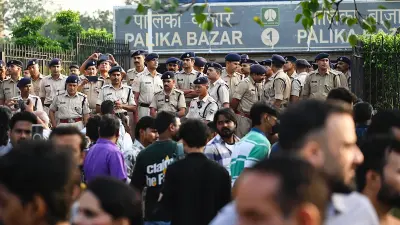
The drowning of three civil service aspirants in a flooded basement coaching centre in Old Rajinder Nagar has forced the Delhi government into action. On Wednesday, Minister Atishi announced that a committee — comprising government officials and students — will be set up to draft regulations for coaching centres across the capital. The move signals a shift from ad-hoc measures to a structured legal framework aimed at preventing such tragedies.
What the committee will address: safety, fees, and mental health
Atishi said the committee will focus on three core areas: safety standards, fee transparency, and mental health support. The deaths in Old Rajinder Nagar exposed how coaching centres often operate in unsafe basements without proper fire exits or drainage. "We want to ensure no student has to fear for their life while chasing their dreams," Atishi said. The committee will also look at capping fees and preventing arbitrary hikes, a long-standing grievance among students and parents.
Why this matters: a crisis of trust in coaching centres
For lakhs of students who migrate to Delhi every year for UPSC, JEE, and NEET coaching, safety is rarely a priority. The tragedy has shattered that assumption. Parents now worry whether the cramped, unregulated basements their children study in are death traps. The committee's formation is a direct response to this crisis of trust. If implemented well, the regulations could set a precedent for other states grappling with similar issues.
Timeline: from tragedy to action
The Old Rajinder Nagar incident occurred in late July 2024, when heavy rain flooded the basement of a coaching centre, trapping three aspirants. The deaths sparked protests and demands for accountability. Within weeks, the Delhi government announced a compensation package and ordered inspections of coaching centres. Now, the focus has shifted to long-term regulation. Atishi's announcement on Wednesday marks the first concrete step toward a legal framework.
Who is affected: students, parents, and coaching centre owners
The committee's recommendations will directly impact over 2,000 coaching centres in Delhi, which serve hundreds of thousands of students. For students, the promise of safer buildings and transparent fees is a relief. For coaching centre owners, the regulations could mean higher compliance costs and stricter oversight. Some may resist, arguing that additional rules will increase operational burdens. But the government has made it clear that student safety is non-negotiable.
What Atishi said: the government's stance
"The Delhi government will constitute a committee comprising officials and students to formulate regulations for coaching centres," Atishi told reporters. She emphasized that the committee will consult all stakeholders, including coaching centre associations, before finalizing the draft. The AAP government has promised to introduce a bill in the Delhi Assembly once the committee submits its report. Atishi did not specify a timeline but indicated the process would be expedited.
What the regulations could look like
Based on existing guidelines from the Central Consumer Protection Authority (CCPA) and the Delhi Fire Service, the new rules may include mandatory fire safety certificates, structural stability audits, and clear fee structures. The committee may also mandate counselling services and helplines for students facing mental health issues. Some experts suggest the regulations could require coaching centres to register with the Delhi government and display their registration number prominently.
Confirmed facts vs what remains unclear
What is confirmed: the committee will be formed, it will include officials and students, and it will focus on safety, fees, and mental health. What remains unclear: the exact composition of the committee, the timeline for its report, and whether the regulations will apply retrospectively to existing centres. The government has not yet clarified how it will enforce the rules or what penalties non-compliant centres will face.
Risks and balanced view
Critics argue that regulation alone cannot solve the deeper problem of India's coaching industry — the intense pressure on students and the lack of affordable alternatives. Some coaching centre owners have warned that strict rules could drive smaller centres out of business, reducing access for students from low-income families. Others question whether the government has the capacity to inspect and monitor thousands of centres effectively. The committee will need to balance safety with practicality.
Wider trend: states cracking down on coaching centres
Delhi is not alone. In recent years, states like Rajasthan, Uttar Pradesh, and Haryana have introduced their own regulations for coaching centres, often in response to student suicides or safety incidents. The CCPA issued national guidelines in 2023, but enforcement remains patchy. Delhi's move could push other states to strengthen their own rules, creating a more uniform regulatory environment across the country.
What students and parents should do now
For now, students and parents should check whether their coaching centre has basic safety measures — fire exits, proper ventilation, and emergency plans. They can also report unsafe conditions to the Delhi government's helpline. Once the regulations are in place, students should verify that their centre is registered and compliant. The committee's formation is a positive step, but real change will depend on enforcement and awareness.
Future outlook: what happens next
The committee is expected to hold consultations over the next few months and submit a draft law to the Delhi government. If passed, the law could come into effect by early 2025. However, implementation will be the real test. The government will need to invest in inspection teams, create a complaint mechanism, and ensure that coaching centres comply. For the families of the three aspirants who died, no regulation can undo the loss — but it can prevent future tragedies.
Our Take
The Delhi government's decision to form a committee is a necessary and overdue response to a systemic failure. Coaching centres have operated with little oversight for decades, prioritizing profits over student safety. The tragedy in Old Rajinder Nagar was a wake-up call. But regulation alone is not enough. The government must also address the root causes — the pressure-cooker environment of competitive exams, the lack of mental health support, and the exploitation of students by unregulated centres. The committee's success will depend on whether it listens to students, enforces rules strictly, and creates a culture of accountability. For now, this is a step in the right direction.
Frequently Asked Questions
Why is the Delhi government setting up a committee for coaching centres?
Following the drowning deaths of three civil service aspirants in a flooded basement coaching centre in Old Rajinder Nagar, the Delhi government announced a committee to draft regulations for coaching centres. The focus is on safety, fee transparency, and mental health support.
Who will be on the committee to regulate coaching centres?
Minister Atishi said the committee will include government officials and student representatives. The exact composition has not been announced yet, but the aim is to ensure all stakeholders have a voice.
What changes can students expect from the new coaching centre regulations?
Students can expect stricter safety standards (fire exits, structural audits), transparent fee structures (no arbitrary hikes), and mandatory mental health support services. The regulations may also require coaching centres to register with the Delhi government.
When will the new coaching centre regulations come into effect?
The committee will first draft the regulations and submit a report to the Delhi government. A bill will then be introduced in the Delhi Assembly. If passed, the law could come into effect by early 2025, but no official timeline has been confirmed.