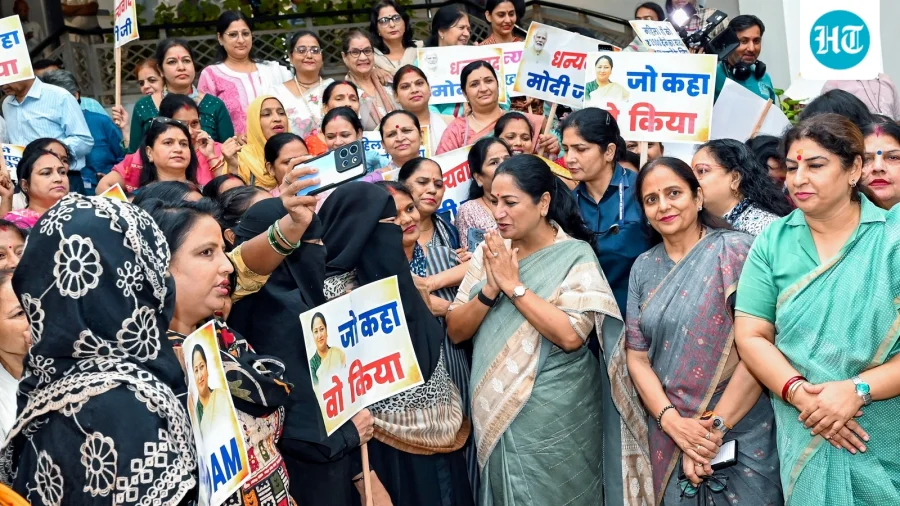
The Delhi government's promise of a ₹2,500 monthly stipend for women has taken a new turn. The financial aid, a key electoral pledge, will come with a specific condition: the money cannot be used to buy liquor or play online games. This restriction is not just a rule—it's a statement about how the state intends to shape the impact of its welfare spending.
How the Payment Model Enforces the Spending Ban
The core of this scheme lies in its payment mechanism. Women who opt for the government's preferred payment model will receive the ₹2,500 directly. This model appears to be a controlled digital wallet or a similar system that allows the government to monitor and restrict transactions. By channeling the funds through this route, the administration can block payments to liquor vendors and online gaming platforms, ensuring the stipend is used for more constructive purposes.
Why the Government is Curbing Spending on Liquor and Games
The rationale behind this move is rooted in social welfare. The primary goal of the stipend is to provide financial independence and support for household expenses. Officials believe that allowing the money to be spent on items like liquor or addictive online games would undermine the scheme's objective. The intent is to ensure the funds contribute to food security, children's education, and other essential needs, thereby maximizing the positive impact on family well-being.
The Journey of the Delhi Women's Stipend Scheme
This stipend was a major promise made by the Aam Aadmi Party (AAP) ahead of the Delhi assembly elections. The proposal was a cornerstone of their campaign, aimed at providing direct financial support to women across the capital. The announcement of the spending restrictions is the latest development in the scheme's rollout, clarifying the operational details of how the financial aid will be managed and monitored.
Who Benefits and How It Affects Daily Life
For lakhs of women in Delhi, this stipend represents a significant addition to their monthly income. The condition attached to the payment model means that for many, the money will be ring-fenced for daily necessities. This could lead to more disciplined household budgeting, but it also raises questions about personal choice and financial autonomy. The scheme is designed to empower women economically, but the restrictions suggest a paternalistic approach to how that empowerment should be exercised.
Official Stance on the Stipend's Spending Rules
According to the original story, the scheme's design is clear: "Under the scheme, women who opt for the government’s preferred payment model will receive ₹2,500 every month." This statement confirms that the spending ban is a feature of the preferred payment route. It is likely that the government will provide more detailed guidelines on the types of merchants that will be blocked, and how beneficiaries can use the funds for a wide range of other goods and services.
Analyzing the Impact of Conditional Cash Transfers
This approach is a form of a conditional cash transfer, a policy tool used globally. The conditionality is meant to correct market failures and social ills by nudging behavior. In this case, the government is using technology to enforce a social good. While this ensures the money is spent on essentials, it also sets a precedent for how digital welfare payments can be controlled. The success of this model could influence how other states design their own financial assistance programs.
Confirmed Details vs. Pending Questions on the Scheme
What is confirmed is the headline figure of ₹2,500 and the restriction on liquor and online games for those using the preferred payment method. What remains unclear is the full list of restricted items, the technical implementation of the block, and whether there will be an option for women to receive the money without such restrictions. The eligibility criteria, application process, and the official launch date are also yet to be formally detailed by the Delhi government.
Weighing the Benefits Against Concerns of Autonomy
The scheme has clear benefits: it provides a safety net and promotes financial inclusion. However, the restrictions raise valid concerns about government overreach into personal spending decisions. Supporters argue that the state has a duty to ensure welfare money is not misused. Critics, however, see it as an infringement on the recipient's right to choose how to spend their own money. This tension between welfare and autonomy is a central debate surrounding the scheme.
A New Trend in Digital Welfare Distribution
The Delhi government's move is part of a broader trend of using digital infrastructure for welfare delivery. By creating a controlled payment ecosystem, the state can ensure transparency and reduce leakage. This specific use of technology to ban certain categories of spending is a novel approach. It signals a future where welfare payments are not just transferred, but also programmed with specific policy objectives, potentially reshaping the relationship between the state and its citizens.
What Should Beneficiaries Do Now?
Women who are eligible for the scheme should wait for the official notification from the Delhi government regarding the application process. It is advisable to keep necessary documents like Aadhaar card, residence proof, and bank details ready. Beneficiaries should also be aware of the payment model options and understand the implications of choosing the preferred payment method, particularly the restrictions on spending. Staying updated through official government channels is crucial to avoid misinformation.
What Lies Ahead for the Stipend Scheme
The coming weeks are likely to see the Delhi government release more specifics about the scheme's implementation. This will include the official name, the registration portal, and the list of partner banks or payment apps. The success of this scheme will depend on its execution and the public's reception of the spending restrictions. It will be interesting to see if the government offers flexibility or if the restrictions remain a hard condition for all beneficiaries.
Our Take
The ₹2,500 stipend is a significant step towards women's financial empowerment in Delhi. However, the decision to restrict spending on liquor and online games introduces a complex layer. While the intent to protect families from the ills of addiction is understandable, it also opens a debate on personal freedom. The scheme's true test will be in its implementation—whether it can provide support without being overly paternalistic, and whether it can truly uplift households without dictating their choices. This is a policy experiment that will be watched closely by other states.
Frequently Asked Questions
Can women spend the ₹2,500 stipend on anything they want?
No. If women opt for the government's preferred payment model, they will not be able to spend the money on liquor or online games. The government is implementing this restriction to ensure the funds are used for essential household needs.
How will the Delhi government stop the stipend from being spent on liquor?
The government will use a preferred digital payment model that can block transactions to specific categories of merchants, such as liquor stores and online gaming platforms. This technological control is designed to enforce the spending ban.
Is the ₹2,500 stipend for all women in Delhi?
The scheme was announced as a key promise to provide financial assistance to women in Delhi. Specific eligibility criteria, such as age and income limits, are expected to be detailed in the official guidelines from the Delhi government.
What is the main purpose of the Delhi women's stipend scheme?
The primary purpose is to provide direct financial support to women, enhancing their financial independence and helping them manage household expenses. The spending restrictions are intended to ensure the money contributes to the family's welfare rather than being spent on harmful items.