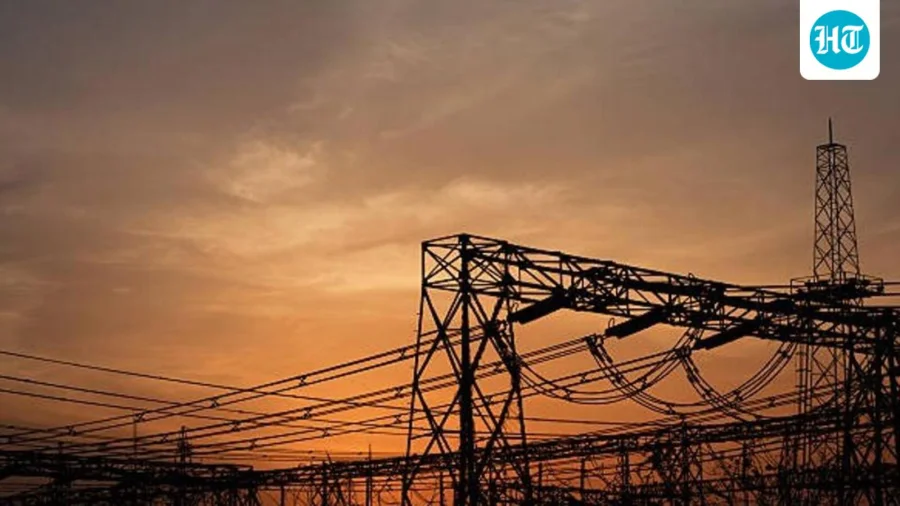
For millions of Delhi residents already grappling with rising living costs, the news of a government-ordered audit of the city's power distribution companies carries a direct, personal weight. The Delhi government has formally directed the Comptroller and Auditor General (CAG) to audit the accounts of three major discoms — BSES Rajdhani Power Limited (BRPL), BSES Yamuna Power Limited (BYPL), and Tata Power Delhi Distribution Limited (TPDDL). This is not a routine check; it is a deep financial probe that could reshape how much you pay for electricity.
Why the CAG audit of Delhi discoms was ordered now
The order follows a significant legal victory for the Delhi government. In June 2025, the Delhi High Court dismissed petitions filed by BSES discoms challenging the government's authority to order a CAG audit. The court's ruling effectively removed the last major legal hurdle, allowing the government to proceed with the audit under Article 148 of the Constitution. The core issue revolves around the discoms' claim of "regulatory assets" — costs they say they have incurred but not yet recovered from consumers. The CAG will now scrutinise these claims.
What the CAG audit will examine — and why it matters for your wallet
The audit's primary focus is on the financial health and operational efficiency of the three discoms. A key area of investigation will be the "regulatory assets" — a term that has become a flashpoint in Delhi's power sector. Discoms argue these are legitimate costs (like power purchase costs and interest) that must be recovered through future tariff hikes. Consumer groups and the government suspect these figures may be inflated or include inefficiencies. If the CAG finds discrepancies, it could lead to lower tariff increases or even refunds for consumers. Conversely, if the audit validates the discoms' claims, it could pave the way for higher bills.
Background: The long-running battle over Delhi's power finances
The dispute is not new. For years, BSES discoms have been locked in a legal and regulatory tussle with the Delhi government and the Delhi Electricity Regulatory Commission (DERC). The discoms have repeatedly sought tariff hikes to cover what they call mounting losses, while the government has resisted, citing poor operational efficiency and alleged financial mismanagement. The CAG audit was first proposed by the previous Aam Aadmi Party government, but was stalled by legal challenges. The High Court's dismissal of those challenges has now reopened the door for a comprehensive financial review.
Who is affected: Delhi's 50 lakh+ power consumers
Every household and business in Delhi that receives electricity from BRPL, BYPL, or TPDDL is a stakeholder in this audit. The outcome will directly influence future tariff revisions. For residents in South and West Delhi (served by BRPL), East and Central Delhi (BYPL), and North and North-West Delhi (TPDDL), the audit's findings could mean the difference between a manageable electricity bill and a steep hike. Small businesses, which are already sensitive to input costs, are particularly vulnerable to any tariff increase that may follow.
Delhi High Court's role and the discoms' response
The Delhi High Court, while dismissing the BSES petitions, did not rule on the merits of the audit itself but on the government's legal authority to order it. The court held that the Delhi government, as the majority shareholder in the discoms (through its holding company), has the right to seek a CAG audit. The BSES discoms had argued that they are private companies and that the CAG's jurisdiction does not extend to them. The court rejected this argument, noting the government's significant financial stake and the public interest involved. Tata Power, which operates TPDDL, has not publicly opposed the audit.
What the CAG audit means for regulatory assets and tariff setting
The concept of "regulatory assets" is central to the audit. In simple terms, these are costs that a regulated utility is allowed to recover from consumers over time, rather than immediately. In Delhi, the discoms have accumulated a large pool of regulatory assets, which they say must be recovered through future tariff hikes. The CAG will examine whether these costs were prudently incurred, whether they are legitimate, and whether the discoms have been efficient in their operations. If the audit finds that the regulatory assets are inflated or include avoidable costs, the DERC may be forced to revise tariffs downward or disallow recovery of certain amounts.
Confirmed facts vs what remains unclear
Confirmed: The Delhi government has issued a formal order for a CAG audit of BRPL, BYPL, and TPDDL. The Delhi High Court has dismissed legal challenges to this audit. The audit will cover the discoms' financial accounts and regulatory assets.
Unclear: The exact scope and timeline of the audit have not been publicly detailed. It is not yet known whether the audit will cover past years only or include ongoing operations. The specific findings and their impact on future tariffs remain speculative until the CAG submits its report.
Why this discom audit matters beyond Delhi
This case is being watched closely by power sector regulators and state governments across India. The Delhi discom audit could set a precedent for how other states handle disputes with private power distribution companies over regulatory assets and tariff setting. If the CAG's findings lead to significant tariff corrections, it may embolden other state governments to demand similar audits. Conversely, if the audit is seen as politically motivated or if its findings are contested, it could complicate the regulatory landscape for private investment in India's power distribution sector.
Risks and balanced view
While consumer groups have welcomed the audit, there are risks. The discoms have warned that prolonged regulatory uncertainty could deter investment in power infrastructure, potentially affecting reliability. They also argue that the audit could be used to delay legitimate tariff revisions, worsening their financial health. Critics of the government's move point out that the CAG is a constitutional body designed for auditing government accounts, and its application to private companies — even those with government shareholding — raises legal and procedural questions. The discoms may still challenge the audit's scope or methodology in court.
Wider trend: Growing scrutiny of power distribution finances
The Delhi audit is part of a broader trend of increased regulatory and governmental scrutiny of power distribution companies across India. With the financial health of many state-owned and private discoms under strain, and with the central government pushing for reforms under the Revamped Distribution Sector Scheme (RDSS), audits and financial reviews are becoming more common. The Delhi case, however, is unique because it involves a direct CAG audit of private entities, which is rare.
What Delhi residents should do now
For now, there is no immediate action required from consumers. However, it is wise to stay informed. Monitor announcements from the DERC and the Delhi government regarding the audit's progress and any interim tariff orders. Keep your electricity bills and records handy, as any future refund or adjustment process may require them. If you are a member of a resident welfare association (RWA), consider raising the issue in your meetings to ensure collective awareness.
Future outlook: What happens next
The CAG will now begin its audit process, which could take several months. Once the report is submitted to the Delhi government, it will likely be referred to the DERC for action. The DERC may then initiate a tariff revision process based on the audit's findings. Legal challenges from the discoms cannot be ruled out, but the High Court's earlier ruling has significantly narrowed their options. The final impact on consumer bills will depend on the audit's conclusions and the subsequent regulatory decisions.
Our Take
The Delhi government's order for a CAG audit of discoms is a significant step towards financial transparency in a sector that directly affects millions of lives. While the legal and procedural complexities are real, the move addresses a long-standing demand for accountability. The key will be whether the audit is conducted impartially and whether its findings lead to tangible benefits for consumers — either through lower tariffs or improved service quality. For now, Delhi residents have reason to watch this development closely, as it could set a precedent for consumer protection in India's power sector.
Frequently Asked Questions
What is a CAG audit and why is it being ordered for Delhi discoms?
The Comptroller and Auditor General (CAG) is India's supreme audit institution. The Delhi government has ordered a CAG audit of three power distribution companies to examine their financial accounts, particularly the "regulatory assets" they claim, which directly affect electricity tariffs for consumers.
Which discoms are being audited?
The audit covers BSES Rajdhani Power Limited (BRPL), BSES Yamuna Power Limited (BYPL), and Tata Power Delhi Distribution Limited (TPDDL). These three companies supply electricity to most of Delhi.
Will this audit lead to lower electricity bills?
Not immediately. The audit will first need to be completed and its findings submitted. If the CAG finds that the discoms have inflated costs or been inefficient, it could lead to lower tariff hikes or even refunds. However, if the audit validates their claims, tariff increases may still occur.
Can the discoms stop the audit?
The Delhi High Court has already dismissed legal challenges from BSES discoms against the audit. While further legal appeals are possible, the court's ruling has cleared the primary legal hurdle, making it difficult for the discoms to block the audit now.