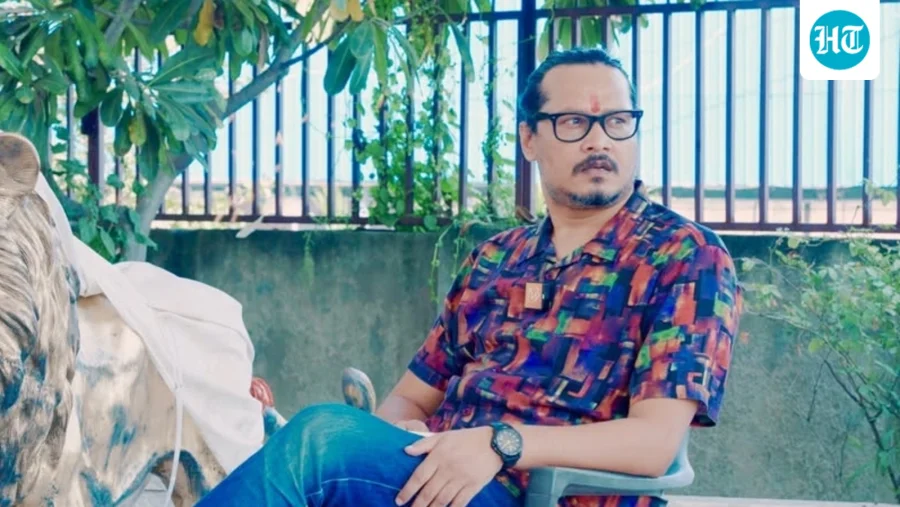
The shield of pre-arrest protection has been taken away. A Delhi court has dismissed the anticipatory bail plea filed by YouTuber Ajeet Bharti, who stands accused of making casteist and derogatory public statements against a member of the Scheduled Caste community. The decision marks a significant legal setback for the content creator, whose online remarks have now landed him in direct confrontation with the law.
What the Court's Dismissal Means for Ajeet Bharti
The dismissal of the anticipatory bail plea means Bharti cannot claim immunity from arrest in connection with the ongoing investigation. In legal terms, anticipatory bail serves as a pre-emptive shield against arrest in a non-bailable offence. By rejecting this plea, the court has signalled that the allegations against the YouTuber warrant a full investigation without the protection he sought.
For Bharti, this development raises the immediate risk of being taken into custody by the investigating agency. The legal process will now determine the next course of action, which could include further questioning, arrest, or the filing of a chargesheet.
Why the Allegations Carry Serious Legal Weight
The accusations against Bharti are not merely about offensive speech. Under Indian law, public statements that are casteist, derogatory, or humiliating towards members of Scheduled Castes attract stringent legal provisions designed to protect marginalised communities from discrimination and indignity.
The legal framework, including the Scheduled Castes and the Scheduled Tribes (Prevention of Atrocities) Act, treats such remarks with particular seriousness. The court's decision to deny anticipatory bail suggests that the bench found merit in the allegations or at least deemed it necessary to allow the investigation to proceed unhindered.
How This Case Fits Into a Broader Pattern of Online Speech Accountability
This case is not an isolated incident. Across India, law enforcement agencies and courts have been increasingly scrutinising hateful and derogatory content posted by social media influencers and YouTubers. The line between free expression and punishable speech has become a subject of intense legal debate.
While freedom of speech is a constitutional right, it comes with reasonable restrictions. Remarks that degrade individuals based on caste, religion, or community fall outside the protective umbrella of free expression. This case serves as a reminder that the digital space is not a lawless frontier.
Who Is Affected and Why It Matters to Ordinary Citizens
For members of Scheduled Caste communities, this case carries deep emotional and social significance. Public humiliation and casteist slurs are not abstract legal concepts — they are lived experiences of discrimination that persist despite constitutional safeguards.
For the wider public, this case highlights the growing accountability of content creators. A YouTube channel does not grant immunity from the law. What is said publicly, even online, can have real-world legal consequences.
The Legal Road Ahead for the YouTuber
With the anticipatory bail plea dismissed, Bharti's legal options are not entirely closed. He retains the right to approach a higher court, such as the Delhi High Court, to seek relief. However, the dismissal at the trial court level is a strong indicator of how the judiciary views the seriousness of the allegations.
The investigating agency, on its part, can now proceed with its probe without the constraint of a pre-arrest bail order. This could involve summoning Bharti for questioning, conducting further evidence collection, or making an arrest if deemed necessary.
Confirmed Facts vs What Remains Unclear
What is confirmed is that the Delhi court dismissed the anticipatory bail plea. It is also confirmed that the case relates to allegations of casteist, derogatory, and humiliating public statements against a Scheduled Caste member.
What remains unclear is the specific nature of the remarks that triggered the case, the exact legal provisions invoked, and whether Bharti will now approach a higher court. These details are expected to emerge as the legal process unfolds.
Risks and the Need for a Balanced View
While the court's decision is a setback for Bharti, it is important to note that a dismissal of anticipatory bail does not amount to a conviction. The YouTuber remains innocent until proven guilty. The case will now move through the stages of investigation and, potentially, trial.
At the same time, the seriousness with which courts treat caste-based derogatory remarks reflects a broader societal commitment to upholding the dignity of all citizens. Balancing individual rights with community protection remains a delicate judicial exercise.
Wider Trend: Courts Taking a Stricter Stance on Hate Speech
Indian courts have, in recent years, shown a diminishing tolerance for speech that incites hatred or demeans communities. From political figures to social media personalities, no one is exempt from scrutiny when their words cross legal boundaries.
This case adds to a growing body of judicial decisions that seek to define the limits of acceptable public discourse in the digital age. It also sends a message to content creators that their platforms come with responsibilities.
What Should Content Creators and the Public Take Away
For YouTubers and influencers, this case is a cautionary tale. Content that demeans individuals or communities based on caste is not just unethical — it is legally actionable. Creators should exercise caution and sensitivity when discussing social identities.
For the general public, the case underscores the importance of respecting the dignity of all citizens. It also highlights the legal remedies available to those who face caste-based discrimination or humiliation.
Future Outlook: What Happens Next in the Case
The immediate next step will likely involve Bharti deciding whether to challenge the dismissal in a higher court. Simultaneously, the investigation will continue, and the investigating agency may take further action based on the evidence gathered.
If the case proceeds to trial, the court will examine the evidence to determine whether the allegations are substantiated. Until then, the legal process will remain the focal point of this developing story.
Our Take
This case is a significant marker in the evolving relationship between free speech and social responsibility in India's digital ecosystem. The court's decision reflects a judicial willingness to hold individuals accountable for speech that undermines the dignity of marginalised communities.
At the same time, it is crucial to remember that this is an early stage of the legal process. The presumption of innocence must prevail, and Bharti deserves a fair opportunity to defend himself. The outcome of this case will be watched closely — not just for its impact on the individual involved, but for the precedent it sets for online speech accountability in India.
Frequently Asked Questions
What is anticipatory bail and why was it denied to Ajeet Bharti?
Anticipatory bail is a legal protection that prevents arrest in anticipation of a potential arrest for a non-bailable offence. The Delhi court denied it to Ajeet Bharti, meaning he does not currently have protection from arrest in the caste remarks case.
What are the allegations against YouTuber Ajeet Bharti?
Bharti has been accused of making public statements that were casteist, derogatory, and humiliating towards a member of the Scheduled Caste community. These remarks allegedly violate legal provisions protecting marginalised communities.
Can Ajeet Bharti still get bail after this dismissal?
Yes, Bharti can approach a higher court, such as the Delhi High Court, to seek anticipatory bail. He can also apply for regular bail if he is arrested during the investigation.
Does the dismissal of anticipatory bail mean Ajeet Bharti is guilty?
No. The dismissal of anticipatory bail does not determine guilt or innocence. It only means the court did not find sufficient grounds to grant pre-arrest protection. Bharti remains innocent until proven guilty in a trial.