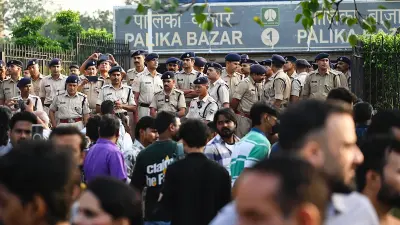
In a significant administrative move, Delhi Chief Minister Rekha Gupta has recommended the transfer of 39 doctors currently serving in Tihar and Mandoli jails. The decision, announced on Friday, is aimed at improving healthcare services and streamlining resource management within the capital's prison system.
Why the transfer of 39 doctors from Tihar and Mandoli jails matters
The transfer affects medical staff at two of India's largest prison complexes — Tihar Jail, one of the most overcrowded prisons in the country, and Mandoli Jail, which houses thousands of inmates. The move signals a shift in how the Delhi government views healthcare delivery behind bars, where access to timely medical attention has long been a concern.
What the Delhi CM's recommendation entails
According to official sources, the recommendation covers doctors across various specialities currently posted at Tihar and Mandoli jails. The Chief Minister's office has forwarded the proposal to the health and prison departments for further action. The doctors are expected to be reassigned to other government healthcare facilities in Delhi, though the exact timeline remains unclear.
Background: Healthcare challenges in Delhi's prisons
Tihar Jail, with a sanctioned capacity of around 5,200 inmates, often holds over 18,000 prisoners, leading to severe overcrowding. Mandoli Jail faces similar pressures. In such conditions, access to quality healthcare becomes a critical issue. Reports of delayed treatment, shortage of specialist doctors, and inadequate medical infrastructure have surfaced over the years. The transfer of 39 doctors is seen as part of a broader effort to address these systemic gaps.
Who is affected by the doctor transfers
The primary impact will be on inmates who rely on these doctors for routine check-ups, emergency care, and management of chronic illnesses like tuberculosis, HIV, and mental health conditions. Prison staff and their families, who also use these medical facilities, may also be affected. The reassignment could temporarily strain healthcare services until new postings are made.
Official response from the Delhi government
While the Chief Minister's office has not issued a detailed statement, sources indicate that the recommendation is part of a routine administrative reshuffle aimed at optimizing human resources. "The move is intended to ensure that medical professionals are deployed where they are most needed," a government official said, speaking on condition of anonymity.
Analysis: What this means for prison reforms in Delhi
The transfer of doctors from Tihar and Mandoli jails comes at a time when the Delhi government is under scrutiny over prison conditions. Human rights organizations and judicial bodies have repeatedly flagged issues of overcrowding, inadequate healthcare, and poor sanitation. This administrative step, while limited in scope, signals a willingness to address at least one aspect of the problem — medical staffing.
Confirmed facts vs what remains unclear
Confirmed: Delhi CM Rekha Gupta has recommended the transfer of 39 doctors from Tihar and Mandoli jails. The recommendation has been sent to relevant departments. The stated aim is to improve healthcare services and resource management.
Unclear: The exact list of doctors being transferred, their specialities, the timeline for implementation, and whether replacements will be posted immediately. It is also unclear if this is a one-time move or part of a larger, ongoing reform process.
Risks and concerns surrounding the transfer
Critics argue that transferring doctors without ensuring adequate replacements could worsen healthcare access for inmates. "Prison medical facilities are already stretched thin. Removing 39 doctors without a clear plan for backfill could create a vacuum," said a former prison official. Others point out that the move, if not accompanied by infrastructure improvements, may have limited impact on overall healthcare quality.
Wider trend: Administrative reshuffles in Delhi's healthcare system
This is not an isolated move. The Delhi government has been undertaking a series of administrative changes across its healthcare departments, including transfers of doctors from city hospitals and primary health centres. The pattern suggests a broader effort to redistribute medical staff based on workload and need, though critics say such moves often lack transparency and long-term planning.
What should inmates and their families know
For families of inmates, the immediate concern is continuity of care. If a family member is undergoing treatment for a chronic condition, it is advisable to check with the prison medical officer about any changes in doctor availability. Inmates can also approach the prison administration or legal aid cells if they face disruptions in medical services.
What happens next
The recommendation now awaits approval and implementation by the Delhi health department and the prison administration. If executed, the doctors will be reassigned to other government facilities. The government may also announce new postings to fill the vacancies. Observers will be watching to see if this move is followed by broader reforms in prison healthcare infrastructure.
Our Take
The transfer of 39 doctors from Tihar and Mandoli jails is a small but significant administrative step. It reflects an acknowledgment that prison healthcare needs attention. However, the real test will be in execution — whether replacements are timely, whether the transferred doctors are deployed effectively, and whether this leads to systemic improvements. Without a comprehensive plan addressing overcrowding, infrastructure, and specialist shortages, the impact may remain limited. For now, it is a move in the right direction, but much more is needed.
Frequently Asked Questions
Why did Delhi CM recommend transferring doctors from Tihar and Mandoli jails?
The recommendation aims to improve healthcare services and optimize resource management within Delhi's prison system. The move is part of an administrative reshuffle to deploy medical staff where they are most needed.
How many doctors are being transferred?
A total of 39 doctors currently serving in Tihar and Mandoli jails are being recommended for transfer.
Will this affect healthcare for inmates?
There is a potential for temporary disruption in healthcare services until new postings are made. Inmates and their families are advised to stay in touch with prison medical officers for updates.
Is this part of a larger prison reform effort?
While the move signals attention to prison healthcare, it is not yet clear if it is part of a broader reform package. Observers are watching for further steps addressing overcrowding and infrastructure.