The IPL is a league where reputations are made and broken in a matter of weeks. But this season, a different kind of scorecard has emerged — one that doesn't track runs or wickets, but the gap between massive paychecks and on-field returns.
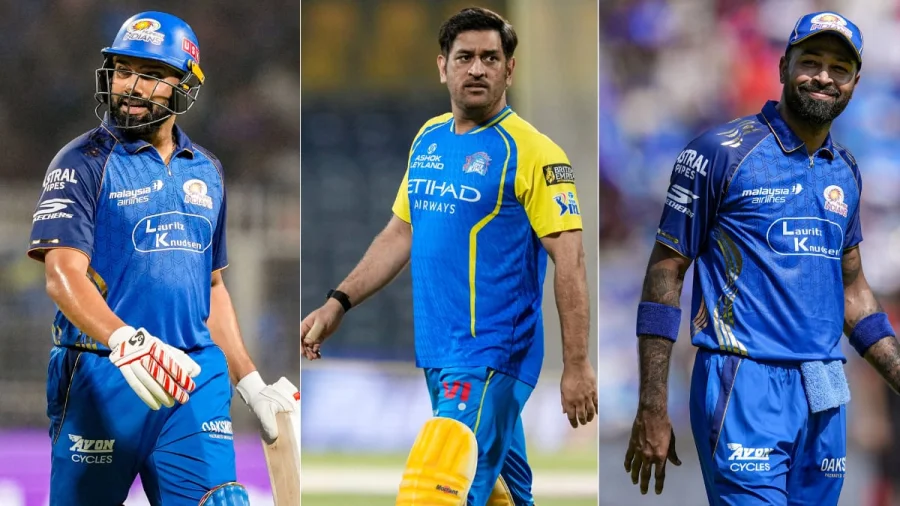
A viral social media compilation, aggregating fan sentiment and performance data, has named a 'Scam Playing XI' — a lineup of the most expensive underperformers of the season. And the list features some of the biggest names in Indian cricket: MS Dhoni, Rohit Sharma, and Hardik Pandya.
The post has ignited a firestorm of debate, forcing fans and analysts to confront an uncomfortable question: Are franchises getting value for their crores, or are some of the game's biggest stars coasting on reputation?
Who Made the Viral 'Scam Playing XI'?
The list, which has been widely shared on platforms like Instagram and X (formerly Twitter), doesn't just name names — it attaches price tags to poor performances. While the exact composition varies slightly across different versions, a consistent core of high-profile players has emerged.
Chennai Super Kings skipper Ruturaj Gaikwad sits prominently within this criticism. Despite being a franchise cornerstone, his returns this season have been scrutinized against his retention fee. But the biggest shock for fans is seeing the legendary MS Dhoni included. While Dhoni's value to CSK extends far beyond his batting statistics — his captaincy and mentorship are priceless — the list focuses purely on runs scored versus salary earned.
Rohit Sharma, the former Mumbai Indians captain and India's World Cup-winning leader, also finds a place. His struggle for consistent form throughout the tournament has been a talking point, and the viral list amplifies that narrative by highlighting his high retention cost. Hardik Pandya, who returned to MI amid much fanfare and a leadership role, has also been flagged for failing to deliver the all-round performances expected of a marquee player.
Why This Matters Right Now
This isn't just a fan-made joke. The 'Scam Playing XI' taps into a growing frustration among IPL audiences who are increasingly data-savvy and value-conscious. In an era where every rupee is accounted for, the disconnect between salary and performance feels more glaring than ever.
The emotional core of this debate is about fairness and expectation. When a bargain-buy player like a young uncapped star outperforms a multi-crore superstar, it raises questions about franchise strategy, player motivation, and the sheer economics of the league. For the average fan, it feels like a betrayal of trust — hence the word "scam."
This matters because the IPL's financial model relies on the belief that high prices guarantee high performance. If that belief erodes, it could impact future auctions, retention strategies, and even fan loyalty.
How the Situation Developed
The viral list didn't emerge from a single source. It appears to be an aggregation of multiple social media posts and fan compilations that gained momentum as the IPL season progressed. The original story notes that while bargain-buy assets "consistently punched above their weight," an expensive group of heavyweights "completely failed to justify their massive franchise retention salaries."
One Instagram post from a cricket analysis page, titled "DAILY IPL AWARDS: (1) FRAUD: Ishan Kishan 15.25cr, 190 runs in 13...", explicitly named players like Ishan Kishan alongside Virat Kohli, MS Dhoni, Hardik Pandya, Shubman Gill, and Abhishek Sharma. This post, which has been widely shared, uses the term "fraud" to describe the performance-to-salary ratio.
Another post, with the caption "Dhoni & ROHIT scammed her own fans," further fueled the fire, suggesting that even the most beloved stars are not immune to criticism when results don't match expectations.
Who Is Affected and What Officials Are Saying
The primary individuals affected are the players themselves, whose public image and brand value are directly tied to their on-field performance. For stars like Dhoni and Rohit, who have built decades of goodwill, a single season of underperformance is unlikely to cause lasting damage. But for players like Hardik Pandya and Ishan Kishan, who are still building their legacies, the "scam" label could have a more tangible impact on future contracts and endorsements.
Franchise officials have largely remained silent on the viral list, likely viewing it as a fan-driven narrative rather than a serious critique. However, behind closed doors, franchise think-tanks are undoubtedly analyzing the data. The IPL is a business, and underperformance at a high cost is a problem that needs solving.
Fans, meanwhile, are deeply divided. Some agree with the list, pointing to specific matches where these stars failed to deliver under pressure. Others defend the players, arguing that cricket is a team sport and that a few bad games don't erase a player's overall contribution or legacy.
What We Know So Far — and What Remains Unclear
What we know:
- A viral social media compilation called the 'Scam Playing XI' exists and has been widely shared.
- The list includes MS Dhoni, Rohit Sharma, Hardik Pandya, Ruturaj Gaikwad, and Ishan Kishan, among others.
- The core criticism is that these players earned high salaries but produced low returns in terms of runs or wickets.
- The list has sparked a major debate among fans and analysts.
What remains unclear:
- The exact, definitive version of the list — different posts include slightly different players.
- Whether any franchise has officially responded to the criticism.
- How much of this sentiment will carry over into the next IPL auction or retention cycle.
Risks, Concerns, and the Balanced View
The biggest risk here is the oversimplification of value. A player's worth to a franchise is not just about runs scored. MS Dhoni's captaincy, wicketkeeping, and ability to mentor young players are intangible assets that don't show up on a batting average sheet. Similarly, Rohit Sharma's leadership and experience are invaluable in a high-pressure tournament.
Critics of the 'Scam Playing XI' argue that it's a reductive and unfair take. "You can't call Dhoni a scam," one fan wrote. "He's won CSK multiple titles. One bad season doesn't change that."
On the other hand, supporters of the list point out that the IPL is a professional league where results matter. "If you're paid 15 crores, you need to perform like a 15-crore player," another fan argued. "It's that simple."
The balanced view is that while the list is provocative and taps into a real frustration, it should be taken with a grain of salt. It's a fan-driven narrative, not an official audit. But it does highlight a genuine tension in the IPL's economics.
Why Similar Trends Are Increasing
This isn't an isolated incident. In recent years, social media has become a powerful tool for fans to hold players and franchises accountable. The rise of data analytics has made it easier than ever to quantify performance and compare it to salary.
Similar "scam" or "fraud" lists have gone viral in other sports leagues, including the English Premier League and the NBA. The trend reflects a broader cultural shift toward value-consciousness among fans, who are increasingly demanding that their entertainment dollars (or rupees) translate into tangible results.
"DAILY IPL AWARDS: (1) FRAUD: Ishan Kishan 15.25cr, 190 runs in 13..." — Viral Instagram Post
What Fans and Investors Should Know Now
For fans, the key takeaway is to enjoy the debate but avoid getting caught up in the outrage. The 'Scam Playing XI' is a conversation starter, not a final verdict. Players like Dhoni and Rohit have earned the right to a bad season through years of excellence.
For investors and franchise owners, the list is a warning signal. The data suggests that fans are paying attention to value for money. Franchises that consistently overpay for underperformance risk alienating their fan base and damaging their brand.
For the players themselves, the message is clear: in the age of social media, every run and every wicket is being tracked, analyzed, and compared to your salary. The pressure to perform is higher than ever.
What Could Happen Next
The 'Scam Playing XI' is unlikely to disappear overnight. As the IPL season winds down, expect more such lists to emerge, potentially with more data and analysis. Some players on the list may use the criticism as motivation to bounce back stronger next season.
Franchises may also rethink their retention strategies. The days of blindly retaining big names based on reputation may be numbered. In the future, we could see more data-driven decisions, with a greater emphasis on recent form and value for money.
The biggest unknown is how the players themselves will respond. Will they address the criticism publicly, or let their performances do the talking? Either way, the conversation about value in the IPL is far from over.
Our Take: Why This Story Matters Beyond One Incident
The 'Scam Playing XI' is more than just a viral meme. It's a reflection of a deeper shift in how fans consume and critique sports. In an era of transparency and data, the gap between expectation and reality is under a microscope like never before.
While we don't endorse the harsh "scam" label, we recognize the underlying sentiment. Fans invest emotionally and financially in the IPL. They deserve to see their favorite players give their best. When that doesn't happen, the frustration is real.
This story matters because it forces us to ask hard questions about value, loyalty, and performance in professional sports. And those questions don't have easy answers.
FAQs
Who is in the viral 'Scam Playing XI' list?
The list primarily includes MS Dhoni, Rohit Sharma, Hardik Pandya, Ruturaj Gaikwad, and Ishan Kishan. The exact composition varies slightly across different social media posts, but these names appear consistently as high-salary, low-performance players.
Why are MS Dhoni and Rohit Sharma called a 'scam' in this list?
The list focuses purely on the ratio of salary to on-field performance (runs scored). Critics argue that despite earning massive retention fees, their batting returns this season did not justify the cost. However, supporters point out that their leadership and intangible contributions are not captured in the data.
Is the 'Scam Playing XI' an official IPL ranking?
No. The list is a fan-generated compilation that went viral on social media platforms like Instagram and X (Twitter). It is not an official ranking or analysis from the IPL, any franchise, or any cricket board.
What does this viral list mean for the future of IPL auctions?
It highlights a growing fan awareness of value for money. Franchises may face increased pressure to justify high retention costs with strong performances. This could lead to more data-driven and performance-based retention strategies in future seasons.