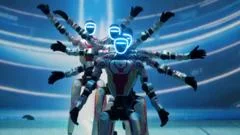
The first time you see a humanoid robot nail a K-pop dance move, it is hard not to pause. At Galaxy Robot Park in South Korea, that moment is the entire pitch. Spanning 16,500 square meters, this new venue is not just a museum of machines; it is a working experiment in whether robots can carry an entire entertainment experience. For an industry built on human spectacle, the question is no longer theoretical.
A 16,500-Square-Meter Bet on Mechanical Stars
Galaxy Robot Park is designed as a dedicated space where humanoid robots take center stage. The headline attraction involves robots performing synchronized dance routines to popular K-pop tracks, a fusion of South Korea's two most prominent cultural exports: pop music and advanced technology. The scale of the venue suggests this is not a small tech demo but a serious commercial venture aimed at drawing crowds.
Why Theme Park Giants Are Watching This Experiment Closely
For global entertainment conglomerates, labor costs, show consistency, and the ability to refresh content quickly are constant pressures. Robots offer a tantalizing solution: they do not tire, they do not require rehearsal time for new choreography, and they can be reprogrammed overnight to feature the latest viral song. If Galaxy Robot Park proves that audiences will pay for this experience, it could accelerate investment in automation across the sector.
From Mechanical Rides to Performers: The Evolution of Park Tech
Theme parks have used animatronics for decades, but those figures are typically static or limited to simple, repetitive motions. The leap here is the use of full humanoid robots capable of complex, dynamic movement. This represents a shift from robots as background props to robots as primary performers, a distinction that changes the creative and operational calculus for park designers.
What This Means for Visitors Seeking Human Connection
Entertainment is an emotional transaction. A large part of the magic of live shows comes from the knowledge that a human is executing a difficult routine. While a robot's precision is impressive, it lacks the spontaneity and vulnerability of a human performer. The core challenge for Galaxy Robot Park is sustaining visitor interest after the initial "wow" factor fades. Will audiences return for a show that is technically perfect but emotionally neutral?
South Korea's Robotics Push Meets Its Pop Culture Engine
South Korea has heavily invested in robotics as a pillar of its future economy, while K-pop remains its most powerful soft-power asset. Galaxy Robot Park sits at the intersection of these two national priorities. The park functions as a public showcase for domestic robotics capabilities, potentially serving a dual purpose of entertainment and national technological promotion.
Beyond the Novelty: The Economics of Automated Attractions
The business case for robot performers hinges on long-term operational costs. While the upfront investment in humanoid robots is significant, the ongoing costs of maintenance and electricity may eventually undercut the salaries, benefits, and scheduling complexities of a human cast. However, the technology is still evolving, and the cost of repairs for advanced robotics can be unpredictable, making the financial outlook less certain than it first appears.
Confirmed Details vs. What Remains Unknown
What is confirmed is the venue's existence, its size, and its core concept of K-pop dancing humanoids. What remains unclear is the park's attendance figures, ticket pricing strategy, and visitor satisfaction levels. There is no public data yet on whether this is a profitable venture or a loss-leading showcase. Reports of the park's daily operations are limited, and independent reviews are scarce.
Why Galaxy Robot Park's Technology Matters Beyond the Show
The robotics used here are not just for entertainment. The technology required to make a humanoid robot move gracefully to music—balancing, coordinating limbs, and syncing to audio cues—has applications in healthcare, elder care, and logistics. The park serves as a real-world testing ground for these complex systems, generating data that could improve robotics across other industries.
The Risks of a Robot-Led Entertainment Model
Critics may argue that this approach prioritizes technological spectacle over artistic expression. There is also the risk of technical failures disrupting shows, leading to visitor disappointment. Furthermore, the concept raises questions about the future of employment in the entertainment sector. If robot performers become the norm, what happens to the dancers, actors, and stunt performers who currently populate theme park stages?
A Global Shift Toward Automated Experiences
Galaxy Robot Park is part of a broader trend of automation entering consumer-facing entertainment. From robotic bartenders to AI-driven interactive attractions, the industry is gradually testing the boundaries of what can be automated. This park is one of the most visible examples of robots taking on a central performance role, potentially setting a precedent for parks in other countries.
What Visitors and Industry Watchers Should Look For Next
For those planning a visit, the key is to manage expectations: this is a glimpse of a potential future, not a fully mature entertainment format. For industry analysts, the metrics to watch are repeat visitation rates and the park's ability to refresh its robot programming. If Galaxy Robot Park can demonstrate sustained interest, it will validate the concept; if attendance drops after the initial buzz, it will serve as a cautionary tale.
The Road Ahead for Robot Entertainment
The next few years will be critical for Galaxy Robot Park. Success will likely depend on the park's ability to integrate robots with other forms of entertainment, such as human performers or interactive elements, rather than relying solely on the machines. The future is not necessarily a choice between humans and robots, but rather a question of how they can coexist to create richer experiences.
Our Take
Galaxy Robot Park is a fascinating proof of concept, but it is not yet proof of a revolution. The technology is impressive, and the cultural timing in South Korea is perfect. However, the theme park industry is ultimately about creating lasting emotional memories. Robots can deliver precision, but they cannot yet deliver the soul of a live performance. This park is a bold experiment worth watching, but its long-term impact will depend on whether it can move beyond being a technological curiosity to become a sustainable entertainment destination.
Frequently Asked Questions
What is Galaxy Robot Park?
Galaxy Robot Park is a 16,500-square-meter entertainment venue in South Korea that features humanoid robots as its primary attractions, including performances where robots dance to K-pop music.
Are robots replacing human performers at theme parks?
Not yet on a large scale. Galaxy Robot Park is an early experiment in using humanoid robots as central performers. While it may influence future trends, most theme parks worldwide still rely heavily on human talent for shows and entertainment.
Why is South Korea opening a robot theme park?
The park combines South Korea's leadership in robotics technology with its global cultural influence through K-pop. It serves as both a commercial entertainment venture and a showcase for the country's advanced robotics capabilities.
Could this concept work in other countries?
The concept could translate internationally, but success would depend on adapting the robot performances to local cultural preferences. The technology is transferable, but the entertainment value will vary based on how well it connects with different audiences.