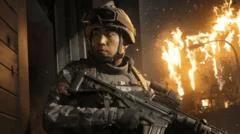
The next Call of Duty game is already generating headlines—not for its gameplay, but for its setting. Developer Infinity Ward has confirmed that the upcoming title, widely believed to be Call of Duty: Modern Warfare 4, will depict a fictional North Korean invasion of South Korea. The studio says the game will be "grounded in the military authenticity" the series is known for. But that promise has sparked a debate that goes far beyond the usual pre-release hype.
What Infinity Ward Has Said About the Setting
Infinity Ward has been clear about its creative direction. The developer stated the game will be "grounded in the military authenticity" that has defined the Modern Warfare series. This suggests a narrative that aims for realism, drawing on real-world military tactics, technology, and geopolitical tensions. The goal, it seems, is to create a story that feels plausible and urgent.
Why This Matters Right Now
The Korean Peninsula remains one of the most volatile flashpoints in the world. A fictional invasion of South Korea by the North is not a historical scenario—it is a live, ongoing fear for millions of people. Turning that fear into a blockbuster video game raises uncomfortable questions. Is it entertainment, or is it exploitation? For South Koreans, who live with the reality of this threat, the game’s premise may feel less like fiction and more like a nightmare repackaged for profit.
How the Situation Developed
The controversy began when reports emerged about the game’s narrative focus. The Call of Duty franchise has never shied away from controversial settings—earlier games have depicted conflicts in the Middle East, Russia, and even a fictional war on US soil. However, a North Korean invasion of South Korea is a scenario that feels uniquely current. The reaction has been swift, with critics and fans alike questioning the timing and the ethics of the choice.
Who Is Affected and What Officials Are Saying
While no official government response has been reported, the gaming community and geopolitical analysts have weighed in. For South Korean players, the setting is deeply personal. Many have expressed discomfort on social media, arguing that the game trivializes a very real threat. On the other hand, some fans defend the choice, pointing out that Call of Duty has always been a work of fiction and that exploring "what if" scenarios is part of its appeal.
What We Know So Far — and What Remains Unclear
What is confirmed: Infinity Ward is developing a Call of Duty game set during a fictional North Korean invasion. The studio has committed to "military authenticity." What remains unclear is the exact tone of the narrative. Will the game treat the conflict with the gravity it deserves, or will it fall into the trap of jingoistic spectacle? The full story, gameplay details, and release date have not yet been announced.
Risks, Concerns, and the Balanced View
The primary risk is alienating a significant portion of the player base. For many, the setting will feel exploitative. There is also the risk of backlash from media and political commentators who may accuse the game of insensitivity. On the other hand, Call of Duty has a long history of handling controversial settings. The Modern Warfare series, in particular, has been praised for its mature storytelling. If Infinity Ward delivers a narrative that respects the gravity of the subject, the controversy could fade.
Why Similar Trends Are Increasing
Video games are increasingly borrowing from real-world geopolitics to create compelling narratives. As the medium matures, developers are moving away from purely fantastical settings and toward grounded, realistic conflicts. This trend mirrors what we see in film and television, where shows like The Diplomat and Homeland have found success by dramatizing real-world tensions. The challenge is balancing entertainment with responsibility.
- Real-world geopolitical tensions are becoming a common source of inspiration for game narratives.
- Developers are under pressure to deliver "authentic" experiences that resonate with modern audiences.
- The line between respectful storytelling and exploitation is becoming increasingly difficult to navigate.
"Grounded in the military authenticity the series is known for." — Infinity Ward
What Readers, Users, or Investors Should Know Now
For now, the game is still in development. The controversy is likely to intensify as more details emerge. Players who are concerned about the setting should pay close attention to the narrative direction Infinity Ward chooses. If the game treats the conflict with the seriousness it deserves, it could be a powerful piece of interactive storytelling. If it does not, the backlash could be significant. Investors should watch for public sentiment, as controversy can impact sales.
What Could Happen Next
Expect more details to emerge in the coming months, likely at major gaming events. Infinity Ward may release a trailer or a developer diary that clarifies the game’s tone. If the studio handles the narrative well, the controversy may subside. If not, the debate could escalate, potentially leading to calls for boycotts or changes to the game’s content.
Our Take: Why This Story Matters Beyond One Incident
This controversy is not just about one video game. It is about the responsibility of storytellers in an era of heightened global tension. Call of Duty is one of the most popular entertainment franchises in the world. What it chooses to depict matters. The game’s setting forces us to ask: where is the line between exploring a difficult subject and exploiting it for profit? Infinity Ward has a chance to prove that a blockbuster game can handle a serious topic with maturity. Whether it succeeds or fails will set a precedent for the entire industry.
FAQs
Is the next Call of Duty game really about a North Korean invasion?
Yes. Developer Infinity Ward has confirmed that the next game, widely believed to be Call of Duty: Modern Warfare 4, will be set during a fictional North Korean invasion of South Korea. The studio says the game will be "grounded in military authenticity."
Why is the North Korean invasion setting controversial?
The Korean Peninsula is a real-world geopolitical flashpoint. For South Koreans, the threat of a North Korean invasion is a live, ongoing fear. Critics argue that turning that fear into a video game is exploitative and insensitive, while others defend it as a fictional "what if" scenario.
Has Call of Duty used controversial settings before?
Yes. The franchise has previously depicted conflicts in the Middle East, Russia, and a fictional war on US soil. The Modern Warfare series, in particular, has a history of tackling mature and controversial themes, often with a focus on realism.
What does "military authenticity" mean for the game?
Infinity Ward has stated the game will be "grounded in the military authenticity" the series is known for. This likely means realistic weapons, tactics, and technology, as well as a narrative that aims to feel plausible. The exact tone of the story has not yet been revealed.