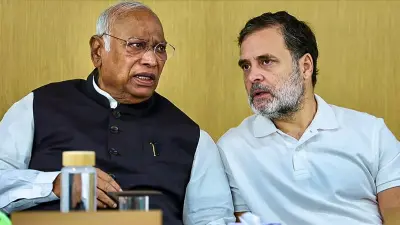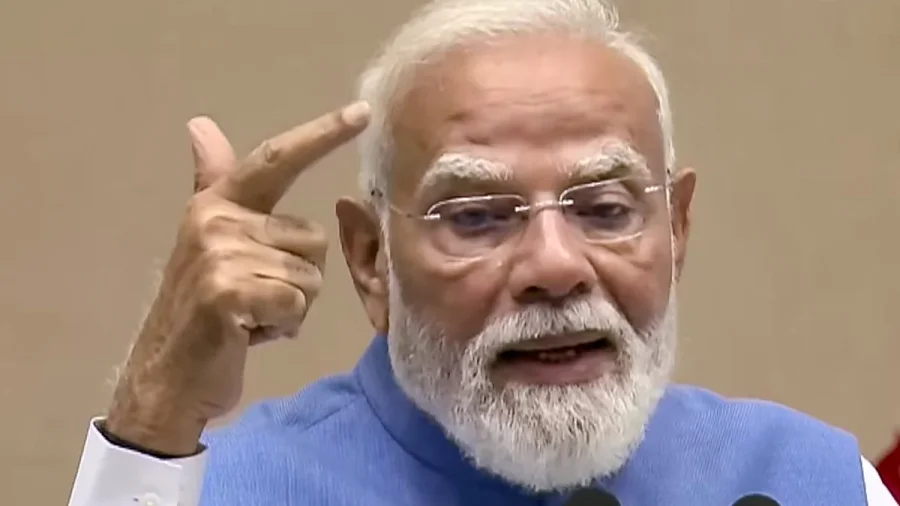
The Congress party on Tuesday delivered a sharp warning to Prime Minister Narendra Modi: stop “appeasing” US President Donald Trump and do not sign a trade deal that hurts India. With US Trade Representative Jamieson Greer arriving in New Delhi for crucial negotiations, the opposition’s message was clear — India must not be “bamboozled” into an agreement that overwhelmingly favours Washington.
Jairam Ramesh’s warning: ‘No need to rush’
Congress general secretary Jairam Ramesh took to X to accuse the Prime Minister of prioritising his personal equation with Trump over national interest. “PM Modi must stop appeasing his good friend President Trump. There is absolutely no need for India to be bamboozled into signing any trade agreement that does not adequately safeguard our national interests,” Ramesh wrote.
Why the Congress says this deal could hurt India
Ramesh warned that the proposed trade pact could inflict “significant damage” on Indian farmers and domestic industries. He argued that the agreement offers little certainty in return for major concessions. The criticism comes at a time when Greer’s visit signals that both sides are moving closer to a final text, raising the stakes for Indian agriculture and manufacturing sectors.
Timeline of the India-US trade talks
Negotiations for a bilateral trade deal have been underway since Trump returned to office. India has sought to reduce tariffs on American goods in exchange for better market access for its products. However, critics say the US has pushed for disproportionate concessions, especially on agricultural tariffs and intellectual property rules. Greer’s arrival marks a critical phase in these talks.
Who stands to lose if the deal goes through as proposed
Indian farmers, particularly those in dairy, poultry, and horticulture, fear that lower tariffs on US imports could flood the market with subsidised American produce. Small-scale manufacturers also worry about competition from US firms. The Congress has positioned itself as the defender of these vulnerable groups, accusing the government of selling out for diplomatic optics.
Government’s stance and official response
The Modi government has not yet responded directly to Ramesh’s allegations. However, officials have previously stated that any trade deal will be “mutually beneficial” and will protect Indian interests. The Ministry of Commerce has emphasised that negotiations are ongoing and that no final agreement has been reached.
What the criticism reveals about the political stakes
The Congress attack is not just about trade — it is a broader political challenge to Modi’s foreign policy approach. By framing the deal as “Trump-nirbharta” (dependence on Trump), the opposition is tapping into a narrative of sovereignty and self-reliance. This resonates with voters who are wary of India being seen as a junior partner in its relationship with the US.
Confirmed facts vs what remains unclear
Confirmed: Jairam Ramesh posted the warning on X. Confirmed: US Trade Representative Jamieson Greer is arriving in India for trade talks. Unclear: The exact terms of the proposed deal. Unclear: Whether the government has already made concessions on key issues like agricultural tariffs. All speculation about specific deal points should be treated as unconfirmed.
Why the US-India trade relationship matters beyond the deal
India and the US have deepened strategic ties over the past decade, but trade has remained a friction point. Trump has long criticised India’s high tariffs, calling it the “tariff king.” A deal would signal a thaw, but a bad deal could damage India’s domestic economy and political stability. The Congress argument is that diplomatic goodwill should not come at the cost of economic sovereignty.
Risks and balanced view: Is the Congress overreacting?
Supporters of the government argue that the Congress is playing politics and that any deal will be carefully negotiated. They point out that India has successfully resisted US pressure on issues like data localisation and pharmaceutical patents in the past. However, critics counter that Trump’s aggressive negotiating style and Modi’s personal rapport with him could lead to a lopsided agreement. The truth likely lies somewhere in between — the deal may bring some benefits but also carries real risks for specific sectors.
Wider trend: Opposition parties challenging Modi’s foreign policy
The Congress is not alone in questioning the government’s approach. Other opposition parties have also raised concerns about the trade deal, reflecting a broader unease about India’s growing dependence on the US. This marks a shift from the earlier consensus on India-US ties, with domestic politics now influencing foreign policy debates.
What farmers, businesses, and citizens should watch for
Farmers’ groups should monitor any announcements on tariff reductions for agricultural products. Small business owners in manufacturing should track changes to intellectual property rules and market access. Citizens should look for independent analysis of the deal’s impact on prices and jobs. The Congress has urged the government to release the full text of any agreement for public scrutiny.
What happens next in the trade talks
Greer’s visit is expected to last several days, with both sides aiming to finalise a framework. If an agreement is reached, it will likely be announced during a high-level meeting between Modi and Trump. However, if the Congress’s criticism gains traction, the government may face domestic pressure to delay or modify the deal. The next few weeks will be critical.
Our Take
The Congress’s warning is politically motivated, but it raises a legitimate question: should India rush into a trade deal with the US without full transparency? The answer is no. Trade agreements have long-term consequences for farmers, workers, and industries. The government owes it to the public to explain exactly what is being negotiated and why. Whether the Congress’s criticism is genuine or opportunistic, it has forced a necessary debate about sovereignty and economic self-interest.
Frequently Asked Questions
Why is the Congress opposing the India-US trade deal?
The Congress says the deal overwhelmingly favours the US and could hurt Indian farmers and industries. Leader Jairam Ramesh accused PM Modi of “appeasing” President Trump and warned against rushing into an agreement without adequate safeguards.
Who is Jamieson Greer and why is his visit important?
Jamieson Greer is the US Trade Representative. His arrival in India signals that both sides are moving closer to finalising a trade deal. His visit is a key step in the negotiation process.
What sectors could be affected by the trade deal?
Indian farmers, especially in dairy, poultry, and horticulture, could face competition from subsidised US imports. Small-scale manufacturers may also be impacted by lower tariffs on American goods.
Has the Indian government responded to the Congress’s criticism?
As of now, the government has not directly responded to Jairam Ramesh’s allegations. Officials have previously stated that any deal will be mutually beneficial and protect Indian interests.