Just hours after a building collapsed in Delhi's Saidulajab area, Chief Minister Rekha Gupta reached the site — and what she did next sent a clear message to every civic official in the city. She didn't just review rescue operations. She demanded accountability, questioned officials on the spot, and ordered strict action against those responsible. For residents living in fear of unsafe buildings, this wasn't just a political visit. It was a moment that could decide how seriously Delhi's administration takes their safety.
CM Rekha Gupta Visits Saidulajab Collapse Site, Orders Strict Action Against Officials
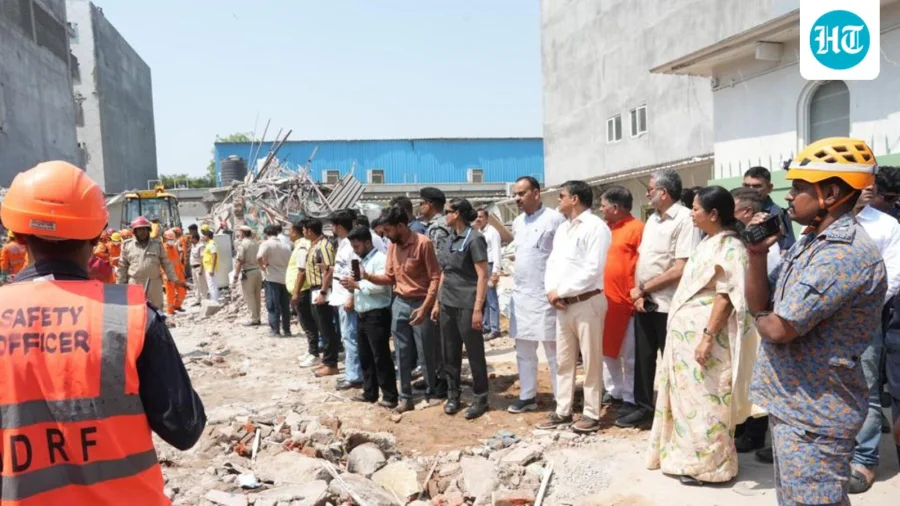
Delhi Chief Minister Rekha Gupta personally visited the Saidulajab building collapse site to review rescue operations and assess the damage. According to officials present, she reprimanded civic officers over alleged negligence and demanded immediate accountability. A criminal case has been registered, and a magisterial inquiry has been launched to investigate the incident. The CM also directed officials to inspect dilapidated and hazardous buildings in the vicinity and take strict action wherever necessary.
Why This Matters Right Now
This isn't just about one collapsed building. It's about thousands of families living in unsafe structures across Delhi, often with no clear authority taking responsibility. The CM's direct intervention signals a shift — from bureaucratic delays to on-ground accountability. For residents in Saidulajab and similar areas, this could mean faster action on dangerous buildings, stricter enforcement of safety norms, and a government that is watching. The emotional weight of this moment is clear: lives are at stake, and the administration is being forced to act.
How the Incident and Response Unfolded
The building collapse in Saidulajab triggered an immediate emergency response. Rescue teams rushed to the site to search for survivors and clear debris. Soon after, CM Rekha Gupta arrived, bypassing usual protocol to inspect the situation firsthand. Eyewitnesses say she questioned officials sharply about prior warnings, inspections, and why action wasn't taken earlier. Within hours, she ordered a magisterial inquiry and a criminal case against those found negligent. The message was unmistakable: negligence will not be tolerated.
Who Is Affected and What Officials Are Saying
The immediate victims are the families who lost homes, livelihoods, and possibly loved ones in the collapse. But the ripple effect extends to every resident living in similarly hazardous buildings across Delhi. Officials, speaking on condition of anonymity, admitted that many structures in the area had been flagged as unsafe but action was delayed due to bureaucratic red tape. The CM's intervention has now forced a review of these cases. "She made it clear that safety comes first," one official said. "No more excuses."
What We Know So Far — and What Remains Unclear
What we know: A building collapsed in Saidulajab. CM Rekha Gupta visited the site, ordered strict action, and launched a magisterial inquiry. A criminal case has been registered. Officials have been directed to inspect hazardous buildings in the area. What remains unclear: the exact cause of the collapse, the number of casualties or injuries, and whether prior warnings were ignored. The inquiry is expected to answer these questions, but for now, uncertainty lingers.
Risks, Concerns, and the Balanced View
While the CM's swift action is commendable, critics point out that similar promises have been made after past incidents — only to be forgotten once media attention fades. The real test will be whether the inspection drive leads to actual repairs or demolitions, and whether accountability translates into systemic change. There is also concern that focusing on one area may leave other vulnerable neighborhoods overlooked. The administration must ensure that this is not a one-off response but the beginning of a sustained crackdown on unsafe buildings across Delhi.
Why Similar Incidents and Concerns Are Growing
Delhi has seen multiple building collapses in recent years, often linked to illegal construction, poor maintenance, and lack of enforcement. Rapid urbanization, combined with weak regulatory oversight, has created a dangerous mix. The Saidulajab collapse is the latest reminder that without strict action, these tragedies will keep repeating. The CM's order for a structural audit of hazardous buildings is a step in the right direction, but experts say it must be backed by regular inspections, penalties for violators, and a transparent system for reporting unsafe structures.
- Multiple building collapses reported in Delhi over the past five years
- Illegal construction and poor maintenance are common factors
- CM's order includes inspection of all dilapidated buildings in the vicinity
"Ordered strict action against those responsible. A criminal case has been registered, a magisterial inquiry has been launched, and officials have been directed to inspect dilapidated and hazardous buildings." — CM Rekha Gupta's office
What Residents and Officials Should Know Now
For residents living in older or seemingly unsafe buildings: this is the time to report concerns to local authorities. The CM's directive means officials are under pressure to act. Document any visible structural issues, and file complaints with the municipal corporation or the CM's grievance portal. For officials: the message is clear — delays and negligence will no longer be overlooked. Proactive inspections and swift action are now expected.
What Could Happen Next
The magisterial inquiry will likely release its findings within weeks, potentially leading to further action against specific officials or contractors. The inspection drive could result in evacuation orders for the most dangerous buildings, followed by repairs or demolition. There is also a possibility that the government will announce a broader policy on unsafe structures, including stricter penalties for illegal construction and faster redressal for residents. However, the real outcome depends on sustained political will and administrative follow-through.
Our Take: Why This Story Matters Beyond One Incident
The Saidulajab collapse is not an isolated tragedy. It is a symptom of a larger failure in urban governance — where safety takes a backseat to convenience and profit. CM Rekha Gupta's swift response is encouraging, but it must be more than a photo opportunity. If her orders lead to real inspections, real accountability, and real change, this could be a turning point. If not, it will be just another headline forgotten until the next collapse. The people of Delhi deserve more than promises. They deserve safe homes.
FAQs
What did CM Rekha Gupta do after the Saidulajab building collapse?
CM Rekha Gupta visited the collapse site, ordered strict action against negligent officials, launched a magisterial inquiry, and directed inspections of hazardous buildings in the area.
What action has been taken against officials after the Saidulajab collapse?
A criminal case has been registered, and a magisterial inquiry has been launched. Officials have been reprimanded and directed to inspect dilapidated buildings immediately.
Why is the Saidulajab building collapse significant for Delhi residents?
It highlights the dangers of unsafe buildings and civic negligence. The CM's intervention could lead to stricter enforcement of safety norms and faster action on hazardous structures across Delhi.
What should residents do if they live in a hazardous building in Delhi?
Residents should document structural issues, file complaints with the municipal corporation or CM's grievance portal, and report concerns to local authorities while the inspection drive is underway.