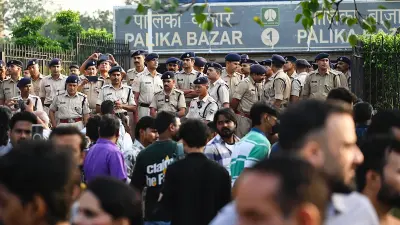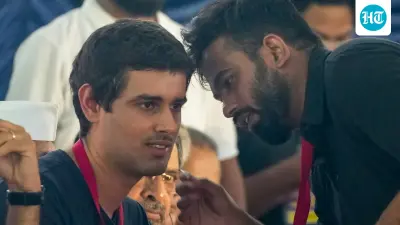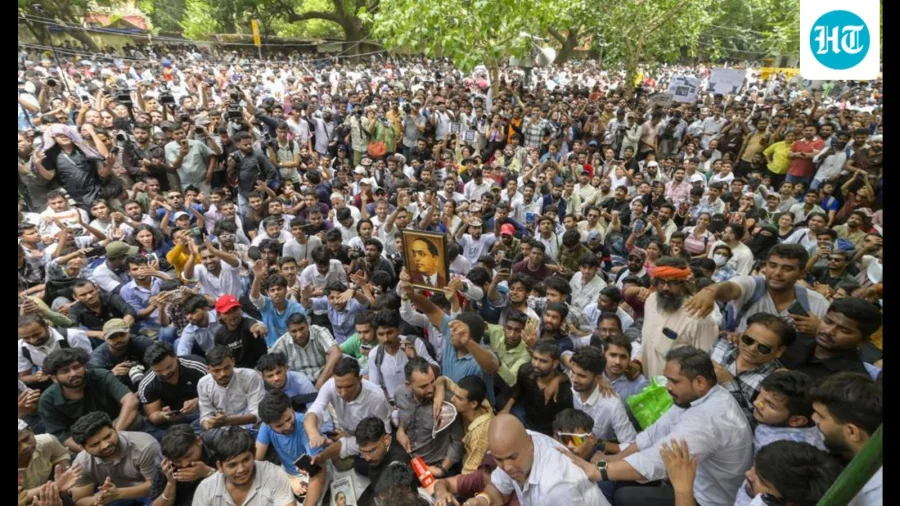
On a warm June morning at Delhi's historic Jantar Mantar, a small but determined group of students gathered, their placards bearing slogans that had first found life on social media. This was the moment the Cockroach Janta Party (CJP) — a satirical online political movement that had captured the imagination of India's disenchanted youth — stepped from the digital world into the physical. The demand was clear: action on NEET 2026 leaks and CBSE irregularities, and the resignation of the education minister.
From viral satire to real-world protest: The CJP's journey to Jantar Mantar
The CJP, founded by Abhijeet Dipke, went viral in May 2026 after controversial oral remarks by the Chief Justice of India sparked a wave of online satire. What began as a humorous critique of the education system quickly evolved into a serious platform for student grievances. The Jantar Mantar protest marked the movement's first attempt to convert its massive online following into tangible political pressure. "We have set a 7-day deadline for the government," Dipke told the crowd, his voice carrying the weight of a generation tired of broken promises.
Why students are taking to the streets: NEET leaks and CBSE irregularities
The protest is rooted in two major crises that have shaken India's education system. The NEET 2026 leaks — where question papers were allegedly compromised — have raised questions about the integrity of the country's most competitive medical entrance exam. Simultaneously, irregularities in CBSE board exams have left students and parents questioning the fairness of the system. For many protesters, these issues are not abstract; they represent lost opportunities, wasted years, and a system that seems rigged against honest effort. "We are not here for fun," said a student from Delhi University, holding a placard that read 'Stop the Leak, Save Our Future'. "We are here because no one else is listening."
Hopes and fears: The emotional landscape of the protest
The atmosphere at Jantar Mantar was a mix of hope and anxiety. For some students, the CJP represents a rare opportunity to hold the government accountable. "This is the first time I feel like my voice matters," said a Class 12 student who had traveled from Ghaziabad. But others expressed fear — fear of police action, fear of being labeled troublemakers, and fear that the movement might fizzle out without achieving anything. "We have seen protests before. They come, they go, and nothing changes," said a young woman from a coaching institute in Kota. "But maybe this time is different. Maybe the online energy can translate into real change."
Official response and the 7-day ultimatum
The CJP has given the government a 7-day deadline to respond to its demands, which include a thorough investigation into the NEET leaks, a review of CBSE examination processes, and the resignation of the education minister. If no action is taken, the movement has threatened to escalate into a pan-India agitation. As of now, there has been no official statement from the Ministry of Education or the Prime Minister's Office. The silence from the government has only fueled the protesters' resolve. "They think we will get tired and go home," Dipke said. "But we are not going anywhere. This is just the beginning."
What the CJP movement reveals about India's education crisis
The CJP's rapid rise from a satirical online meme to a ground protest is a symptom of a deeper crisis. India's education system, long plagued by corruption, bureaucratic inertia, and a focus on rote learning, has left students feeling powerless. The NEET and CBSE scandals are not isolated incidents; they are part of a pattern where the system fails its most vulnerable stakeholders — the students. The CJP, despite its satirical origins, has tapped into a genuine reservoir of anger and frustration. "This is not about a party or a leader," said a political analyst watching the protest. "This is about a generation that has lost faith in the institutions that are supposed to serve them."
Confirmed facts vs what remains unclear
Confirmed: The CJP protest took place at Jantar Mantar on June 6, 2026. The movement demands action on NEET 2026 leaks and CBSE irregularities, and calls for the education minister's resignation. A 7-day deadline has been set. The founder is Abhijeet Dipke. Unclear: The exact number of protesters remains unverified, with reports describing turnout as "limited." The government's response — or lack thereof — is still unfolding. The long-term impact of the movement on policy is uncertain. Speculation: Some observers suggest the CJP could evolve into a more formal political entity, but this has not been confirmed by the movement's leaders.
Risks and balanced view: Can satire sustain real-world activism?
While the CJP has captured public imagination, critics question whether a movement born from satire can sustain the discipline and organization needed for long-term political change. "Satire is great for raising awareness, but it is not a strategy," said a political commentator. "The real test will be whether they can convert this energy into concrete policy demands and sustained pressure." There are also concerns about the movement's lack of a formal structure, which could make it vulnerable to infiltration or co-option. Supporters, however, argue that the CJP's very informality is its strength — it is a movement of the people, by the people, free from the baggage of traditional politics.
Wider trend: The rise of online-to-offline student movements in India
The CJP protest is part of a broader trend of student movements that begin online and move to the streets. From the anti-CAA protests to the farmers' agitation, social media has become a powerful tool for mobilization. What makes the CJP unique is its satirical origin — it started as a joke, but the issues it addresses are deadly serious. This blend of humor and anger is a hallmark of Gen Z activism, where memes and protests coexist. "We are not your typical protesters," said a student volunteer. "We laugh, but we are also furious. And that combination is powerful."
Practical guidance for students and parents
For students and parents concerned about the NEET and CBSE irregularities, experts recommend staying informed through official channels. The National Testing Agency (NTA) and CBSE have helplines and websites for updates. Students affected by the leaks should document their concerns and file formal complaints. For those inspired by the CJP movement, participating in peaceful protests is a constitutional right, but it is important to be aware of legal boundaries and safety precautions. "Your voice matters, but so does your safety," said a legal expert. "Protest responsibly."
Future outlook: What happens after the 7-day deadline?
The next week will be critical for the CJP movement. If the government responds positively, it could set a precedent for student-led activism in India. If not, the movement faces a choice: escalate or fade. The CJP has threatened a pan-India agitation, but organizing such a large-scale protest requires resources and coordination that the movement currently lacks. "The next seven days will define whether the CJP is a flash in the pan or a genuine force for change," said a political analyst. "Either way, the conversation about education reform in India has been permanently altered."
Our take
The CJP protest at Jantar Mantar is more than a news event; it is a mirror reflecting the deep disillusionment of India's youth with an education system that often feels rigged against them. The movement's satirical origins should not diminish the seriousness of its demands. Whether or not the CJP succeeds in its immediate goals, it has already achieved something significant: it has given a voice to students who felt unheard. The challenge now is for the government to listen — not just to the demands, but to the frustration and hope that drive them. The 7-day deadline is not just a political ultimatum; it is a test of whether India's institutions can still respond to the people they are meant to serve.
Frequently Asked Questions
What is the Cockroach Janta Party (CJP)?
The CJP is a satirical online political movement in India that went viral in May 2026. It began as a humorous critique of the education system but has evolved into a platform demanding concrete reforms, including action on NEET leaks and CBSE irregularities.
Why did the CJP protest at Jantar Mantar?
The protest was held to demand government action on NEET 2026 leaks and CBSE irregularities, and to call for the resignation of the education minister. It marked the movement's first physical demonstration, transitioning from online satire to real-world activism.
What is the 7-day deadline set by the CJP?
The CJP has given the government 7 days to respond to its demands, which include a thorough investigation into exam leaks and reforms in the education system. If no action is taken, the movement has threatened to launch a pan-India agitation.
Is the CJP a serious political movement or just a joke?
The CJP began as satire, but its demands are serious. The movement has tapped into genuine student frustration with systemic issues in India's education system. While its origins are humorous, its goals — accountability, transparency, and reform — are real and urgent.