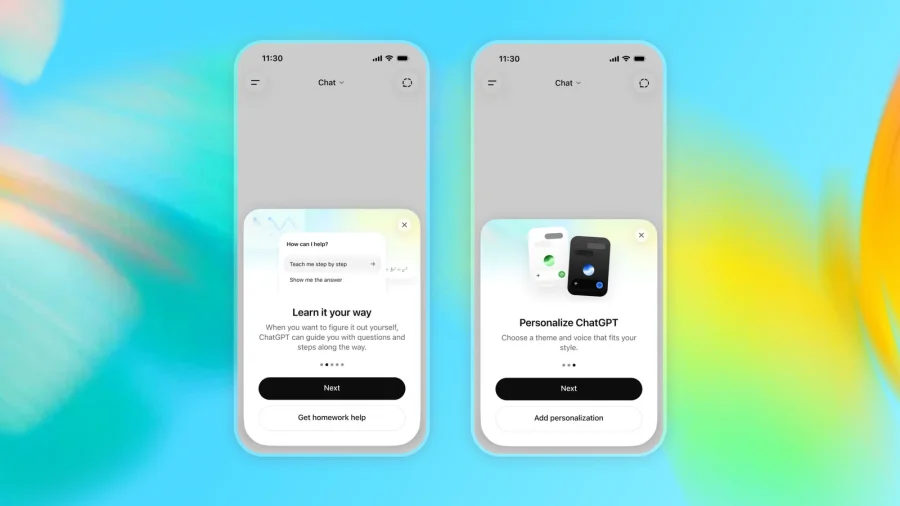
The pitch sounds reassuring: an AI chatbot designed specifically for teenagers, with extra guardrails and safety features. But child safety experts are not convinced. Their message to OpenAI is blunt — trust must be earned with proof, not promised in a press release.
Why Experts Are Pushing Back on OpenAI's Teen Product
The skepticism around ChatGPT for Teens is not about the technology itself, but about the track record. Child safety advocates argue that AI companies have repeatedly launched products with bold safety claims, only for flaws to emerge later. They want OpenAI to show, with verifiable evidence, that this product is different.
According to the experts' position, the company must demonstrate that its moderation systems, privacy controls, and content filters actually work in real-world scenarios involving minors. A policy document, they argue, is not the same as proven protection.
The Trust Deficit: Why Promises Aren't Enough Anymore
For parents and educators, the stakes are personal. A chatbot that interacts with a teenager can influence emotional development, social behavior, and even mental health. The experts' skepticism reflects a broader cultural shift — the public is no longer willing to take tech companies at their word when it comes to children.
This trust deficit is compounded by the opaque nature of AI systems. Even if OpenAI shares safety reports, independent verification is difficult. Experts are asking a simple question: how can we know what we cannot see inside?
What OpenAI Has Said About Teen Safety
OpenAI has positioned ChatGPT for Teens as a product built with safety in mind, citing features like stricter content filters and age-appropriate responses. The company has emphasized its commitment to protecting younger users.
However, the experts' response suggests that these assurances are not sufficient. The demand is for third-party audits, transparent incident reporting, and clear accountability mechanisms. Without these, the product remains, in their view, an unproven experiment involving vulnerable users.
The Real-World Stakes for Families and Schools
If ChatGPT for Teens gains traction, it could become a fixture in classrooms and homes. That prospect worries safety advocates who see AI as a powerful but unpredictable tool. A single harmful interaction, they warn, could outweigh months of positive use.
For families, the practical question is whether to allow teens to use the tool at all. The experts' skepticism may lead many parents to hold off until OpenAI provides the evidence they are demanding.
What Would Actually Satisfy the Critics?
The experts are not asking for the product to be shut down. They are asking for a higher standard of proof. This could include independent safety evaluations, transparent data on flagged incidents, and a clear process for addressing failures when they occur.
Without these elements, the skepticism will likely persist. OpenAI has an opportunity to lead the industry by setting a new benchmark for child safety — but only if it is willing to open its systems to genuine scrutiny.
Confirmed Stance vs. What Remains Unverified
What is confirmed is that child safety experts have expressed public skepticism about ChatGPT for Teens and are demanding proof of trustworthiness. What remains unverified is the specific nature of their concerns beyond the general call for evidence, as detailed technical or incident-based criticisms have not been publicly disclosed in the available information.
Balancing Innovation with Caution
Supporters of AI in education argue that tools like ChatGPT can personalize learning and provide support that students need. They see the experts' caution as potentially slowing down beneficial innovation.
Critics, however, counter that the cost of a mistake with a child is too high to justify a fast rollout. The debate is not about whether AI belongs in teen lives, but about how carefully it should be introduced.
A Pattern of Scrutiny for AI and Minors
This is not an isolated incident. Across the industry, regulators and advocacy groups are increasingly questioning how AI companies handle minors' data and safety. ChatGPT for Teens has become the latest flashpoint in a larger conversation about digital responsibility.
The outcome of this standoff could set a precedent for how all AI products targeting young people are evaluated in the future.
What Parents and Educators Should Consider Now
For those deciding whether to allow teens to use ChatGPT, the experts' skepticism is a signal to proceed with caution. Parents should ask questions about privacy settings, content controls, and how to report concerns. Schools should demand clear safety documentation before integrating the tool into curricula.
Waiting for independent verification is a reasonable position, not a Luddite one.
What Happens Next in the Trust Debate
The ball is now in OpenAI's court. If the company responds with transparent, verifiable safety evidence, it could turn skeptics into cautious supporters. If it does not, the trust gap will only widen.
The coming months will reveal whether OpenAI treats this as a public relations problem or a genuine safety challenge.
Our Take
This story is about more than one product. It is about the fundamental question of whether AI companies can be trusted with the most vulnerable members of society. The experts' skepticism is not cynicism — it is a demand for accountability. OpenAI has a chance to prove that safety is not a marketing feature but a core engineering priority. The industry will be watching.
Frequently Asked Questions
Why are child safety experts skeptical of ChatGPT for Teens?
Experts are skeptical because they believe OpenAI must prove, with verifiable evidence, that its safety measures work in real-world scenarios. They argue that corporate promises are not enough when the product involves minors.
What do experts want OpenAI to do?
They want independent safety audits, transparent incident reporting, and clear accountability mechanisms. The goal is to demonstrate that the product is safe in practice, not just on paper.
Should parents allow teens to use ChatGPT for Teens?
Parents should proceed with caution. It is advisable to review privacy settings, understand content controls, and wait for independent safety verification before allowing unsupervised use.
Is ChatGPT for Teens safe for school use?
Schools should demand clear safety documentation and third-party evaluations before integrating the tool. Until such evidence is available, a cautious approach is recommended.