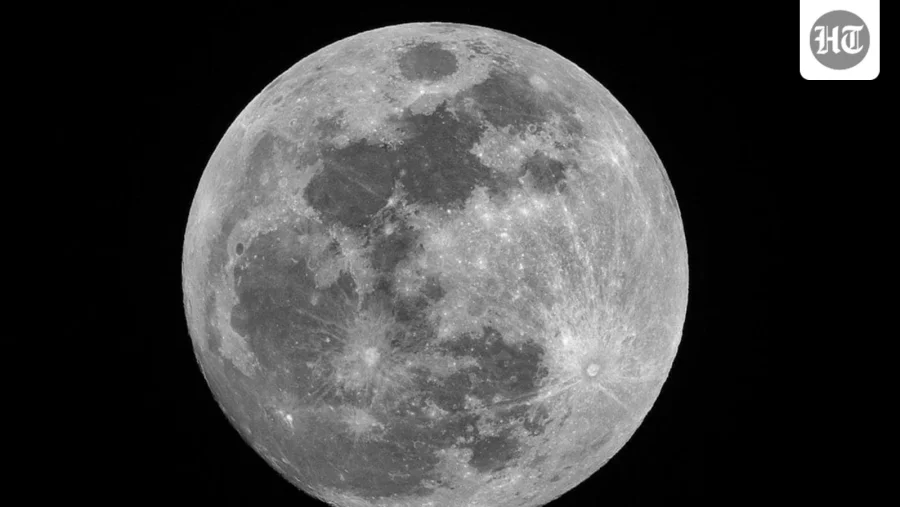
India's Chandrayaan-2 mission has detected signs of subsurface water ice in permanently shadowed craters near the Moon's south pole. The finding, based on radar data from the orbiter, suggests stable ice deposits that could change how future lunar missions are planned.
Scientists at the Indian Space Research Organisation (ISRO) found evidence beneath four permanently shadowed craters. These regions are continuously shielded from sunlight and thermal radiation, keeping temperatures extremely low — around 25 Kelvin. That's cold enough to preserve ice for potentially billions of years.
Why This Discovery Matters for Lunar Exploration
Water ice on the Moon isn't just a scientific curiosity. It's a practical resource. If confirmed, this subsurface ice could provide drinking water for astronauts, oxygen for breathing, and hydrogen for rocket fuel. That would make long-term lunar bases far more feasible.
The discovery comes at a time when multiple space agencies — including NASA's Artemis program — are targeting the Moon's south pole for future crewed missions. Having a local water source would dramatically reduce the cost and complexity of those missions.
How Chandrayaan-2 Made the Detection
Chandrayaan-2's dual-frequency synthetic aperture radar (SAR) was key to this finding. The radar can penetrate the lunar surface and detect differences in material properties below. In the four craters studied, the radar signatures matched what scientists expect from water ice mixed with lunar soil.
The study, published in npj Space Exploration, focused on what researchers call "doubly shadowed" craters. These are areas that receive no direct sunlight and are also shielded from thermal radiation bouncing off nearby terrain. The result is some of the coldest spots in the solar system.
What This Means for Future Moon Missions
If the ice deposits are as extensive as the data suggests, they could serve as a natural resource depot. Instead of hauling water from Earth — which costs thousands of dollars per kilogram — future missions could extract and process ice on-site.
This aligns with ISRO's broader ambitions. India has already demonstrated cost-effective space exploration with Chandrayaan-3's successful landing near the south pole in 2023. Finding usable water ice would strengthen the case for more ambitious lunar missions, including potential sample return or even crewed landings.
What We Know — and What Remains Uncertain
The radar data is promising, but it's not definitive proof. Scientists say the signatures are consistent with subsurface ice, but other materials could produce similar readings. Confirmation would likely require a dedicated lander or rover to physically sample the ice.
That said, the evidence is strong enough to warrant serious attention. The study's authors note that the amount of subsurface ice could be significant, though exact volumes remain unclear. Future missions with ground-penetrating radar or drilling capabilities could provide answers.
Risks and Challenges Ahead
Extracting ice from permanently shadowed craters presents engineering challenges. These regions are extremely cold, dark, and difficult to access. Rovers would need specialized power and heating systems to operate there.
There's also the question of sustainability. If multiple space agencies begin extracting lunar water, international agreements would be needed to manage the resource. The Outer Space Treaty of 1967 prohibits national appropriation of celestial bodies, but resource extraction remains a gray area.
Why This Discovery Fits a Larger Trend
Water on the Moon has been a growing focus of space exploration. NASA's SOFIA telescope confirmed water molecules on the sunlit surface in 2020. China's Chang'e-5 mission found water in lunar soil samples. And India's Chandrayaan-1 detected hydroxyl molecules in 2009.
Chandrayaan-2's finding adds subsurface ice to the picture. Together, these discoveries paint a consistent story: the Moon is not as dry as scientists once believed. Water exists in multiple forms and locations, and it may be more accessible than previously thought.
What Space Enthusiasts and Investors Should Know
For those following space exploration, this discovery reinforces the Moon's value as a destination. Countries and companies planning lunar missions now have additional reason to target the south pole. The presence of water ice reduces one of the biggest barriers to permanent lunar presence.
For investors, the finding could accelerate interest in space resource utilization companies. If water can be extracted and processed on the Moon, it opens the door to in-space refueling and manufacturing — industries that are still in their infancy.
What Could Happen Next
ISRO is likely to follow up with more detailed studies. The agency's future missions could include a dedicated ice-mapping orbiter or a lander equipped with drilling capabilities. International collaboration is also possible, as multiple agencies share an interest in lunar water resources.
The discovery also strengthens the case for the Lunar Polar Exploration (LUPEX) mission, a joint India-Japan effort planned for later this decade. That mission aims to explore the Moon's south pole for water ice — and Chandrayaan-2's data provides a roadmap for where to look.
Our Take: Why This Discovery Matters Beyond One Mission
Chandrayaan-2's finding is more than a scientific achievement. It's a practical step toward making the Moon a place where humans can live and work. Water is the single most important resource for space exploration, and finding it in usable form on the Moon changes the calculus for every future mission.
The discovery also highlights the value of persistent observation. Chandrayaan-2's orbiter has been collecting data since 2019, and this finding came from careful analysis of that data over time. It's a reminder that some of the most important discoveries come not from flashy new missions, but from patient study of existing information.
For India, the finding reinforces its position as a serious player in space exploration. ISRO has consistently delivered high-impact science at a fraction of the cost of other agencies. This discovery adds to that reputation.
FAQs
What did Chandrayaan-2 find on the Moon?
Chandrayaan-2 detected signs of subsurface water ice in permanently shadowed craters near the Moon's south pole. Radar data from the orbiter suggests stable ice deposits beneath the surface.
Why is water ice on the Moon important?
Water ice can be used for drinking water, oxygen for breathing, and hydrogen for rocket fuel. Having a local water source would make long-term lunar missions and bases far more practical and cost-effective.
How did Chandrayaan-2 detect the ice?
The orbiter used a dual-frequency synthetic aperture radar that can penetrate the lunar surface. The radar signatures in four "doubly shadowed" craters matched what scientists expect from water ice mixed with lunar soil.
Is the discovery confirmed, or is more research needed?
The evidence is strong but not definitive. The radar signatures are consistent with subsurface ice, but other materials could produce similar readings. Confirmation would likely require a lander or rover to physically sample the ice.