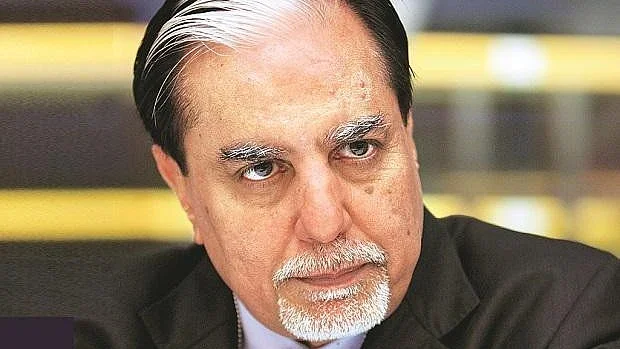
The Central Bureau of Investigation has registered a case against media baron Subhash Chandra, accusing him of inflating his personal net worth to secure loans worth Rs 980 crore from a state-backed lender. The development marks a significant escalation in what began as a corporate default dispute and has now transformed into a criminal investigation.
What the CBI FIR Alleges Against Subhash Chandra
The FIR was registered following a formal complaint by LIC Housing Finance Limited (LICHFL). The lender has alleged that Chandra submitted net-worth certificates that were inflated, which helped secure the sanction and disbursal of two separate loan facilities.
According to the complaint, the first loan was a Rs 500-crore facility extended to Vasant Sagar Properties Private Limited, with Pan India Infra Projects Private Limited acting as the co-borrower. The second was a Rs 480-crore facility given to Digital Subscriber Management and Consultancy Services Private Limited, with Spirit Infra Power and Multi Ventures Private Limited as co-borrowers.
Why the Rs 1,322 Crore Loss Claim Matters for LIC Housing Finance
LICHFL has told investigators that the subsequent defaults on these loans caused a financial loss exceeding Rs 1,322 crore. For a public sector lender, this scale of alleged fraud raises serious questions about internal due-diligence processes and the verification of high-value loan applications.
The case also highlights the vulnerability of financial institutions to borrowers who may present an exaggerated picture of their financial standing. If the allegations are proven, it could prompt stricter scrutiny of net-worth certification across the lending industry.
Timeline: From Corporate Borrowing to Criminal Investigation
The loans were sanctioned and disbursed to companies linked to Chandra's business network, which spans media, infrastructure, and power sectors. While the original story does not specify the exact dates of sanction, the progression from commercial lending to default and now to a CBI FIR suggests a prolonged dispute between the borrower entities and the lender.
The involvement of multiple corporate entities as borrowers and co-borrowers indicates a complex financial structure. Investigators are likely to examine the interconnections between these companies and the flow of funds.
Who Is Affected: Investors, Lenders, and the Media Industry
This investigation carries implications beyond Subhash Chandra himself. LIC Housing Finance shareholders and policyholders have a direct stake in recovering the alleged losses. The case also casts a shadow over the broader Essel Group, of which Chandra is the chairman, potentially affecting investor confidence in his other ventures.
For the Indian media and infrastructure sectors, the FIR serves as a reminder of how personal guarantees and net-worth declarations can become points of legal vulnerability during economic downturns.
LIC Housing Finance's Complaint and the CBI's Response
The CBI acted on the basis of LICHFL's written complaint, which detailed the alleged inflation of net worth. The central agency has registered the FIR and is expected to conduct a preliminary examination of the financial documents submitted at the time of loan sanction.
Officials familiar with the process typically verify net-worth certificates through independent valuation and cross-checking with income tax returns and asset declarations. Any discrepancy found during this process could form the basis of the chargesheet.
Understanding the Alleged Mechanism: How Net Worth Inflation Works
Net-worth certificates are critical documents in high-value lending. They represent a borrower's total assets minus liabilities, serving as a measure of their ability to repay. Inflating net worth can involve overstating asset values, underreporting liabilities, or including assets that are not legally owned.
If Chandra is found to have submitted such inflated certificates, it would constitute a misrepresentation that materially influenced the lender's decision to sanction the loans. This is why the CBI's investigation will likely focus on the authenticity and accuracy of these certificates.
Confirmed Facts vs What Remains Unclear in the Investigation
What is confirmed is that the CBI has registered an FIR and that LICHFL has alleged a loss of over Rs 1,322 crore. The details of the two loan facilities and the companies involved are also part of the official complaint.
What remains unclear is the exact nature of the alleged inflation, the specific assets or figures that were misrepresented, and whether other individuals within the borrowing companies or the lending institution will be named in the investigation. It is also not yet known whether Chandra has been summoned for questioning or if any arrests are planned. All of these aspects are subject to the ongoing investigation and should not be treated as established facts.
Risks and Balanced View: The Defense Perspective
It is important to note that an FIR is not a conviction. Subhash Chandra has the right to defend himself against these allegations, and the legal process will determine the veracity of LICHFL's claims. Corporate loan defaults can sometimes result from genuine business downturns rather than deliberate fraud.
The distinction between a commercial dispute and a criminal offense will be a key point of legal contention. Chandra's legal team may argue that the defaults were a result of market conditions rather than intentional misrepresentation at the time of loan application.
Wider Pattern: Corporate Loan Defaults Under Regulatory Scrutiny
This case fits into a broader trend of Indian investigative agencies examining high-value corporate loan defaults. In recent years, multiple cases have emerged where lenders have alleged that borrowers provided false financial information to secure credit.
The financial sector has seen increased regulatory oversight following the recognition of non-performing assets and the implementation of stricter corporate governance norms. This FIR signals that lenders are willing to pursue criminal remedies when they believe they have been misled.
What Should Investors and Industry Watchers Do Now
Investors with exposure to LIC Housing Finance should monitor the case for updates on potential recovery of the alleged losses. Those with investments in Essel Group entities should track how this investigation affects the group's ability to raise capital or refinance existing debt.
For industry observers, this case serves as a case study in the importance of rigorous due diligence. It also underscores the legal risks that promoters face when providing personal guarantees backed by net-worth declarations.
Future Outlook: What Happens Next in the CBI Investigation
The CBI will now conduct a formal investigation, which may include summoning Subhash Chandra for questioning, examining corporate records, and seeking financial transaction details from banks. The agency may also approach relevant authorities for documents related to asset valuations.
Depending on the findings, the CBI could file a chargesheet or close the case if insufficient evidence is found. The timeline for such investigations can vary significantly, and legal challenges from the accused party could extend the process.
Our Take
This FIR represents a critical juncture in how India's financial system handles allegations of corporate misrepresentation. The case is not merely about one media baron or one lender; it is about the integrity of the information that underpins high-value credit decisions.
If the allegations are substantiated, it would validate concerns about the adequacy of net-worth verification in the lending industry. If they are not, it would raise questions about the criminalization of commercial failures. Either way, the investigation's outcome will have lasting implications for how lenders assess promoter guarantees and how borrowers declare their financial standing.
Frequently Asked Questions
What is the CBI FIR against Subhash Chandra about?
The CBI has registered an FIR against media baron Subhash Chandra for allegedly inflating his net worth to secure loans worth Rs 980 crore from LIC Housing Finance Limited. The lender claims the defaults caused a loss of over Rs 1,322 crore.
Which companies were involved in the Rs 980 crore loans?
Two loan facilities were involved: a Rs 500-crore loan to Vasant Sagar Properties Private Limited with Pan India Infra Projects Private Limited as co-borrower, and a Rs 480-crore loan to Digital Subscriber Management and Consultancy Services Private Limited with Spirit Infra Power and Multi Ventures Private Limited as co-borrowers.
What does "inflated net worth" mean in this context?
It means Subhash Chandra allegedly submitted certificates that overstated his total assets or understated his liabilities, making him appear financially stronger than he actually was. This misrepresentation allegedly influenced LIC Housing Finance's decision to sanction the loans.
Has Subhash Chandra been arrested or convicted?
No. The CBI has only registered an FIR, which initiates an investigation. Subhash Chandra has not been arrested or convicted. He retains the right to defend himself, and the allegations are subject to legal scrutiny and proof in court.