BREAKING NEWS
Logo
Select Language
search
India Deep Research · 4 sources May 31, 2026 · min read

‘Busted myth of short and swift wars’: Navy chief on US-Iran conflict in West Asia

Indian Navy Chief Admiral Dinesh K Tripathi has said that the ongoing conflict between the US and Iran in West Asia has effectively debunked the long-held belie...
Rajendra Singh

Rajendra Singh

News Headline Alert

‘Busted myth of short and swift wars’: Navy chief on US-Iran conflict in West Asia
728 x 90 Header Slot

TL;DR — Quick Summary

Indian Navy Chief Admiral Dinesh K Tripathi has stated that the ongoing conflict between the US and Iran in West Asia has debunked the long-held belief in short and swift wars. He made the remarks while advocating for a dedicated naval theatre command, arguing that modern conflicts are prolonged and require sustained naval readiness.

Key Facts
Key Point
Indian Navy Chief Admiral Dinesh K Tripathi said the US-Iran conflict in West Asia has busted the myth of short and swift wars.
Key Point
He made the statement while pitching for a dedicated naval theatre command for India.
Key Point
The Navy chief argued that modern conflicts are prolonged and require sustained naval readiness.
Key Point
The remarks were made in an interview with Hindustan Times.
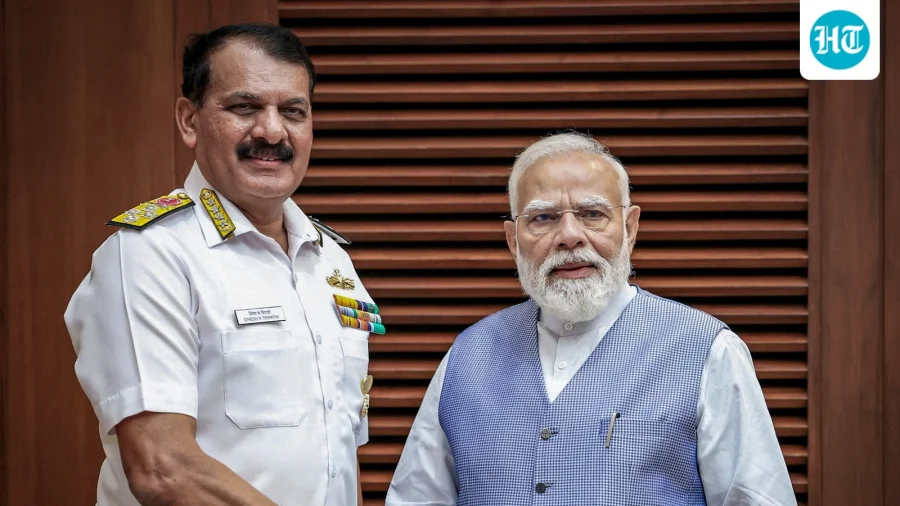
Indian Navy Chief Admiral Dinesh K Tripathi has said that the ongoing conflict between the US and Iran in West Asia has effectively debunked the long-held belief in short and swift wars. The statement comes as he pushes for a dedicated naval theatre command for India, arguing that modern conflicts are far more protracted than previously assumed. In an interview with Hindustan Times, Admiral Tripathi pointed to the prolonged nature of the US-Iran tensions as a clear example. "The myth of short and swift wars has been busted," he said, emphasizing that the conflict in West Asia demonstrates the need for sustained naval readiness rather than quick, decisive engagements. The Navy chief’s remarks are part of a broader argument for restructuring India's military command structure. He is advocating for a dedicated naval theatre command, which would consolidate naval assets under a single operational commander. This, he argued, would allow the Indian Navy to respond more effectively to prolonged conflicts and maintain a continuous presence in critical regions. Admiral Tripathi’s comments come at a time when global military strategists are reassessing the nature of modern warfare. The conflict in West Asia, which has seen periods of intense escalation followed by prolonged standoffs, has challenged traditional assumptions about the speed and decisiveness of military operations. The Navy chief’s push for a naval theatre command is seen as a significant step in India’s ongoing military reforms. The proposal, if implemented, would mark a major shift in how the Indian Navy operates, giving it greater autonomy and strategic flexibility in responding to threats. While the government has not yet made a final decision on the matter, Admiral Tripathi’s remarks are likely to fuel further debate on the need for integrated theatre commands in India’s defense setup.
Rajendra Singh

Written by

Rajendra Singh

Rajendra Singh Tanwar is a staff correspondent at News Headline Alert, one of India's digital news platforms covering national and state developments across politics, health, business, technology, law, and sport. He reports on government decisions, policy announcements, corporate developments, court rulings, and events that affect people across India — drawing on official documents, named sources, expert commentary, and verified public records. His work spans breaking news, policy analysis, and public interest reporting. Before each article is published, it is reviewed by the News Headline Alert editorial desk to ensure accuracy and editorial standards are met. Corrections, sourcing queries, and editorial feedback can be directed to editorial@newsheadlinealert.com.