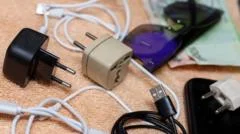
As millions of Brits prepare for summer holidays abroad, a leading safety campaign group has issued a stark warning: don't let a cheap plug adaptor ruin your trip — or worse, put your life at risk. Electrical Safety First has urged travellers to "think before they buy" when it comes to travel adaptors, highlighting the hidden dangers of counterfeit and substandard products flooding the market.
Why the warning matters now
With summer travel season underway, many UK holidaymakers will be shopping for adaptors to charge phones, laptops, and other devices overseas. But Electrical Safety First warns that unbranded or cheap adaptors — often sold online or at discount stores — may lack essential safety features, increasing the risk of electric shock, overheating, or fire.
What makes an adaptor dangerous
According to safety experts, dangerous adaptors often fail to meet UK or international safety standards. Common issues include poor insulation, incorrect fuse ratings, and inadequate grounding. Some counterfeit products even mimic the appearance of reputable brands but use substandard materials that can melt or catch fire under normal use.
Who is affected and what to watch for
The warning applies to any UK traveller using electrical devices abroad. Key red flags include adaptors with no brand name, missing safety marks (like the British Standard Kitemark or CE marking), unusually low prices, or packaging with poor-quality printing. Devices that feel flimsy, have loose pins, or emit a burning smell during use should be immediately discarded.
Official advice from Electrical Safety First
The campaign group has advised travellers to purchase adaptors from reputable UK retailers rather than unknown online sellers. They recommend checking for the British Standard mark (BS 1363 for UK plugs) or equivalent international safety certifications. "Heading abroad this summer? Think before you buy," the group said in its public advisory.
Why cheap adaptors are a false economy
While a £2 adaptor might seem like a bargain, the potential cost — in terms of fire damage, device loss, or personal injury — is far higher. Safety-certified adaptors typically cost between £8 and £15 and include features like surge protection, proper fusing, and heat-resistant materials. Experts say the extra spend is a small price for peace of mind.
Confirmed facts vs what remains unclear
Confirmed: Electrical Safety First has issued a public warning urging Brits to avoid dangerous plug adaptors this summer. The group advises buying from reputable retailers and checking for safety marks. Unclear: The original story does not specify particular brands, incidents, or enforcement actions. No specific recall or injury data has been cited in the available source material.
Risks and balanced view
While the warning is important, not all unbranded adaptors are necessarily dangerous. Some low-cost products may still meet basic safety standards, though verifying this without certification marks is difficult. Critics of such warnings sometimes argue they can create unnecessary fear, but Electrical Safety First maintains that the risks of counterfeit electrical goods are well-documented and serious.
Wider trend: counterfeit electrical goods on the rise
This warning fits a broader pattern of concern over counterfeit electrical products sold online. In recent years, UK authorities have seized thousands of fake phone chargers, plug adaptors, and extension leads that failed safety tests. The rise of third-party marketplace sellers has made it harder for consumers to distinguish genuine products from dangerous fakes.
Practical guidance for summer travellers
Before buying a travel adaptor, check for the British Standard Kitemark or CE marking. Buy from established UK retailers like supermarkets, hardware stores, or the official websites of trusted brands. Avoid adaptors that feel unusually light or have visible gaps in the casing. If you already own a suspect adaptor, replace it before your trip.
Future outlook
Electrical Safety First is likely to continue its public awareness campaigns, especially during peak travel seasons. There may also be increased pressure on online platforms to verify the safety of electrical products sold by third-party sellers. For now, the onus remains on consumers to make informed, cautious choices.
Our Take
This warning is timely and necessary. While it may seem like a small detail, a faulty plug adaptor can have serious consequences — from destroying expensive devices to causing a house fire abroad. The advice from Electrical Safety First is straightforward and easy to follow. The real challenge lies in consumer behaviour: the temptation to save a few pounds on a product that seems trivial. This summer, that saving could come at a much higher cost.
Frequently Asked Questions
What makes a plug adaptor dangerous?
Dangerous adaptors often lack proper insulation, have incorrect fuse ratings, or use substandard materials that can overheat, melt, or cause electric shocks. Counterfeit products may look like genuine brands but fail safety tests.
How can I tell if a travel adaptor is safe?
Look for the British Standard Kitemark (BS 1363 for UK plugs) or CE marking. Buy from reputable UK retailers, not unknown online sellers. Avoid adaptors with no brand name, poor packaging, or unusually low prices.
What should I do if I already own a cheap adaptor?
Check for safety marks. If it has none, or feels flimsy, replace it with a certified product before travelling. Do not use adaptors that show signs of damage, overheating, or loose connections.
Are all unbranded adaptors unsafe?
Not necessarily, but without certification marks, it is difficult to verify safety. Electrical Safety First recommends buying only from trusted sources to minimise risk.