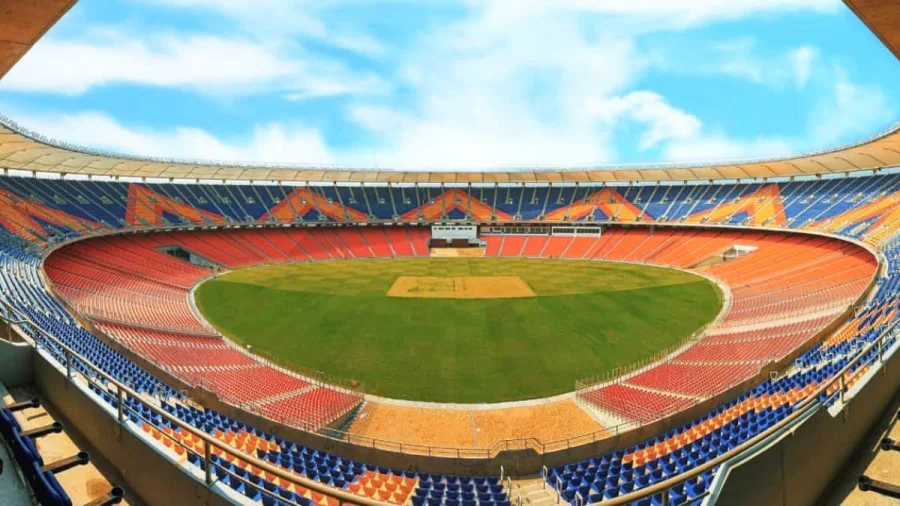
The email landed mid-match. As India Under-19 and Australia Under-19 played their second Youth Test at the Narendra Modi Stadium in Ahmedabad on Wednesday, a bomb threat was sent to the venue — triggering an immediate security response at one of the world's largest cricket grounds.
Within hours, police confirmed the threat was a hoax. But the scare briefly turned the spotlight from the pitch to the stadium's security apparatus, and raised fresh questions about how such threats are handled during live sporting events.
What Exactly Happened at the Ahmedabad Stadium
According to the original report, the Narendra Modi Stadium received a threatening email on Wednesday while the U19 Test was underway. A Cyber Cell team was dispatched to the stadium to trace and investigate the email.
Police later confirmed the threat was a hoax. No explosive device was found, and the match was not disrupted in any reported manner.
Why This Threat Mattered Beyond the Cricket Field
The Narendra Modi Stadium is not just a cricket venue — it is India's largest stadium by capacity and a regular host of high-profile international fixtures, IPL playoffs, and marquee events. Any security incident here draws immediate national attention.
For the thousands of spectators, ground staff, and players present, even a hoax threat carries real psychological weight. It also forces authorities to divert resources and activate protocols that are designed for genuine emergencies.
The Wider Email Wave Across Ahmedabad
The stadium was not the only target. According to the report, several locations in Ahmedabad received threatening emails on the same day, including the Gujarat High Court and multiple schools and colleges.
The email received by the Gujarat Cricket Association also reportedly referred to the Diljit Dosanjh concert — a detail that suggests the sender may have been attempting to amplify panic around a major public gathering.
Who Is Affected — and Why It Matters to Real People
For cricket fans, the immediate concern was whether the match would be halted or the venue evacuated. For parents of schoolchildren in Ahmedabad, the simultaneous threats to educational institutions added a separate layer of anxiety.
Event organisers and security agencies now face a familiar challenge: distinguishing credible threats from coordinated hoaxes without underreacting to either.
How Authorities Responded
The Cyber Cell's visit to the stadium indicates that investigators are treating the email as a traceable digital lead rather than dismissing it outright. Police confirmation that the threat was a hoax came after the initial investigation.
Officials have not, in the available report, named any suspect or disclosed the technical details of the email's origin.
Confirmed Facts vs What Remains Unclear
Confirmed: A bomb threat email was received at the Narendra Modi Stadium on Wednesday during the India U19 vs Australia U19 Test. A Cyber Cell team investigated. Police confirmed it was a hoax. The Gujarat High Court and several schools also received threats.
Unclear: The identity or motive of the sender. Whether the emails were coordinated from a single source. Whether any additional security measures will be implemented at upcoming events, including the Diljit Dosanjh concert.
Risks and the Balanced View
Hoax threats are not victimless. They consume police time, disrupt public confidence, and can normalise a climate of fear around large gatherings. At the same time, authorities cannot afford to treat any threat as automatically false — which is why the Cyber Cell response was appropriate.
The bigger risk is a pattern: if such emails recur without consequence, public trust in security protocols could erode, and genuine threats could be dismissed too quickly.
A Growing Pattern of Hoax Threats at Public Venues
This incident fits a broader trend of hoax bomb threats targeting Indian public institutions — courts, schools, airports, and now stadiums. Most are traced to pranksters or individuals seeking attention, but the operational cost to security agencies is real.
The use of email as the delivery method also makes tracing harder, especially when senders use anonymising tools.
What Readers and Event-Goers Should Know
If you are attending an event at a major venue in the coming days, expect heightened security checks. Report any suspicious activity to authorities rather than sharing unverified claims on social media.
For parents and students, it is worth noting that schools receiving such threats typically follow standard evacuation and verification protocols — panic is rarely the right response.
What Could Happen Next
The Cyber Cell investigation will likely focus on tracing the email's origin and determining whether the Ahmedabad threats were coordinated. Depending on findings, authorities may increase security at upcoming events, including the Diljit Dosanjh concert.
No arrests or suspects have been reported at this stage.
Our Take
This story is less about a cricket match and more about how fragile public confidence can be when a single email can trigger a security operation at a stadium hosting thousands. The hoax was contained — but the pattern of such threats across Indian institutions deserves closer scrutiny than it usually gets.
Frequently Asked Questions
Was the Narendra Modi Stadium bomb threat real?
No. Police confirmed the threat was a hoax after a Cyber Cell team investigated the email received during the India U19 vs Australia U19 Test.
Was the India vs Australia U19 match disrupted?
No disruption to the match has been reported. The game continued while authorities investigated the threat.
Which other locations in Ahmedabad received threats?
The Gujarat High Court and several schools and colleges reportedly received similar threatening emails on the same day.
What was the Diljit Dosanjh concert reference in the email?
The email received by the Gujarat Cricket Association reportedly referred to the Diljit Dosanjh concert, suggesting the sender may have been trying to amplify panic around a major public event.