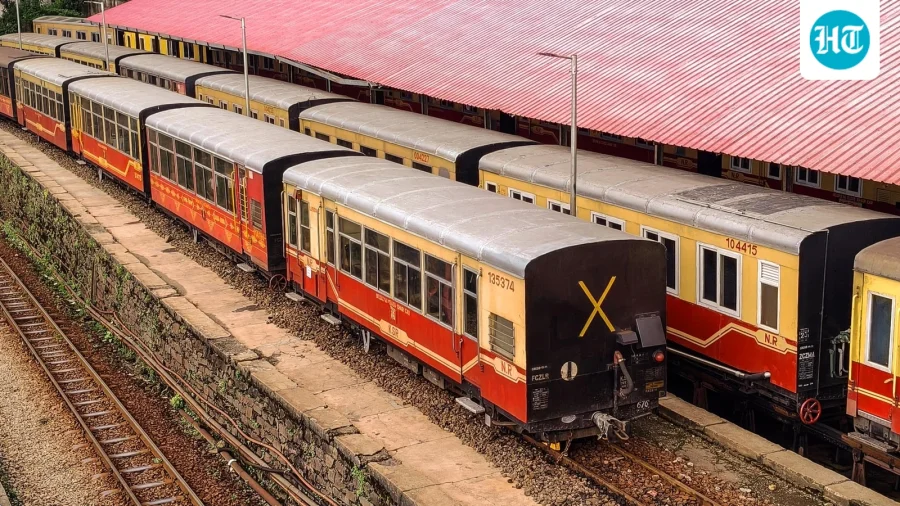
On October 15, a long-distance train that had passed through Ottappalam for years began slowing down there instead. Within days, the halt had stopped being just a railway decision — and become a fight over who deserved the credit.
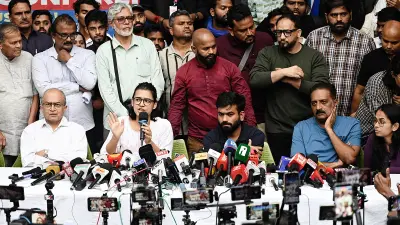
BJP and Congress workers in the Kerala town are now publicly sparring over which party pushed the Railways into introducing the stoppage. The train in question is the daily Bengaluru-Ernakulam service, and the halt, according to a South Western Railway press release, is experimental.
What the Railways Actually Announced
The South Western Railway press release is the only official record of the decision. It states that an experimental stoppage was introduced for the daily Bengaluru-Ernakulam train at Ottappalam from October 15.
Nothing in that release attributes the decision to a political party, a legislator, or a public campaign. That gap — between an operational order and a political claim — is where the current dispute lives.
Why a Single Halt Matters So Much in Ottappalam
Ottappalam sits in Kerala's Palakkad district, a region where rail connectivity shapes daily life for students, traders, and workers who commute to Coimbatore, Palakkad, and beyond.
A halt on a long-distance train is not a small thing locally. It can mean the difference between a same-day journey and an overnight detour, between reaching a hospital or a workplace on time and not reaching it at all.
That is precisely why local political credit for a railway stoppage carries weight — and why both parties want to be seen as the one that delivered it.
How the Row Took Shape
The sequence is straightforward. The Railways issued the stoppage order. Local BJP and Congress workers then began competing publicly over who had raised the demand first and who had followed through.
Each side is presenting itself as the reason the train now stops at Ottappalam. Neither claim has been confirmed by the Railways, which has not named any party in its release.
Who Is Actually Affected
The people most affected are ordinary passengers — daily commuters, students travelling to colleges in Palakkad and Coimbatore, and small traders moving goods and themselves along the Bengaluru-Ernakulam corridor.
For them, the political argument is secondary. What matters is whether the halt holds, whether timings are convenient, and whether it survives the trial period.
What the Railways Has Said — and Not Said
The South Western Railway press release confirms the stoppage and its experimental nature. It does not confirm who requested it, which party raised the demand, or how long the trial will run.
That silence is not unusual. Indian Railways routinely introduces experimental halts based on internal operational and commercial assessments, and typically avoids attributing such decisions to political pressure.
Reading the Political Contest
Railway stoppages have long been a staple of local political credit-claiming in India. A new halt is visible, tangible, and easy to point to — which makes it useful in a region where both the BJP and the Congress are competing for the same voter base.
The dispute here is less about the train and more about perception: who is seen as responsive to local needs ahead of future electoral contests in Palakkad district.
Confirmed Facts vs What Remains Unclear
Confirmed: The Railways introduced an experimental stoppage for the daily Bengaluru-Ernakulam train at Ottappalam from October 15, as stated in a South Western Railway press release.
Unclear: Which party, if any, was responsible for the decision. Whether the stoppage will be made permanent. How long the experimental period will last. Whether the timing of the halt suits the majority of passengers.
Any claim of credit by either party remains a political assertion, not a verified fact.
Risks and the Other Side of the Story
Experimental stoppages are not guaranteed to last. If the Railways finds that the halt adds running time, disrupts schedules, or does not generate enough passenger traffic, it can be withdrawn.
There is also a quieter risk: turning a routine operational decision into a partisan trophy can make future railway demands hostage to political optics, rather than passenger need.
A Familiar Pattern Across Indian Railways
This is not an isolated episode. Across states, new train halts, extended routes, and renamed stations routinely trigger competing claims from rival parties.
The pattern reflects something structural: railway decisions are visible, local, and affect large numbers of people — making them ideal for political messaging, even when the underlying decision was administrative.
What Passengers Should Do Now
For those planning to use the halt, the practical step is to verify the current timetable directly with Indian Railways or the official NTES app, since experimental stoppages can be revised.
Passengers should also note that experimental halts sometimes come with adjusted timings at nearby stations. Checking the full schedule — not just the Ottappalam stop — avoids surprises.
What Happens Next
The Railways will review the stoppage based on passenger footfall, operational feasibility, and schedule impact. Depending on that review, the halt could be regularised, extended, or withdrawn.
Politically, both parties are likely to keep the dispute alive as long as the stoppage remains in the news — particularly if it is seen as a win with local voters.
Our Take
The Ottappalam stoppage is a small operational change with an outsized political life. The Railways made a decision; two parties are now arguing over whose pressure produced it.
What gets lost in that argument is the only question that should matter: does the halt actually work for the people who use the train? That answer will come from the trial, not from the press statements.
Frequently Asked Questions
Which train got a new stoppage at Ottappalam?
The daily Bengaluru-Ernakulam train received an experimental stoppage at Ottappalam in Kerala, effective October 15, according to a South Western Railway press release.
Why are BJP and Congress workers arguing over it?
Both parties are claiming credit for the stoppage, each presenting itself as the one that pushed the Railways to introduce the halt. The Railways has not attributed the decision to any party.
Is the Ottappalam stoppage permanent?
No. It has been described as an experimental stoppage, meaning it is under trial and could be regularised, extended, or withdrawn after review.
How can passengers confirm the current timing?
Passengers should check the official Indian Railways timetable or the NTES app, since experimental stoppages can be revised and may affect timings at nearby stations.