Summary
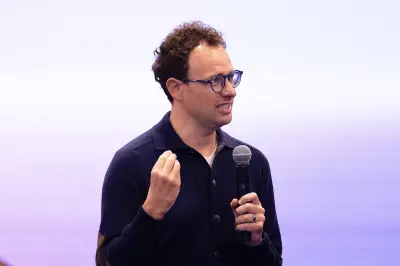
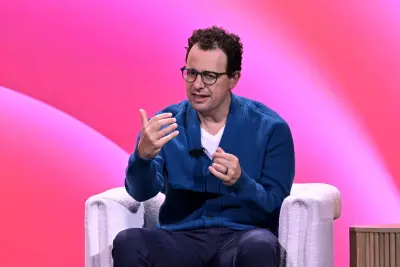
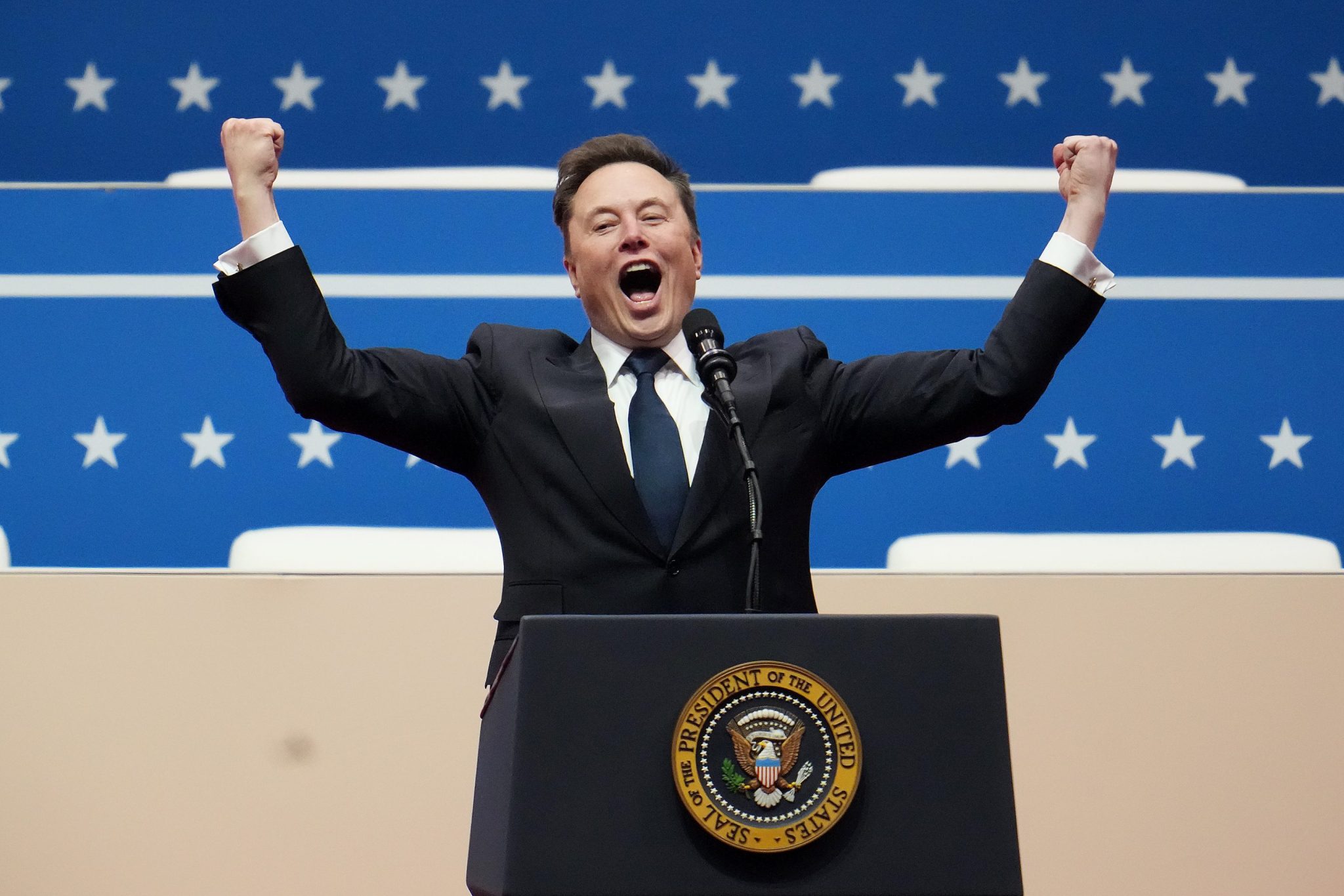
Many of the world’s wealthiest people have promised to give away most of their money, but very few have actually done it. Elon Musk recently pointed out that giving away billions of dollars in a way that actually helps people is much harder than it looks. Liz Baker, the head of a major global charity, agrees with Musk’s view. She explains that effective giving requires a lot of planning, responsibility, and the willingness to learn from mistakes.
Main Impact
The gap between making a promise and taking action is a major issue in the world of big-money giving. While hundreds of billionaires have signed pledges to donate their fortunes, the actual flow of money to those in need is much slower than expected. This situation shows that having money is only the first step. The real challenge lies in making sure that money creates lasting change without causing new problems in the communities it is meant to help.
Key Details
What Happened
Elon Musk, currently the richest person in the world, stated last year that philanthropy is a very difficult task. He argued that it is hard to give money away in a way that results in "the reality of goodness." Liz Baker, the CEO of Greater Good Charities, recently spoke out in support of this idea. Baker has spent over ten years managing how large sums of money are distributed across more than 120 countries. She says that simply writing a check is not enough to solve complex global issues.
Baker points out that donors have a huge responsibility. If money is given without a clear plan, it can create "dependencies," where communities rely on outside help instead of becoming self-sufficient. There are also complicated political issues to navigate when working in different countries. Unlike buying a product, where you see the result immediately, charity often requires waiting years to see if a project actually worked.
Important Numbers and Facts
The Giving Pledge is a famous commitment started in 2010 by Bill Gates, Melinda French Gates, and Warren Buffett. It asks the ultra-wealthy to give away at least half of their wealth. Since it began, more than 250 billionaires have signed it. However, reports show that fewer than 10 of those people have actually fulfilled that promise so far. Most of those who did only completed the gift after they passed away. In the United States, John and Laura Arnold are the only couple noted for fully complying with the pledge while still alive.
Background and Context
Philanthropy is the act of giving money or time to help others. For the very wealthy, this often involves setting up foundations or donating to large non-profit groups. The goal is usually to solve big problems like poverty, disease, or environmental damage. However, the process is often slowed down by legal rules, taxes, and the sheer size of the fortunes involved. In many cases, a billionaire's wealth grows faster than they can give it away, making it even harder to reach the goal of giving away half of their net worth.
Greater Good Charities, led by Baker, is an example of an organization that tries to do this work the right way. They focus on disaster relief, animal health, and helping people in crisis. They have received top ratings for transparency, which means they are very open about where their money goes and how it is used. Baker’s experience shows that even the best organizations must constantly test their methods to see what works.
Public or Industry Reaction
The reaction to Musk’s comments has been mixed. Some people believe that billionaires are simply making excuses to keep their money. They argue that with so much suffering in the world, the wealthy should move faster. However, experts in the non-profit world, like Baker, offer a more balanced view. They understand that throwing money at a problem without a strategy can sometimes make things worse. Baker suggests that the industry needs to be more honest about failure. She believes charities should be allowed to try new things, see if they fail, and then change their approach quickly.
What This Means Going Forward
The future of big-money giving may shift toward a more active and experimental style. Instead of just waiting for billionaires to solve everything, there is a growing call for regular people to get involved. Baker emphasizes that people should not wait for a billionaire to fix their local community. She encourages individuals to volunteer their time or skills, even if they do not have much money to give. This "bottom-up" approach could be more effective at solving local problems than waiting for a massive global fund to take action.
Final Take
Giving away a fortune is not as simple as it sounds. It requires a deep understanding of human needs and a commitment to staying involved for the long term. While the world waits for the wealthiest individuals to follow through on their promises, the real work often happens through small, consistent efforts by people who care about their own neighborhoods.
Frequently Asked Questions
What is The Giving Pledge?
It is a commitment created by Bill Gates and Warren Buffett where the world's wealthiest people promise to give away at least half of their fortune to charitable causes.
Why is it so hard to give away billions of dollars?
It is difficult because donors must ensure the money is used effectively, navigate complex international laws, and avoid making communities dependent on temporary aid.
How can regular people help if they aren't wealthy?
People can make a difference by volunteering their time, using their professional skills to help local non-profits, or donating small amounts to causes they care about in their own communities.