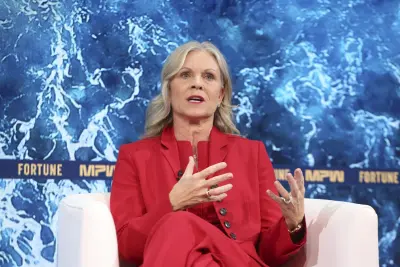
In a raw, unscripted video that has already divided the internet, Amy Gertner — the wife of Maine Democratic Senate candidate Graham Platner — did something unusual. She looked straight into her phone camera, walked along a quiet road, and called the media reports about her husband’s sexually explicit texts exactly what she thinks they are: “gossip.”
“I find it really shameful that there’s a group of media outlets and people who are willing to spread gossip,” she said in the five-minute video, posted over the weekend. “Being married is hard.”
The video wasn’t a polished campaign ad. It was a selfie-style, emotional plea from a woman caught in the middle of a political firestorm — and it has sparked a fierce debate about privacy, transparency, and the cost of running for office.
What Amy Gertner Said — and Didn’t Say
Gertner’s video came after reports from the Wall Street Journal and Politico revealed that Platner had exchanged sexually explicit text messages with several women after marrying her in November 2023. According to sources, Gertner herself had flagged the texts to Platner’s campaign during an internal vetting process last year.
But in the video, Gertner avoided directly addressing the content of the texts. Instead, she focused on defending her marriage and criticizing the media’s role in the story.
“I just really wanted to make sure that everyone knows that Graham and I have a great marriage,” she said, according to CBS News. “Being married is hard. It’s not always easy, but we work through things together.”
Her tone was informal, vulnerable, and at times frustrated. She didn’t deny the reports. She didn’t confirm them either. She simply asked the public to stop treating her personal life as entertainment.
Why This Matters Right Now
This isn’t just a tabloid moment. It’s a real-time test of how voters, the media, and the public handle personal scandals in an era of hyper-transparency.
For Maine voters, the question is simple: Does a candidate’s private behavior — especially behavior that his own wife knew about and reportedly flagged — affect his fitness for office? For the media, the question is about boundaries: When does reporting on a public figure cross the line into invasion of privacy?
And for Gertner, the stakes are deeply personal. She’s not a politician. She’s a woman whose marriage is being dissected in national headlines — and she’s fighting back the only way she knows how.
How the Controversy Unfolded
The timeline of this story moves fast. Here’s what we know so far:
- November 2023: Graham Platner and Amy Gertner marry.
- 2025: During an internal campaign vetting process, Gertner reportedly tells Platner’s campaign about sexually explicit texts he sent to other women after their marriage.
- Late May 2026: The Wall Street Journal first reports the existence of the texts. Politico later confirms the story, citing campaign sources.
- Weekend of May 30–31, 2026: Platner’s campaign posts a video of Gertner defending her husband and criticizing the media coverage.
The campaign has confirmed the text exchanges to Politico, but has not released the full content of the messages. Platner himself has not directly addressed the controversy in detail.
Who Is Affected and What Officials Are Saying
The immediate impact is on Platner’s Senate campaign, which has been described as a “whirlwind” by multiple outlets. Platner, an oyster farmer and combat veteran, has positioned himself as a fresh, authentic voice in Maine politics. This controversy threatens to undermine that image.
Gertner, meanwhile, is the most visibly affected. Her video was a direct appeal to the public — and a clear signal that she is standing by her husband, at least publicly.
“I think it’s really important that people understand that we are a family, and we are going to get through this together,” she said in the video, according to reports.
Political analysts say the incident could either hurt Platner’s credibility or, if voters see it as a private matter, have limited impact. The outcome likely depends on what — if anything — else emerges.
What We Know So Far — and What Remains Unclear
What we know:
- Graham Platner exchanged sexually explicit texts with multiple women after marrying Amy Gertner.
- Gertner was aware of the texts and flagged them to the campaign during vetting.
- The campaign has confirmed the exchanges.
- Gertner has publicly defended her marriage and criticized the media.
What remains unclear:
- The full content and timeline of the texts.
- Whether any of the women involved have come forward or will do so.
- How this will affect Platner’s standing with Maine voters.
- Whether any further revelations are expected.
The campaign has not provided additional details, and Gertner’s video did not address the specifics of the allegations.
Risks, Concerns, and the Balanced View
This story is far from one-sided. Here’s the balanced perspective:
Critics argue: The media has a legitimate role in reporting on the character of candidates for public office. Voters deserve to know about behavior that may reflect judgment, honesty, or respect for commitments. Gertner’s video, while emotional, does not change the underlying facts.
Supporters argue: This is a private matter between a husband and wife. Gertner has clearly chosen to stand by her husband, and the media should respect that. “Being married is hard” is not a scandal — it’s a human reality. The coverage risks becoming voyeuristic rather than informative.
The middle ground: The public has a right to know about a candidate’s past, but there is a line between legitimate reporting and sensationalism. The key question is whether the texts reveal a pattern of behavior that is relevant to Platner’s fitness for office — or whether they are simply a private mistake that a couple has worked through.
Why Similar Trends Are Growing
This controversy is part of a broader pattern in modern politics: the collision of personal privacy and public accountability. In the age of social media, 24-hour news cycles, and leaked documents, almost nothing remains private for long.
What’s different here is the response. Gertner’s decision to speak directly to the public — without a filter, without a script — is a sign of how campaigns are adapting. Instead of letting the media control the narrative, they are going direct-to-voter.
Whether that strategy works depends on whether voters accept the framing. If they see Gertner as a victim of media overreach, Platner may survive. If they see her as enabling a cover-up, the damage could be lasting.
“I find it really shameful that there’s a group of media outlets and people who are willing to spread gossip.” — Amy Gertner, in a video posted by the Platner campaign
What Readers, Users, or Investors Should Know Now
For voters in Maine: Pay attention to how Platner handles this going forward. Does he address the issue directly? Does he offer a fuller explanation? Or does he rely on his wife’s video to close the matter?
For media consumers: Be skeptical of both extremes. The story is not just “gossip” — it involves a candidate for the U.S. Senate. But it is also not necessarily a disqualifying scandal. Context matters.
For anyone following the campaign: Expect more developments. This story is still unfolding, and the full impact on the race is not yet clear.
What Could Happen Next
Several scenarios are possible:
- Scenario 1: The story fades. If no further texts or accusers emerge, voters may move on, especially if Platner performs well in debates or on policy.
- Scenario 2: More revelations surface. If additional women come forward or the texts reveal more troubling behavior, the pressure on Platner to withdraw could increase.
- Scenario 3: The narrative shifts. If the media backlash against Gertner’s video grows, it could become a story about media ethics rather than Platner’s behavior.
For now, the campaign is betting on the third scenario. Whether that bet pays off is up to the voters — and the next headline.
Our Take: Why This Story Matters Beyond One Incident
This is not just about Graham Platner or Amy Gertner. It’s about the uncomfortable reality of modern public life. We demand transparency from our leaders, but we also expect privacy for their families. Those two things are often in direct conflict.
Gertner’s video is a reminder that behind every political scandal is a real person — a spouse, a parent, a partner — who did not sign up for national headlines. At the same time, voters have a legitimate interest in knowing who they are electing.
The question is not whether the media should have reported this story. It’s whether the coverage has been fair, proportional, and respectful of the human cost. And that is a question every reader must answer for themselves.
FAQs
What did Amy Gertner say in her video about the media reports?
Amy Gertner called the media coverage of her husband’s sexually explicit texts “shameful gossip” and said “being married is hard.” She defended her marriage and asked the public to stop treating her personal life as entertainment.
Did Amy Gertner know about the texts before the media reported them?
Yes. According to multiple reports, Gertner flagged the texts to Graham Platner’s campaign during an internal vetting process last year, before the media reports emerged.
Is Graham Platner still running for Senate in Maine?
As of now, yes. Platner’s campaign has confirmed the text exchanges but has not indicated that he plans to withdraw from the race. The impact on his candidacy remains uncertain.
Why is this controversy considered more than just gossip?
Because Graham Platner is a candidate for the U.S. Senate. Voters have a legitimate interest in understanding a candidate’s character and judgment. However, critics argue that the coverage has crossed into personal invasion, especially since his wife has publicly defended him.