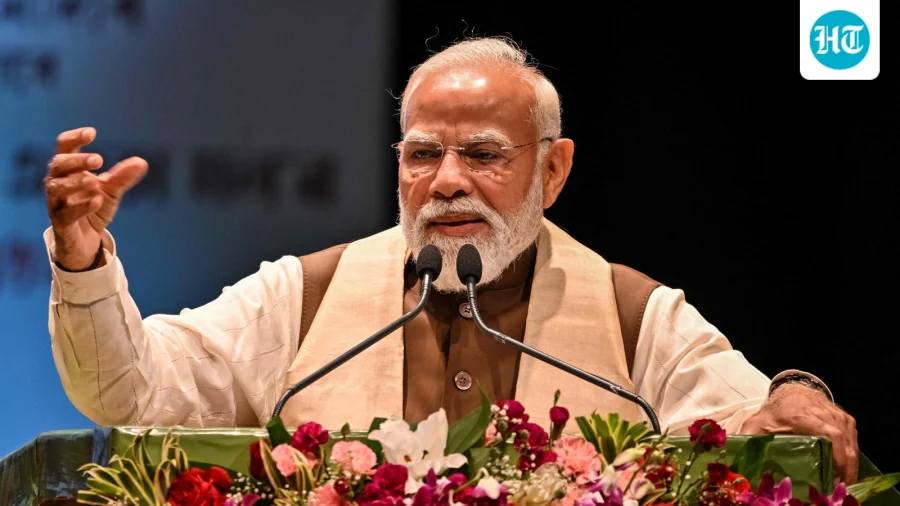
In a meeting that could reshape the daily lives of millions, Prime Minister Narendra Modi on Thursday pressed his council of ministers to accelerate next-generation reforms with a sharp focus on ‘ease of living’ for ordinary citizens. The directive, delivered during a high-level review, signals a major shift in governance priorities—moving beyond just economic metrics to how policies actually feel for the common person.
PM Modi’s Reform Push: What the Council of Ministers Meeting Revealed
According to sources cited by news agency PTI, PM Modi gave a broad outline of reform initiatives aimed at transforming India into a developed nation by 2047. The meeting, which brought together the entire council of ministers, was not just a routine review—it was a strategic call to action. The Prime Minister emphasized that next-generation reforms must be comprehensive, speedy, and directly improve the quality of life for citizens.
Why This Matters Right Now
For millions of Indians, ‘ease of living’ is not a bureaucratic term—it means shorter queues at government offices, faster approvals for permits, simpler tax filings, and better access to services. This push comes at a time when citizens are increasingly demanding efficiency and transparency. If implemented effectively, these reforms could reduce everyday frustrations, save time and money, and restore trust in public institutions. For businesses, it could mean less red tape and faster growth.
How the Meeting Unfolded
The meeting, chaired by PM Modi, was described by sources as a high-level deliberation on the roadmap for next-generation reforms. The Prime Minister is believed to have stressed the need for a holistic approach—one that touches everything from governance and economic policy to social welfare and infrastructure. The focus on ‘ease of living’ was a recurring theme, with ministers reportedly asked to identify bottlenecks in their respective departments and propose concrete solutions.
Who Is Affected and What Officials Are Saying
The impact of this push will be felt across every sector—from a farmer applying for a subsidy to a startup founder registering a company, and from a student seeking a scholarship to a senior citizen accessing healthcare. While no official statement has been released yet, sources indicate that ministers have been asked to align their departmental goals with the 2047 vision. The message is clear: reforms are no longer optional; they are the only path forward.
What We Know So Far — and What Remains Unclear
What we know: PM Modi chaired a council of ministers meeting focused on next-generation reforms and ‘ease of living’. The 2047 development vision was a central theme. Ministers were given a broad outline of reform initiatives.
What remains unclear: Specific timelines for implementation, the exact nature of the reforms, and which sectors will be prioritized first. Details on how ‘ease of living’ will be measured are also not yet public.
Risks, Concerns, and the Balanced View
While the ambition is commendable, experts caution that implementation remains the biggest challenge. India has a history of ambitious reform announcements that get bogged down by bureaucratic inertia, political opposition, or lack of coordination between the centre and states. There is also the risk of reforms being perceived as top-down, without adequate consultation with grassroots stakeholders. A balanced view suggests that while the direction is right, success will depend on execution, transparency, and sustained political will.
Why Similar Reform Efforts Are Gaining Momentum
This push is part of a global trend where governments are rethinking their role—from being gatekeepers to enablers. Countries like Estonia and Singapore have shown that digital governance and simplified regulations can dramatically improve citizen satisfaction. India’s own experience with initiatives like Digital India and GST has demonstrated both the potential and the pitfalls of large-scale reform. The current focus on ‘ease of living’ builds on these lessons, aiming to make government services more intuitive and less intimidating.
- The 2047 vision aims to make India a developed nation by the centenary of independence.
- Next-generation reforms are expected to leverage technology, data, and citizen feedback.
- ‘Ease of living’ is likely to be measured through indicators like time taken for service delivery, reduction in corruption, and citizen satisfaction scores.
"PM Modi gave a broad outline of the reform initiatives through which the country will become developed by 2047." — PTI, citing sources
What Readers, Citizens, and Businesses Should Know Now
For the average citizen, this means staying informed about upcoming changes in how government services are delivered. For businesses, it signals a potential reduction in compliance burdens and faster clearances. The key is to watch for specific policy announcements in the coming months. Citizens can also participate by providing feedback through government portals and public consultations. The success of these reforms will ultimately depend on how well they translate from policy papers to real-world improvements.
What Could Happen Next
In the near term, we can expect a series of task forces and committees to be formed to draft detailed reform proposals. Specific ministries may announce pilot projects in areas like land records, building permits, and social welfare distribution. The government may also introduce new legislation to streamline regulations. By the next budget, we could see concrete allocations for technology upgrades and process re-engineering. The long-term goal remains the 2047 vision, but the first tangible results could be visible within 12 to 18 months.
Our Take: Why This Story Matters Beyond One Meeting
This is not just another government meeting. It represents a fundamental shift in how the Indian government views its relationship with citizens. By prioritizing ‘ease of living’, the government is acknowledging that governance is not just about passing laws—it’s about how those laws affect real people. If executed well, this could be the most consequential reform push of the decade. If not, it risks becoming another unfulfilled promise. The stakes could not be higher.
FAQs
What are next-generation reforms in India?
Next-generation reforms refer to a new wave of policy and administrative changes aimed at making governance faster, simpler, and more citizen-friendly. They go beyond traditional economic reforms to focus on improving the daily lives of ordinary people through better services, reduced bureaucracy, and greater transparency.
How will ‘ease of living’ reforms affect the common citizen?
These reforms are designed to make government services more accessible and less time-consuming. Citizens can expect faster processing of applications, simpler forms, fewer visits to government offices, and more online services. The goal is to reduce frustration and save time for everyone.
What is the 2047 vision for India?
The 2047 vision is the government’s long-term plan to transform India into a developed nation by the 100th anniversary of its independence. It encompasses economic growth, social development, infrastructure, and governance reforms, with next-generation reforms being a key pillar of this vision.
When will these reforms be implemented?
While no specific timeline has been announced, the government is expected to begin rolling out reforms in phases. Some changes may be introduced within months, while larger structural reforms could take years. Citizens should watch for official announcements from ministries and government portals.