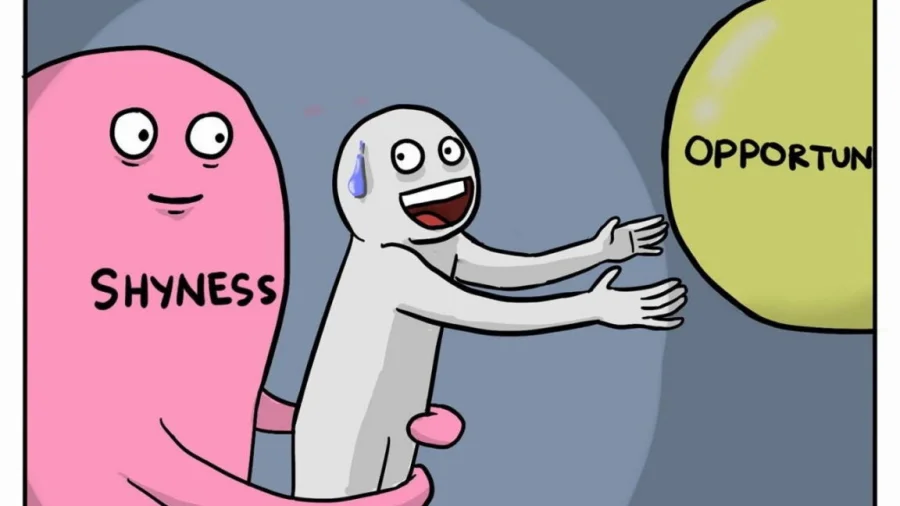
For millions of internet users, the "Running Away Balloon" comic is a beloved meme—a simple, relatable image of a character fleeing from a balloon that has been shared countless times since 2017. But for artist Elmer Saflor, who created it under the handle "Superelmer," that viral fame has turned into a legal battle. He is now suing an AI meme generator for selling his deeply personal comic as a paid ad template, arguing that the platform’s commercialization crosses a line he never intended.
How a Viral Meme Became a Legal Flashpoint
Saflor’s comic, which he originally posted online, quickly became a staple of meme culture, used by people to express feelings of escape, anxiety, or humor. However, the AI meme generator in question allegedly took the comic and offered it as a template for users to create ads—charging for access. Saflor told Ars Technica that while he loves that his work resonates with so many, the unauthorized commercial use is not acceptable. "Just because lots of people have copied it, that doesn’t mean it’s OK for an AI meme generator to commercialize my copyrighted meme," he said.
Why This Case Matters for Creators and AI Platforms
The lawsuit strikes at the heart of a growing conflict: the tension between meme culture, which thrives on sharing and remixing, and copyright law, which protects creators’ rights. AI meme generators, which use algorithms to rapidly scale the creation of memes from templates, are increasingly being scrutinized for using copyrighted material without permission. If Saflor wins, it could force AI platforms to rethink how they source and license content, potentially reshaping the meme economy.
The Story Behind the "Running Away Balloon" Comic
Saflor created the comic in 2017, drawing from a deeply personal place. The image of a character running away from a balloon was meant to capture a feeling of wanting to escape—something many people connected with. Over the years, it spread across social media, becoming a go-to meme for moments of frustration or relief. But for Saflor, the comic’s viral success was bittersweet; while he appreciated the recognition, he never intended for it to be used for profit by third parties.
Who Is Affected by This Legal Fight
This case affects a wide range of people: independent artists who see their work go viral without compensation, AI companies that rely on user-generated content, and everyday internet users who enjoy creating and sharing memes. If the court rules against the AI generator, it could lead to stricter licensing requirements for meme templates, potentially limiting the freewheeling nature of meme culture. Conversely, a ruling in favor of the AI platform could embolden other companies to commercialize viral content without permission.
What the Artist and AI Generator Are Saying
Saflor has been vocal about his stance, emphasizing that his lawsuit is not about stopping people from sharing his comic, but about preventing its unauthorized commercial use. The AI meme generator has not yet issued a public statement, but legal experts expect the company to argue that the use of the comic as a template falls under fair use, given its transformation into a meme. However, Saflor’s legal team counters that selling the template for ads is a clear commercial exploitation that goes beyond fair use.
What Copyright Law Says About Memes and AI
Copyright law generally protects original works, including comics, from unauthorized reproduction and commercial use. However, memes often exist in a gray area, as they are typically shared for non-commercial, transformative purposes. AI meme generators complicate this by automating the creation of memes from copyrighted templates and charging for access. Courts have yet to establish a clear precedent for this scenario, making Saflor’s case a potential landmark.
Confirmed Facts vs What Remains Unclear
Confirmed: Elmer Saflor created the "Running Away Balloon" comic in 2017. He has filed a lawsuit against an AI meme generator for selling it as a paid ad template. He told Ars Technica that he opposes the commercialization of his work without permission. Unclear: The specific name of the AI meme generator has not been disclosed. The exact legal arguments from the defendant are not yet public. The court’s timeline for a ruling is unknown.
Risks and Balanced View
While Saflor’s case has strong copyright grounds, critics argue that memes are inherently collaborative and that suing over their use could chill creative expression. Some legal analysts note that the AI generator may claim fair use, arguing that the comic was transformed into a new work. However, the commercial nature of the template—sold for ads—weakens that defense. The case also raises questions about whether AI platforms should be held liable for user-generated content that incorporates copyrighted material.
The Broader Trend: AI and Copyright Clashes
This lawsuit is part of a larger wave of legal battles between creators and AI companies. From visual artists suing image generators to authors challenging text-based AI, the core issue is the same: can AI platforms use copyrighted works without permission? The outcome of Saflor’s case could influence how these disputes are resolved, particularly for smaller creators who lack the resources to fight big tech companies.
What Creators and Internet Users Should Know
For artists, this case is a reminder to register copyrights for original works and monitor how they are used online. For internet users, it highlights the importance of understanding that not all viral content is free for commercial use. If you create memes, consider using only royalty-free or licensed templates to avoid legal issues. For AI platforms, the case underscores the need for transparent licensing practices to avoid costly litigation.
What Happens Next
The lawsuit is in its early stages, and a resolution could take months or years. If the court rules in Saflor’s favor, the AI generator may be required to remove the template and pay damages. A ruling against him could set a precedent that allows AI platforms to commercialize viral memes more freely. Either way, the case will likely be closely watched by creators, tech companies, and legal experts.
Our Take
This case is not just about one artist and one meme—it’s about the future of creative ownership in the age of AI. Saflor’s decision to sue is a bold move that challenges the assumption that viral content is free for anyone to monetize. While meme culture thrives on sharing, the line between community enjoyment and commercial exploitation must be drawn somewhere. This lawsuit could help define that line, offering clarity for creators and platforms alike. It’s a story that deserves attention, not just for its legal implications, but for what it says about the value of art in a digital world.
Frequently Asked Questions
What is the "Running Away Balloon" comic?
It’s a comic created by artist Elmer Saflor (Superelmer) in 2017, featuring a character running away from a balloon. It became a popular meme used to express feelings of escape or anxiety.
Why is the artist suing the AI meme generator?
Saflor is suing because the AI generator sold his copyrighted comic as a paid ad template without his permission, which he argues is unauthorized commercial use.
Can AI meme generators use copyrighted content?
Generally, using copyrighted content without permission for commercial purposes is illegal. However, fair use arguments may apply if the work is transformed. This case will test that boundary.
What could happen if the artist wins the lawsuit?
If Saflor wins, the AI generator may have to remove the template, pay damages, and potentially change its practices. It could also set a legal precedent for similar cases.