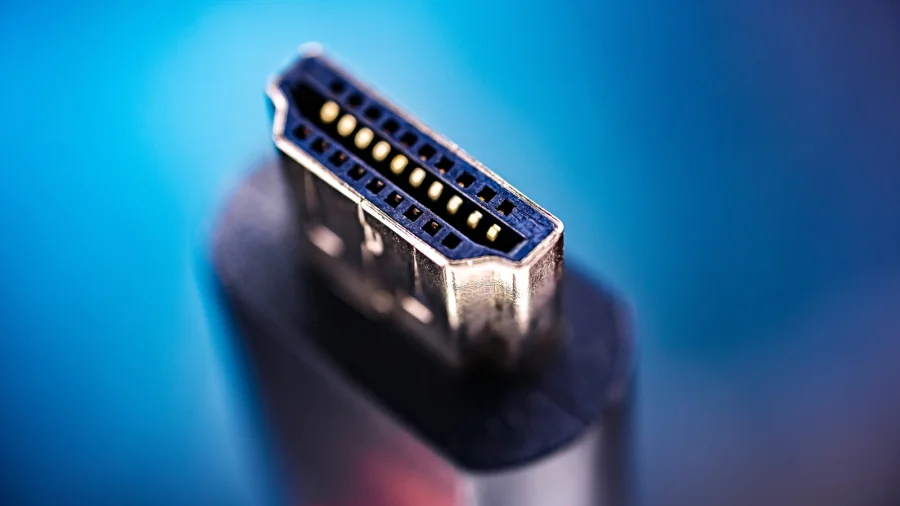
That ₹2,000 HDMI cable on the shelf promises "crystal-clear picture" and "lossless audio." The one next to it costs ₹300 and makes the same claims. Both are digital cables carrying the same ones and zeros. So why does one cost seven times more?
The Digital Signal Truth Most Shoppers Miss
HDMI cables transmit digital data — not analog signals that degrade gradually. Unlike older audio cables where quality could genuinely affect sound, HDMI either delivers the full signal or fails entirely. There is no in-between state where a pricier cable gives you a "slightly better" picture.
This fundamental difference means a ₹300 certified cable and a ₹3,000 luxury cable produce identical images on the same screen. The television processes the digital stream the same way regardless of which cable delivered it.
When a Cheap HDMI Cable Actually Fails
Budget cables do have limits, but they're not about picture quality. The real issue is bandwidth. A standard HDMI cable handles 1080p and basic 4K at 30Hz without trouble. Problems appear when you demand more — 4K at 120Hz for next-gen gaming, 8K resolution, or high dynamic range with wide color gamut.
In those scenarios, an older or uncertified cable may struggle to carry the data volume, causing flickering, black screens, or signal drops. That's when upgrading to a certified high-speed cable becomes necessary — not for better quality, but for basic functionality.
What You're Actually Paying For in Premium Cables
Open up a premium HDMI cable and you'll find the same copper wiring and connectors inside. The price difference comes from marketing, packaging, braided exteriors, gold-plated connectors, and brand positioning — not superior technology.
Gold-plated connectors offer marginal corrosion resistance, which matters only in humid environments over many years. Braided jackets add durability for frequent plugging and unplugging. Neither improves the signal your television receives.
The Certification Label That Actually Matters
Instead of price, look for the official HDMI certification label. The HDMI Licensing Administrator tests cables and certifies them for specific bandwidth ratings — Standard, High Speed, and Ultra High Speed. An Ultra High Speed certified cable guarantees 48Gbps bandwidth for 8K and 4K at 120Hz.
A certified cable from a budget brand performs identically to a certified cable from a premium brand. The certification is the only meaningful quality marker on the packaging.
Who Genuinely Needs to Spend More
Three groups benefit from paying extra: gamers with PS5 or Xbox Series X wanting 4K at 120Hz, home theater enthusiasts running cables longer than 10 meters, and early adopters investing in 8K televisions. These users need Ultra High Speed certified cables with higher bandwidth capacity.
Even then, "spending more" means choosing a certified cable over an uncertified one — not choosing a luxury brand. A certified cable from a value brand delivers the same performance as a premium-priced equivalent.
Who Can Safely Buy the Cheapest Option
Streaming Netflix or YouTube in 4K, watching cable television, connecting a laptop to a monitor, or using a standard Blu-ray player — all these work flawlessly with a basic High Speed certified cable. The data requirements are modest and well within budget cable capabilities.
Most Indian households fall into this category. A standard 4K streaming setup consumes far less bandwidth than what even entry-level certified cables can handle.
Confirmed Facts vs What Remains Unclear
Verified: HDMI is a digital interface where signal quality doesn't degrade with cable price. Verified: Certification indicates tested bandwidth capability. Verified: Premium cables use the same core technology as budget options.
Unclear: Whether gold-plated connectors provide meaningful longevity benefits in typical Indian household conditions. Unclear: How much durability difference exists between braided premium cables and standard budget cables over years of use.
The Retail Markup Reality
Electronics retailers often push premium HDMI cables because they carry the highest profit margins in the store. A cable that costs the retailer ₹150 might sell for ₹1,500 — a 900% markup. Television salespeople frequently bundle expensive cables with new TVs, implying the setup won't work properly without them.
This markup explains why sales staff are so enthusiastic about premium cables. The incentive is commission-driven, not performance-driven.
Risks and Balanced View
Budget cables do have legitimate failure points. Poorly manufactured connectors can fit loosely, causing intermittent signal loss. Uncertified cables claiming high bandwidth may not deliver it consistently. And very long cable runs — beyond 10 meters — genuinely benefit from higher-quality construction to prevent signal degradation.
Critics of the "cheap is fine" advice point to these edge cases. They're valid concerns, but they apply to uncertified budget cables, not all affordable options. A certified cable at a reasonable price addresses these risks without luxury markup.
The Broader Consumer Electronics Pattern
This isn't unique to HDMI cables. The same markup logic applies to expensive USB cables, premium Ethernet cables, and "audiophile" power cords. Digital interfaces have made cable quality largely binary — it works or it doesn't — yet marketing continues to exploit analog-era anxieties.
Understanding this pattern helps consumers make smarter decisions across all electronics purchases, not just HDMI.
Practical Buying Guidance
Check what your devices need before buying. A PS5 or Xbox Series X owner should look for Ultra High Speed certified cables. Everyone else — streamers, casual users, office setups — can safely choose a High Speed certified cable from any reputable brand.
Read the packaging for the official certification logo. Ignore marketing claims about "premium materials" and "enhanced picture." Match the cable specification to your device's output capability, and you'll never overpay again.
Future Outlook
HDMI technology continues evolving, with newer versions supporting higher bandwidths. As 8K content becomes mainstream and gaming pushes higher refresh rates, certification requirements will tighten. But the core principle remains — certified and capable matters, not expensive and branded.
Wireless video transmission technologies are also improving, potentially reducing cable dependence entirely in the coming years. Until then, the right certified cable at the right price remains the smart choice.
Our Take
The expensive HDMI cable industry thrives on consumer confusion about digital technology. The science is clear: digital signals don't degrade with cable price. The marketing is equally clear: premium positioning creates profit margins that budget cables can't match.
For the vast majority of Indian consumers, a certified cable in the ₹300–₹800 range delivers everything a ₹2,000+ cable promises. Spend the difference on better content, a larger television, or a streaming subscription — that's where picture quality actually improves.
Frequently Asked Questions
Do expensive HDMI cables improve picture quality?
No. HDMI cables transmit digital signals, so the picture quality is determined by your source device and television, not the cable. A certified budget cable produces identical image quality to an expensive one.
What HDMI cable do I need for 4K streaming?
A High Speed certified HDMI cable handles 4K streaming at 60Hz without issues. This is the most common category and available at budget prices from brands like AmazonBasics, Belkin, and local Indian manufacturers.
When should I buy an expensive HDMI cable?
Only when you need Ultra High Speed certification for 8K resolution, 4K at 120Hz gaming, or cable runs longer than 10 meters. Even then, choose a certified cable from a value brand rather than a luxury brand.
How can I tell if an HDMI cable is good quality?
Look for the official HDMI certification logo on the packaging. This indicates the cable has been tested and certified for specific bandwidth ratings. Brand name and price are not reliable indicators of quality.