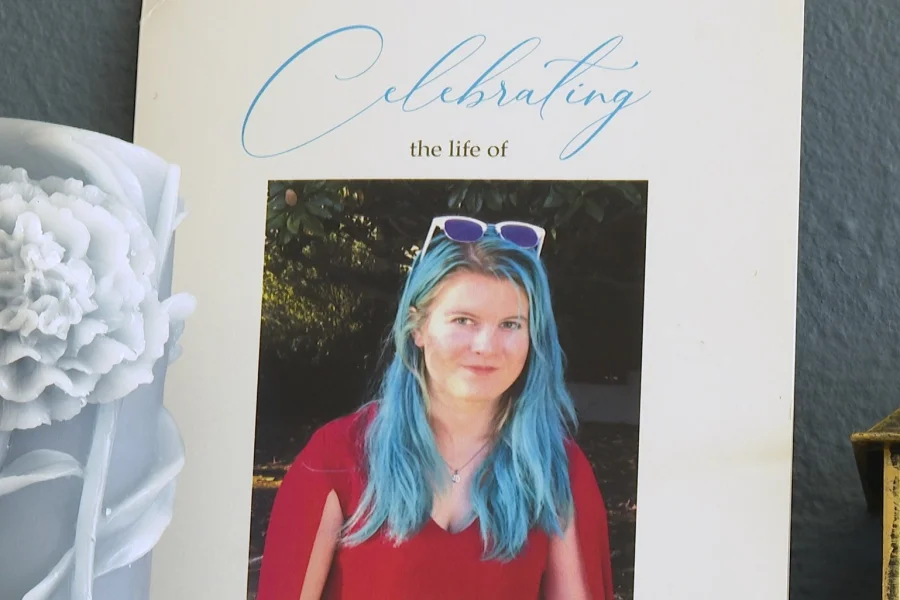
The call came at night, on a dark stretch of Southern California highway. Emily Normandin-Parker, 23, had ordered an Uber for herself and a friend. The driver pulled over. Moments later, she was struck and killed. On Friday, her parents revealed the price an arbitrator placed on that night: $40 million, and a landmark finding that Uber was "vicariously liable" for the driver's negligence.
A $40 Million Verdict, and a Family's Reluctant Mission
For Carol Normandin and Ken Parker, the money is not a victory. It is a tool. "I want to do good with it," Parker said Friday. "But I never wanted it. No parent would ever want it." The couple said they plan to use the award to advocate for stronger safety standards and transparency in the ride-hailing industry, hoping their daughter's death forces a public reckoning.
Why the "Tech Platform" Defense Just Failed
At the heart of the case was a question that has shadowed Uber for years: Is it a technology company that connects riders and drivers, or is it a transportation company responsible for what happens during a ride? The arbitrator rejected Uber's argument that it is merely a tech platform, finding the company vicariously liable for the driver's actions. That legal finding could ripple far beyond this single case, challenging the core of Uber's business model.
How the Night Unfolded
On the night she was killed, Normandin-Parker had ordered the Uber for herself and a friend. The driver pulled over along the highway. According to the family's account, she was fatally struck after exiting the vehicle. The specific reason the driver stopped, and the sequence of events that followed, remain details the family has not fully detailed publicly. What is clear is that an arbitrator determined the driver was negligent and that Uber shares legal responsibility.
The Human Cost Behind the Legal Terms
"Vicarious liability" is a cold legal phrase. For the Normandin-Parker family, it translates to a simple, devastating question: Who is responsible when the app you trust puts you in a car with a driver who makes a fatal mistake? The ruling suggests the answer is not just the driver, but the multibillion-dollar company that dispatched them. For riders across the country, it raises urgent questions about the safety standards and vetting processes of the services they use daily.
A Family's Plea for Industry Reform
Normandin and Parker said they hope the award will put a spotlight on their daughter's death and the broader issue of ride-hailing safety. "The best thing about it is that it's bringing attention to the issue that sorely needs attention," Parker said. Their advocacy goal is specific: to push for transparency and stronger safety standards, suggesting they believe the current system failed their daughter and could fail others.
What the Ruling Means for Uber and Its Riders
Uber has long built its business on the argument that it is a neutral marketplace. This ruling directly challenges that foundation. If upheld or cited in future cases, it could expose the company to greater legal and financial risk, potentially forcing changes to how it vets drivers, handles incidents, and classifies its workforce. For riders, it could mean a shift in the balance of power and accountability.
Confirmed Facts vs. What Remains Unclear
Confirmed: An arbitrator found Uber and its driver liable for the 2023 death of Emily Normandin-Parker. The family was awarded $40 million. The arbitrator rejected Uber's "tech platform" defense. The family plans to use the funds for advocacy.
Unclear: The specific evidence that led the arbitrator to find "vicarious liability." Whether Uber will appeal the decision. The exact circumstances that caused the driver to pull over on the highway. Uber has not issued a public statement on the ruling at this time.
The Gig Economy's Uncomfortable Question
This case is the latest and most financially significant flashpoint in a long-running global debate: What is a gig worker, and what does a company owe them and their customers? From California's Prop 22 to court battles in Europe, the lines between "platform" and "employer" are being redrawn. This arbitration award adds a powerful new data point—and a human face—to that fight.
What Riders and Drivers Should Consider Now
For riders, the case underscores the importance of being aware of your surroundings, especially during late-night trips or when a driver pulls over unexpectedly. For drivers, it is a reminder that their actions carry legal weight, and the companies they contract with may not always shield them from liability. For the industry, it is a signal that the "tech platform" defense is facing its most serious test yet.
The Road Ahead
Uber has not yet indicated whether it will challenge the arbitration award. The family's advocacy campaign is just beginning. The larger question—whether this ruling remains an isolated arbitration decision or becomes a legal precedent that forces a fundamental shift in the ride-hailing industry—is still open. What is certain is that a family's grief has now become a part of a national conversation about accountability.
Our Take
This story is not just about a $40 million award. It is about a legal system grappling with the consequences of a business model that has reshaped how millions of people move. The arbitrator's rejection of Uber's "tech platform" defense is a direct challenge to the company's core identity. While the specific facts of this tragedy are heartbreaking, the legal principle at stake—that a company cannot fully outsource its responsibility to the people who use its app—is one that will define the next era of the gig economy.
Frequently Asked Questions
What does "vicariously liable" mean in the Uber case?
It means the arbitrator found Uber legally responsible for the negligence of its driver, even though the driver is not a direct employee. This rejects Uber's argument that it is just a technology platform and not a transportation company.
How much was awarded to Emily Normandin-Parker's family?
The family was awarded $40 million. Her parents, Carol Normandin and Ken Parker, said they plan to use the money to advocate for stronger safety standards in the ride-hailing industry.
Will Uber appeal the arbitration ruling?
It is currently unclear whether Uber will appeal the decision. The company has not made a public statement regarding the ruling or its next legal steps.
What does this ruling mean for other Uber riders and drivers?
If the ruling is upheld or cited in future cases, it could set a precedent that makes Uber and similar companies more legally and financially responsible for driver conduct, potentially leading to changes in driver vetting and safety policies.