In a move that signals a new phase of political mobilization, the founder of the Cockroach Janta Party (CJP) held his first press conference on Tuesday, issuing a direct and open invitation to students and youth across the country to join a protest against the current education system. The message was clear: anyone troubled by the system is welcome, regardless of political background.
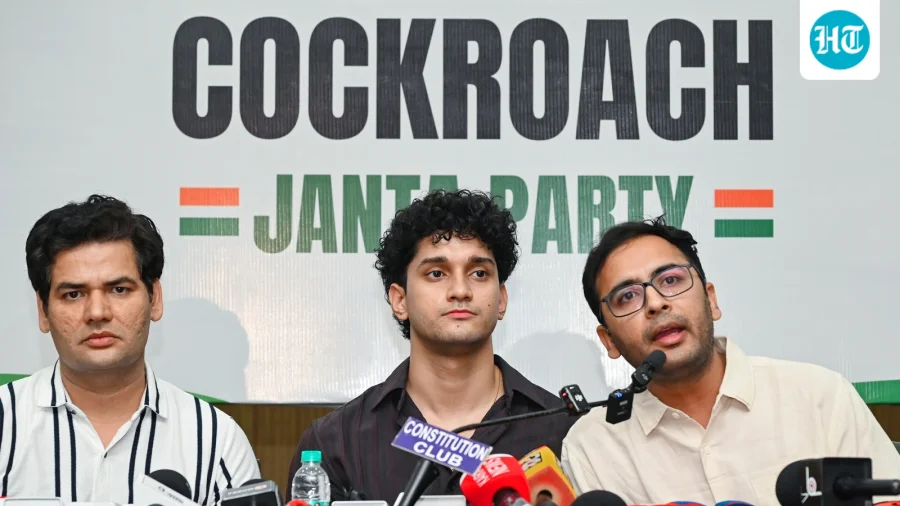
The press conference, held at the historic Constitution Club of India in New Delhi, also marked the introduction of the party’s newly appointed spokespersons, signaling a push for a more organized public presence.
Why This Open Call to Students and Youth Matters Right Now
This is not just another political announcement. The CJP’s invitation is aimed directly at a demographic that has been increasingly vocal about issues like unemployment, rising education costs, and perceived systemic failures. By opening the protest to “anybody,” the party is attempting to build a broad, non-partisan coalition of young people who feel unheard. For students and youth already frustrated with the status quo, this call could become a rallying point.
What Happened at the First CJP Press Conference
The event took place at the Constitution Club of India, a venue historically associated with political discourse and press briefings. The CJP founder addressed a room of journalists and supporters, outlining the party’s core grievances against the current education system. The highlight of the address was the direct appeal to students and youth: “Anybody can join. All students and youth who are troubled by this system will join this protest.” The target of the protest was explicitly named as Education Minister Dharmendra Pradhan.
Alongside the protest call, the party also unveiled its new team of spokespersons, a move seen as an effort to professionalize its communication and expand its reach beyond social media.
Who Is Affected and What the CJP Is Saying
The primary audience for this announcement is India’s vast student and youth population. The CJP is positioning itself as a voice for those who feel the current education framework is outdated, expensive, and unresponsive to modern needs. By inviting participation without political strings attached, the party is trying to tap into a deep well of apolitical frustration.
According to the CJP founder, the protest is not about party politics but about systemic change. The message is designed to resonate with young people who may be disillusioned with traditional political parties but are still looking for a platform to express their discontent.
What We Know So Far — and What Remains Unclear
What we know: The CJP has officially announced a protest targeting the Education Minister. The party has held its first press conference and appointed spokespersons. The invitation is open to all students and youth.
What remains unclear: The exact date, location, and scale of the planned protest have not been specified. It is also unclear how many students and youth will actually respond to the call, and whether the protest will remain peaceful or escalate. The party’s long-term strategy beyond this single protest is also not yet defined.
Risks, Concerns, and the Balanced View
While the CJP’s open invitation may energize some, there are significant risks. Protests involving large numbers of students can sometimes lead to clashes with authorities or disruptions to academic schedules. Critics may also question the party’s experience and organizational capacity to manage a large-scale movement. Furthermore, targeting a specific minister could be seen as personalizing a systemic issue, which may limit the protest’s broader appeal.
On the other hand, supporters argue that direct action is necessary to force accountability. The CJP’s approach of being non-partisan could help it avoid the factionalism that often plagues student politics.
Why Similar Student-Led Movements Are Gaining Attention
This protest call comes at a time when student activism in India is experiencing a resurgence. From issues of fee hikes to exam reforms and job reservations, young people have been increasingly willing to take to the streets. The CJP’s move taps into this existing energy, offering a structured outlet for frustration. The success of this protest could set a precedent for how new political entities engage with the youth demographic.
- The CJP is a relatively new political entity, often using unconventional branding to attract attention.
- The Constitution Club of India is a symbolic venue, often used for significant political announcements.
- The focus on the Education Minister suggests a targeted, policy-specific grievance.
“Anybody can join. All students and youth who are troubled by this system will join this protest.” — CJP Founder, at the press conference
What Students and Youth Should Know Now
For students considering participation, it is important to stay informed about the official date and venue of the protest, which is expected to be announced soon. Participants should be aware of their rights regarding peaceful assembly and should prioritize safety. It is also advisable to verify information through official CJP channels to avoid misinformation.
What Could Happen Next
The coming days will likely see the CJP announce specific protest details. The response from the Education Ministry and law enforcement will be crucial. If the protest attracts significant numbers, it could force a public debate on education policy. If it remains small, it may be dismissed as a fringe movement. Either way, the CJP has successfully put itself on the political map with this first press conference.
Our Take: Why This Story Matters Beyond One Protest
This is not just about one party or one minister. It is a reflection of a deeper, simmering discontent among India’s youth regarding the education system. Whether or not the CJP succeeds in mobilizing a large crowd, the very act of issuing an open, non-partisan invitation signals that young people are looking for new ways to be heard. This story is a bellwether for the changing dynamics of youth engagement in Indian politics.
FAQs
Who is the CJP and what do they want?
The Cockroach Janta Party (CJP) is a political entity that has called for a protest against the current education system, specifically targeting Education Minister Dharmendra Pradhan. They are inviting students and youth to join their movement.
Can anyone really join the CJP protest?
Yes, according to the CJP founder, the protest is open to “anybody,” especially students and youth who are troubled by the education system. There is no requirement for political affiliation.
When and where is the CJP protest happening?
The exact date and location of the protest have not been announced yet. The party is expected to release these details following the press conference. Stay tuned to official CJP channels for updates.
Why is the CJP targeting the Education Minister?
The CJP believes that the current education system under Minister Dharmendra Pradhan is failing students. They are holding him accountable for what they see as systemic issues like high costs, outdated curriculum, and lack of job opportunities.