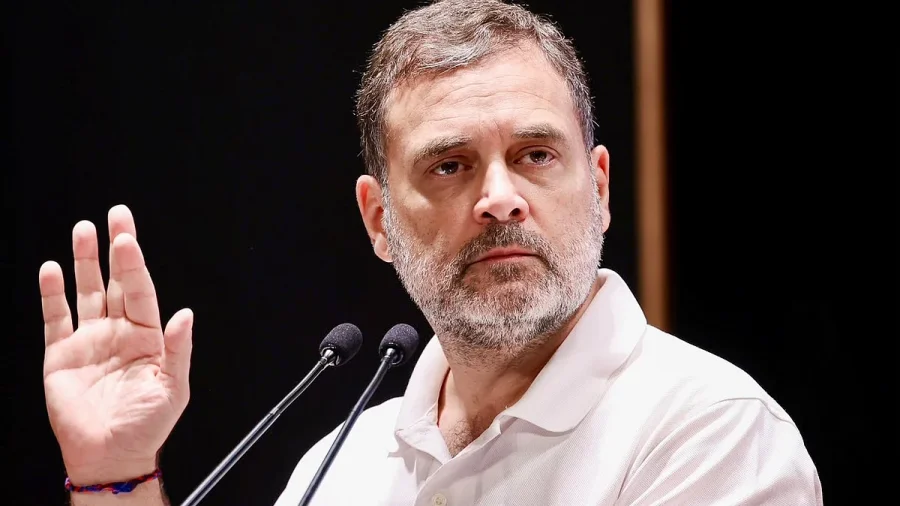
In a fiery speech that is already sending shockwaves through the political landscape, Rahul Gandhi on Wednesday accused the ruling BJP and its ideological parent, the RSS, of harboring a deep-seated “anti-Adivasi mindset.” The Leader of the Opposition didn’t just stop at criticism; he laid out a stark warning: the government is actively plotting to strip India’s tribal communities of their most fundamental rights—their land, their forests, and their water.
Speaking at the Adivasi Professionals Conclave 2026, organized by the Adivasi Congress at Indira Bhawan, Gandhi’s words were direct and charged with emotion. He framed the issue not as a policy debate, but as a battle for survival and identity.
Why This Attack on Tribal Rights Matters Right Now
This isn’t just another political speech. It strikes at the heart of a long-simmering conflict over India’s natural resources and the constitutional protections afforded to its most vulnerable communities. For millions of Adivasis across the country, the phrase “jal, jangal, zameen” (water, forest, land) is not a slogan—it is the very foundation of their existence, culture, and livelihood. Gandhi’s accusation that the BJP-RSS is eyeing these resources raises a critical question: Are the constitutional safeguards for tribal communities under threat?
What Rahul Gandhi Said at the Adivasi Conclave
“The BJP-RSS mindset is against Adivasis,” Rahul Gandhi declared, his voice carrying a tone of grave concern. He elaborated, alleging that there is a “systematic and active effort” to take away the rights of tribal communities over their natural resources. He positioned Adivasis as the “original custodians of India,” calling them the country’s deepest cultural roots.
The Congress leader’s central argument was that the ruling establishment views tribal land and forests not as sacred trusts, but as assets to be exploited. He warned that this “anti-Adivasi mindset” is not a fringe view but a core part of the BJP-RSS ideology.
What We Know So Far — and What Remains Unclear
What we know: Rahul Gandhi has publicly and forcefully accused the BJP and RSS of an anti-Adivasi stance. He has specifically linked this to a desire to control tribal land, forests, and water resources. The speech was delivered at a conclave of Adivasi professionals, signaling an attempt to mobilize educated tribal voices.
What remains unclear: The speech did not cite specific new legislation or government orders. It is unclear if Gandhi’s attack is based on a specific upcoming policy or a broader pattern of perceived neglect. The BJP’s official response to these specific allegations is also pending, though party spokespersons have historically dismissed such claims as divisive politics.
Risks, Concerns, and the Political Fallout
This attack carries significant political risk for both sides. For the Congress, it is a clear attempt to consolidate the tribal vote bank, a crucial constituency in several states. However, critics may argue it is a divisive tactic that pits communities against each other.
For the BJP, the accusation is a serious one. The party has often claimed to champion the cause of tribal welfare through various schemes. If Gandhi’s narrative gains traction, it could damage the BJP’s credibility among tribal populations, especially in states like Madhya Pradesh, Chhattisgarh, and Jharkhand, where tribal rights are a major electoral issue.
The core concern is whether this political rhetoric will translate into real-world consequences for tribal communities. If the debate escalates, it could lead to increased polarization and uncertainty around land rights and forest conservation policies.
Why the ‘Jal, Jangal, Zameen’ Debate is Growing Louder
The conflict over tribal land and resources is not new. For decades, Adivasi groups have protested against mining projects, dams, and industrial development that they say displaces them without adequate compensation. The Forest Rights Act of 2006 was a landmark law meant to address these historical injustices, but its implementation has been patchy and contested.
Gandhi’s speech taps into this deep well of frustration. By framing the issue as a direct attack by the BJP-RSS, he is attempting to give a political shape to a long-standing social and economic grievance. This trend of politicizing resource rights is likely to intensify as India’s economic growth pushes for more access to land and minerals.
- Historical Context: The Forest Rights Act (2006) aimed to recognize the rights of forest-dwelling communities.
- Ongoing Conflicts: Disputes over mining in Odisha, dams in Gujarat, and industrial corridors in Jharkhand are frequent.
- Political Mobilization: Tribal rights have become a key electoral issue, with parties from all sides vying for the Adivasi vote.
“Adivasis are the original custodians of India. They are the deepest cultural roots of this country. And the BJP-RSS wants to uproot them.” — Rahul Gandhi, at the Adivasi Professionals Conclave 2026
What Adivasi Communities and Voters Should Watch For
For tribal communities and those concerned with their rights, this political battle is a signal to stay vigilant. The key is to look beyond the rhetoric and focus on concrete actions.
Watch for any new bills or amendments related to the Forest Rights Act, land acquisition laws, or mining regulations. Pay attention to court cases involving tribal land claims. Most importantly, observe whether the government’s welfare schemes for tribal communities are being adequately funded and implemented.
What Could Happen Next in This Political Fight
The immediate fallout will likely be a war of words. The BJP is expected to counter by highlighting its own tribal welfare record and accusing the Congress of hypocrisy. The issue is almost certain to be raised in the upcoming Parliament session.
In the longer term, this could force a national conversation on the effectiveness of tribal rights protections. It may also lead to increased mobilization by Adivasi groups, who now have a powerful political voice amplifying their concerns. The next few months will be crucial in determining whether this is just a political flashpoint or the beginning of a more substantive policy debate.
Our Take: Why This Story is Bigger Than One Speech
Rahul Gandhi’s attack is a calculated political move, but it is rooted in a very real and painful reality for millions of Adivasis. The debate over “jal, jangal, zameen” is fundamentally a debate about who owns India’s resources and who gets to benefit from them. By bringing this conflict to the forefront of national politics, Gandhi has ensured that the question of tribal rights cannot be ignored. Whether this leads to meaningful change or just more political noise remains to be seen, but the conversation has been undeniably started.
FAQs
What did Rahul Gandhi say about the BJP and RSS regarding tribal rights?
Rahul Gandhi accused the BJP and RSS of harboring an “anti-Adivasi mindset” and systematically working to take away tribal communities’ rights over their land, forests, and water resources. He made these remarks at the Adivasi Professionals Conclave 2026.
What does ‘jal, jangal, zameen’ mean in the context of tribal rights?
‘Jal, jangal, zameen’ (water, forest, land) is a powerful phrase that represents the fundamental resources that are central to the life, culture, and livelihood of Adivasi (tribal) communities in India. It symbolizes their constitutional and traditional rights over these natural assets.
Why is Rahul Gandhi’s attack on the BJP-RSS significant for tribal communities?
The attack is significant because it brings the long-standing issue of tribal land and resource rights into the center of national political debate. It could lead to greater scrutiny of government policies and potentially mobilize tribal communities to demand stronger protections for their constitutional rights.
What is the BJP’s likely response to these allegations of an anti-Adivasi mindset?
The BJP is expected to strongly deny the allegations and counter by highlighting its own record on tribal welfare, including schemes for education, health, and economic development. Party leaders will likely accuse Rahul Gandhi and the Congress of playing divisive politics for electoral gain.