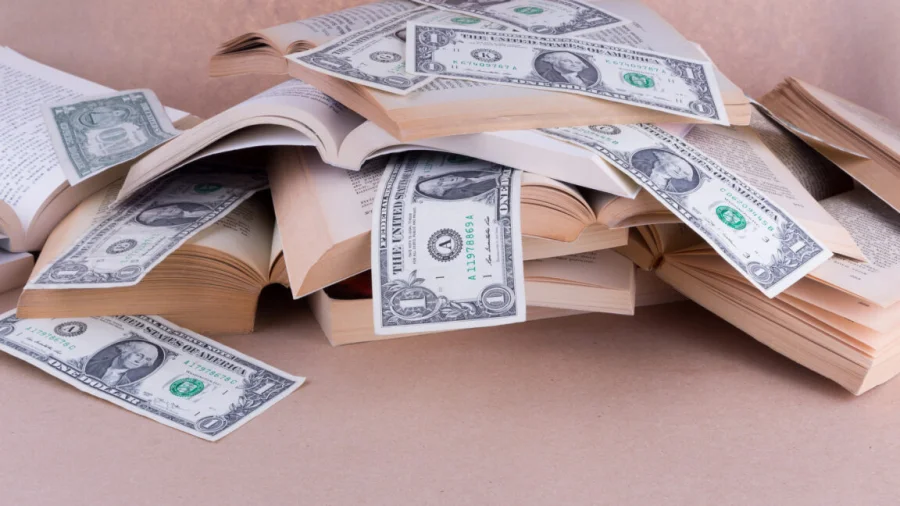
For thousands of authors, the question of whether their words were used to train artificial intelligence without permission has finally received a legal answer — and a price tag. On Monday, a US judge approved a $1.5 billion settlement between AI company Anthropic and a class of authors, closing the largest copyright class-action ever certified. The decision ends a case that has been watched closely by the publishing world, the tech industry, and anyone who creates content for a living.
Why the Settlement Matters for Every Writer and Publisher
This settlement is not just about one company or one group of authors. It sets a precedent for how AI companies may be held accountable for using copyrighted material to train their models. The $1.5 billion figure is the largest copyright settlement ever reached, signaling that courts are willing to assign significant financial consequences when AI training crosses legal lines. For authors, it means that their work has recognized value in the AI economy — even if the payout per work is modest.
How the Case Reached This Point: A Timeline of the Legal Battle
The case began when a class of authors sued Anthropic, alleging that the company had used their copyrighted books without permission to train its AI models. In a key ruling, the court found that training AI on books could be considered fair use — a significant win for AI companies. However, the court also ruled that Anthropic’s piracy of works was likely not protected by fair use, creating a legal gray area that the settlement was designed to resolve. The settlement was proposed in May, but some authors fought to block it, arguing that the terms were unfair.
Who Gets Paid and Who Walked Away: The $3,000 Per Work Reality
Under the settlement, most authors will receive an estimated $3,000 per work that was used in training. For many, this is a modest sum — far less than the damages they might have sought in individual lawsuits. Critics of the settlement argued that the payout was too low, especially given the scale of Anthropic’s use of the works. However, only 350 authors opted out of the settlement, choosing to pursue separate legal action in hopes of securing higher damages. The vast majority of authors accepted the settlement, likely recognizing the certainty of a payout versus the risk and cost of continued litigation.
Authors Who Opposed the Settlement: Why They Fought Back
A small but vocal group of authors opposed the settlement from the start. Their main arguments were that the lawyers’ fees were too high and that the per-work payout was too low. They also feared that the settlement would set a weak precedent, allowing AI companies to effectively license copyrighted works at a bargain price. Some authors who missed the opt-out deadline tried to challenge the settlement on procedural grounds, but the judge ultimately approved the deal as fair and reasonable.
What the Court Said: The Legal Reasoning Behind Approval
The judge who approved the settlement found that it was fair, adequate, and reasonable, meeting the legal standards for class-action settlements. The court considered the complexity and cost of continued litigation, the risks of trial, and the benefits of providing immediate compensation to authors. The approval also reflects the court’s view that the settlement serves the interests of the class as a whole, even if some individual authors are dissatisfied with the terms.
Confirmed Facts vs What Remains Unclear
Confirmed: The $1.5 billion settlement has been approved by a judge. Only 350 authors opted out. Most authors will receive an estimated $3,000 per work. The settlement resolves the largest copyright class-action ever certified. Unclear: The exact number of authors in the class and the total number of works covered. Whether the 350 authors who opted out will file separate lawsuits and what damages they might seek. The specific breakdown of lawyers’ fees versus author payouts. Whether this settlement will influence other pending AI copyright cases.
Anthropic’s Position in the AI Landscape: Why This Case Mattered
Anthropic is a leading AI company known for its focus on safety and responsible AI development. The company’s Claude models are among the most advanced in the industry. This settlement, while costly, allows Anthropic to resolve a major legal liability and continue its operations without the uncertainty of a prolonged trial. For the company, the settlement is a business decision — paying $1.5 billion to clear a legal cloud and maintain access to training data. For the AI industry, it sets a benchmark for the cost of using copyrighted material.
Risks and Balanced View: Concerns About the Settlement’s Impact
Critics argue that the settlement may encourage AI companies to treat copyright infringement as a cost of doing business, rather than seeking proper licenses upfront. They worry that the $3,000-per-work payout is too low to deter future infringement. Supporters of the settlement counter that it provides meaningful compensation to authors and avoids the uncertainty of trial. The settlement also leaves open the possibility that future cases could establish higher damages or clearer rules. The 350 authors who opted out will test whether individual lawsuits can achieve better outcomes.
Wider Trend: AI Companies Facing a Wave of Copyright Lawsuits
Anthropic is not alone in facing copyright challenges. OpenAI, Meta, and other AI companies are also being sued by authors, artists, and publishers over the use of copyrighted material in training data. This settlement is the first major resolution in this wave of litigation. It could serve as a template for other cases, or it could be seen as a weak compromise that fails to protect creators. The outcome of the 350 opt-out lawsuits will be closely watched for clues about the future of AI copyright law.
Practical Guidance for Authors and Creators
For authors whose works were used in AI training, this settlement provides a clear path to compensation — but only if they did not opt out. Authors who are concerned about future use of their work should consider registering their copyrights and monitoring how AI companies use publicly available content. For creators in other fields, this case highlights the importance of understanding how copyright law applies to AI training. Consulting with an intellectual property attorney may be advisable for those who believe their work has been used without permission.
Future Outlook: What Happens Next
The approved settlement will now move to the distribution phase, where authors will receive their payouts. The 350 authors who opted out are expected to file individual lawsuits, which could take years to resolve. Meanwhile, other AI copyright cases continue to move through the courts, and lawmakers in several countries are considering new regulations for AI training data. This settlement is unlikely to be the last word on the issue — it is more likely the beginning of a long legal and policy debate about the value of creative work in the age of AI.
Our Take
This settlement is a landmark moment, but it is not a clean victory for either side. For authors, the $3,000-per-work payout is a recognition that their work has value, but it is a fraction of what many believe they are owed. For Anthropic, the $1.5 billion price tag is a significant cost, but it buys legal certainty and the ability to continue operating. The real test will come from the 350 authors who chose to fight on — and from the broader legal and regulatory landscape that is still being shaped. This case shows that the courts are willing to hold AI companies accountable, but the question of fair compensation for creators is far from settled.
Frequently Asked Questions
What was the Anthropic copyright settlement about?
The settlement resolved a class-action lawsuit in which authors alleged that Anthropic used their copyrighted books without permission to train its AI models. The court had previously ruled that training AI on books could be fair use, but that piracy of works was likely not.
How much will authors get from the $1.5 billion settlement?
Most authors are expected to receive an estimated $3,000 per work that was used in training. The exact amount may vary depending on the number of works and authors in the class.
Why did only 350 authors opt out of the settlement?
The 350 authors who opted out believe they can secure higher damages by filing individual lawsuits. They were also critical of the settlement’s terms, arguing that lawyers’ fees were too high and author payouts too low.
What does this settlement mean for the future of AI and copyright?
This settlement sets a precedent for how AI companies may be held financially accountable for using copyrighted material. It could influence other pending cases and encourage lawmakers to create clearer rules for AI training data.