For years, voice assistants in cars have felt like a promise that never quite delivered. You’d ask for directions, and it would misunderstand. You’d try to send a message, and it would fumble. But Google’s latest move with Android Auto’s 2026 makeover changes that — and it’s not about flashy demos or sci-fi features. It’s about something far more valuable: making Gemini AI genuinely useful without making you take your eyes off the road.
What Android Auto’s 2026 Makeover Actually Changes
Google is rolling out a significant update to Android Auto that puts Gemini AI at the center of the driving experience. But unlike previous attempts that felt like tech demos, this one is designed around practicality. The core idea is simple: Gemini should help you drive better, not distract you more.
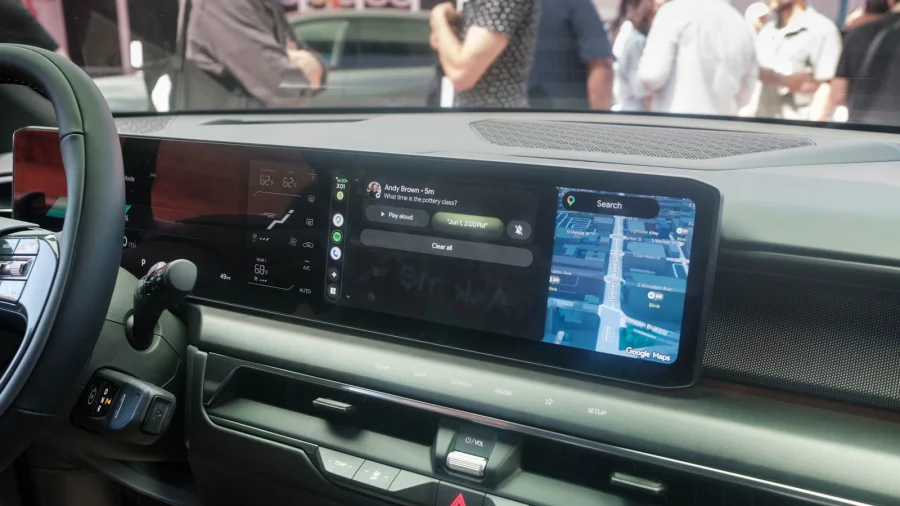
The update brings a redesigned Material 3 interface, immersive 3D navigation, and full HD YouTube support. But the real star is Gemini, which now works as a proactive, context-aware assistant that can handle complex tasks without requiring precise voice commands.
Why This Matters Right Now
Driving is already one of the most distracting activities we do. Adding more screens, more notifications, and more complex interfaces only makes things worse. Google’s challenge has always been to make in-car technology helpful without being dangerous. With Gemini’s 2026 makeover, the company is finally addressing that balance head-on.
For millions of Android Auto users, this means less time fiddling with menus and more time focusing on the road. It also means that AI assistance in cars might finally live up to the hype — not by doing more, but by doing less, and doing it better.
How Gemini AI Becomes Practical in Your Car
The key shift is that Gemini no longer requires you to speak in robotic, command-like phrases. Instead, it understands natural language and context. You can say things like, “Find a gas station on the way to work that’s open now,” and Gemini will handle the rest — routing, checking hours, and even suggesting the best stop based on traffic.
It also learns from your habits. If you always call your partner when you leave the office, Gemini might proactively ask, “Want me to call your partner?” without you having to say a word. This kind of subtle, helpful behavior is what makes the assistant feel less like a tool and more like a co-pilot.
Who Is Affected and What Officials Are Saying
This update affects anyone using Android Auto in a compatible vehicle. Google has confirmed that the new features will roll out gradually, starting with newer cars and select aftermarket head units. The company emphasized that safety remains the top priority, with all new features designed to minimize driver distraction.
According to Google’s official blog, the goal is to “make driving safer and more enjoyable by reducing the cognitive load on drivers.” Early reviews from tech publications suggest that the Gemini integration is a significant step forward, with many noting that it finally feels like an assistant that understands what you need.
What We Know So Far — and What Remains Unclear
What’s confirmed: Gemini AI will be deeply integrated into Android Auto’s core functions, including navigation, messaging, and media control. The immersive 3D navigation is also confirmed, offering a more realistic view of streets and landmarks. Full HD YouTube support is coming, but only when the car is parked.
What remains unclear: The exact rollout timeline for different car models and regions. Google has not yet specified which countries will get the update first, or whether older Android Auto units will support all features. Pricing and subscription models for premium Gemini features also haven’t been announced.
Risks, Concerns, and the Balanced View
While the update is promising, it’s not without risks. The biggest concern is that more capable AI could lead to more distraction, not less. If Gemini starts offering too many proactive suggestions, it could overwhelm drivers. There’s also the question of privacy: Gemini will need access to your location, habits, and personal data to work effectively, which raises valid concerns about data security.
Critics also point out that voice assistants in cars have historically been unreliable. Even with Gemini’s improvements, there’s no guarantee it will work perfectly in every situation — especially in noisy environments or with strong accents. Google will need to prove that the system is robust enough for real-world driving conditions.
Why Similar Trends Are Growing
Google isn’t alone in trying to make AI assistants more practical in cars. Apple is reportedly working on a more context-aware Siri for CarPlay, and Amazon has been integrating Alexa into vehicles for years. The trend is clear: the future of in-car technology is not about bigger screens, but smarter, more intuitive assistants that reduce cognitive load.
This shift reflects a broader industry realization that drivers don’t want more features — they want fewer distractions. The companies that succeed will be those that make AI feel invisible, helpful, and safe.
- Gemini AI can now handle multi-step requests like “Find a coffee shop near my next meeting and send the address to my colleague.”
- The new interface uses Material 3 design principles, making it cleaner and easier to read at a glance.
- Immersive navigation shows 3D landmarks and buildings, making it easier to recognize your surroundings.
“The best assistant is the one that quietly removes two or three small annoyances from your day without you even noticing.” — Reddit user on Gemini Android Auto
What Drivers Should Know Now
If you’re an Android Auto user, here’s what you can do to prepare for the update:
First, make sure your phone and car are compatible. The update will likely require Android 14 or later and a car that supports the latest Android Auto version. Second, keep an eye on Google’s official announcements for rollout details in your region. Third, consider updating your voice commands — Gemini works best with natural language, so try speaking to it like you would to a person.
For those concerned about privacy, review your Google account settings to control what data Gemini can access. You can limit location tracking and personalization if you prefer a less intrusive experience.
What Could Happen Next
If this update succeeds, it could set a new standard for in-car AI assistants. Google may expand Gemini’s capabilities to include more proactive features, like suggesting alternate routes based on your calendar or reminding you to pick up groceries on the way home. The company could also introduce premium tiers with advanced features, though that might alienate some users.
Long-term, this could pave the way for deeper integration with electric vehicles, smart home devices, and even autonomous driving systems. For now, though, the focus is on making the driving experience safer and less stressful — one small, helpful interaction at a time.
Our Take: Why This Story Matters Beyond One Update
Android Auto’s 2026 makeover is more than just a software update. It represents a fundamental shift in how we think about AI in our daily lives. For years, AI assistants have been either too simple to be useful or too complex to be practical. Gemini’s approach — being proactive, context-aware, and unobtrusive — could be the model for how AI integrates into other areas of life, from smart homes to workplaces.
The real test will be execution. If Google can deliver on its promise of a genuinely helpful assistant that doesn’t add to the noise, it will have achieved something rare in tech: making AI feel less like a gimmick and more like a genuine improvement to everyday life.
FAQs
What is the Android Auto 2026 Gemini makeover?
It’s a major update to Android Auto that integrates Google’s Gemini AI as a proactive, context-aware assistant. The update also includes a redesigned interface, immersive 3D navigation, and full HD YouTube support. The goal is to make driving safer and more convenient by reducing distraction.
How does Gemini AI make driving safer in Android Auto?
Gemini reduces the need for manual interaction by understanding natural language and anticipating your needs. It can handle complex requests like finding a gas station on your route or sending a message without requiring precise voice commands. This allows you to keep your hands on the wheel and eyes on the road.
When will the Android Auto 2026 update be available?
Google has not announced a specific release date, but the update is expected to roll out gradually starting in 2026. Availability will depend on your car model, region, and phone compatibility. Keep an eye on official Google announcements for details.
Will the Android Auto 2026 update work on older cars?
Compatibility will vary. Newer cars with built-in Android Auto support are likely to get the update first. Some aftermarket head units may also be compatible, but older units may not support all features, especially the immersive 3D navigation and advanced Gemini AI functions.