What began as a seemingly light-hearted moment between Prime Minister Narendra Modi and Italian Prime Minister Giorgia Meloni has now exploded into one of the most bitter political firestorms of the year. The Congress party, led by Rahul Gandhi, has launched a blistering attack, calling PM Modi and Home Minister Amit Shah ‘traitors’ over the viral ‘Melody’ video. But the BJP has wasted no time in striking back, branding Rahul Gandhi an ‘anarchist’ and ‘frustrated’ — and the war of words is only getting louder.
The ‘Melody’ Moment That Sparked a Political Earthquake
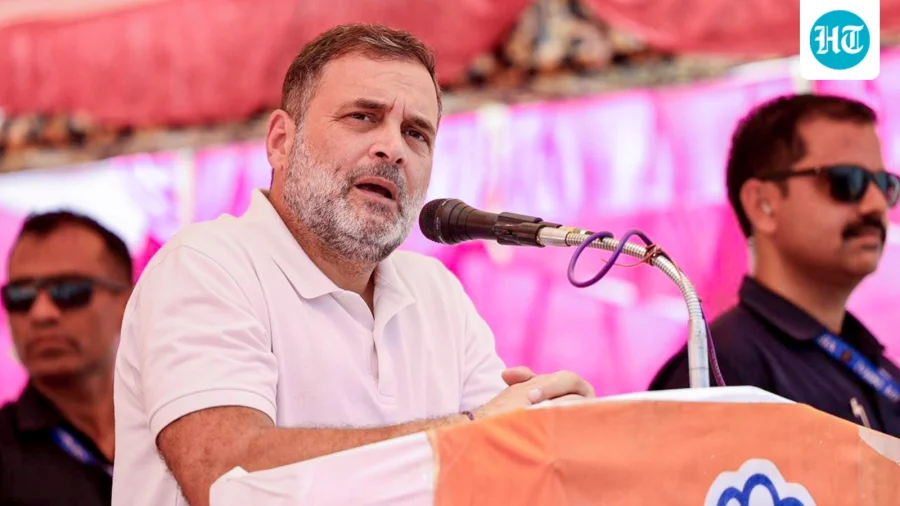
The controversy began when a video clip from PM Modi’s recent visit to Italy went viral. In the footage, the Prime Minister is seen offering what appeared to be a piece of candy or toffee to Italian PM Giorgia Meloni. The gesture, which many initially saw as a friendly and informal exchange, was quickly seized upon by the opposition. Rahul Gandhi, in a sharp and emotional speech, accused PM Modi of “humiliating” India on the global stage and called both the Prime Minister and Amit Shah “traitors” for what he described as a “shameful act.”
Why This Matters Right Now
This is not just another political spat. The use of the word ‘traitor’ — one of the most charged accusations in Indian politics — has escalated the conflict to a dangerous new level. For millions of Indians watching, this clash raises serious questions about the tone of political discourse, the health of democratic debate, and the personalization of national representation. The ‘Melody’ video has become a symbol of a deeper divide: is it a harmless cultural moment, or a diplomatic embarrassment? The answer depends entirely on which side you ask — and the battle for that narrative is now raging across news channels, social media, and living rooms.
How the Political Clash Unfolded
The sequence of events was swift and explosive. On Wednesday, Rahul Gandhi addressed a press conference where he directly attacked PM Modi over the viral clip. “This is not a joke. This is a betrayal of the nation’s dignity,” he said, according to reports. He then went a step further, labeling PM Modi and Amit Shah as ‘traitors’ — a term that immediately drew sharp reactions. The Congress party’s official social media handles amplified the message, using hashtags and sharing the video with critical commentary.
Within hours, the BJP responded with equal ferocity. Party spokespersons and senior leaders took to the airwaves, accusing Rahul Gandhi of being an “anarchist” who is “frustrated” by his party’s electoral failures. “Rahul Gandhi has lost all sense of responsibility. He is an anarchist who only knows how to spread chaos and negativity,” a senior BJP leader said. The party also released a statement calling the Congress attack “baseless” and “a sign of desperation.”
Who Is Affected and What Officials Are Saying
The immediate impact is being felt across the political spectrum. For the Congress, this is an attempt to regain lost ground by painting the Modi government as diplomatically inept. For the BJP, it is a chance to portray Rahul Gandhi as an irresponsible and destabilizing force. But the real audience is the Indian public — voters who are increasingly being asked to choose between two sharply different versions of national pride.
Official responses have been predictably polarized. While Congress leaders have defended Rahul Gandhi’s remarks as a legitimate critique of the Prime Minister’s conduct, BJP leaders have called for an apology. “This is not how a former Prime Minister’s son should behave. He is insulting the nation,” a BJP spokesperson said. Meanwhile, neutral analysts have pointed out that the use of the word ‘traitor’ could have legal and political consequences, as it borders on defamation and sedition.
What We Know So Far — and What Remains Unclear
What is confirmed is that Rahul Gandhi made the ‘traitor’ remark in a public speech, and that the BJP has officially responded by calling him an ‘anarchist’. The viral video of PM Modi and Giorgia Meloni is authentic and widely circulated. However, what remains unclear is the exact context of the gesture — whether it was a planned diplomatic interaction or a spontaneous moment. Neither the Prime Minister’s Office nor the Italian embassy has issued an official clarification. Additionally, it is uncertain whether this controversy will lead to any formal legal action or parliamentary proceedings.
Risks, Concerns, and the Balanced View
This political clash carries significant risks for both parties. For the Congress, the danger is that the ‘traitor’ label may backfire, alienating moderate voters who see it as an overreach. For the BJP, the risk is that the ‘anarchist’ tag may be seen as an attempt to silence legitimate opposition. From a balanced perspective, the incident highlights a growing trend in Indian politics: the weaponization of viral moments for partisan gain. While the Congress sees the video as evidence of diplomatic failure, the BJP views it as a harmless cultural exchange. The truth likely lies somewhere in between — but in today’s polarized environment, nuance is often the first casualty.
Why Similar Political Firestorms Are Becoming More Common
This is not an isolated incident. In recent years, viral videos, social media clips, and even single photographs have sparked massive political controversies in India. From handshakes to gestures, every public action by a leader is now scrutinized, analyzed, and weaponized. This trend is driven by the 24/7 news cycle, the rise of social media algorithms that reward outrage, and a deeply polarized electorate. The ‘Melody’ moment is just the latest example of how a few seconds of footage can dominate national headlines for days.
- Rahul Gandhi’s ‘traitor’ remark is one of the strongest personal attacks against PM Modi in recent memory.
- The BJP’s ‘anarchist’ response signals a strategy to delegitimize the opposition’s critique.
- The viral video has been viewed millions of times across platforms, amplifying the political divide.
“Rahul Gandhi has lost all sense of responsibility. He is an anarchist who only knows how to spread chaos and negativity.” — Senior BJP Leader
What Readers and Voters Should Know Now
For the average Indian, this controversy is a reminder of how quickly political narratives can shift. If you are following this story, it is important to verify the original video and its context before forming an opinion. Both sides are using the clip to push their own agendas. The key question to ask is: does a single gesture define a nation’s diplomatic standing? Or is this a case of political overreaction? The answer will shape how you view not just this incident, but the broader state of Indian political discourse.
What Could Happen Next
The immediate future is likely to see more heated exchanges. The Congress may demand a formal apology or a parliamentary discussion on the Prime Minister’s conduct abroad. The BJP, in turn, may escalate its attacks on Rahul Gandhi’s credibility and his family’s political legacy. There is also a possibility that the controversy could die down as quickly as it erupted, replaced by the next viral moment. However, the use of the word ‘traitor’ has set a new benchmark for political aggression, and its echoes may be felt in upcoming elections and debates.
Our Take: Why This Story Matters Beyond One Video
This is not just about a toffee or a melody. It is about the state of Indian democracy, where every action is a potential weapon and every word is a potential indictment. The ‘Melody’ moment has become a mirror reflecting the deep polarization in Indian politics. While the Congress sees it as a symbol of national embarrassment, the BJP sees it as a symbol of personal vendetta. The truth, as always, is more complex. But one thing is clear: in the battle for narrative control, there are no winners — only casualties of trust.
FAQs
What is the ‘Melody’ video controversy about?
The controversy stems from a viral video of PM Modi offering a piece of candy or toffee to Italian PM Giorgia Meloni during his Italy visit. Rahul Gandhi and the Congress party criticized the gesture, calling it a diplomatic embarrassment and labeling PM Modi and Amit Shah as ‘traitors’.
Why did the BJP call Rahul Gandhi an ‘anarchist’?
The BJP responded to Rahul Gandhi’s ‘traitor’ remark by calling him an ‘anarchist’ and ‘frustrated’. The party accused him of spreading chaos and negativity, and of being irresponsible in his criticism of the Prime Minister.
What are the political implications of this clash?
This clash has escalated political discourse to a new level of aggression. The use of the word ‘traitor’ could have legal and political consequences, and it highlights the deep polarization in Indian politics. It also raises questions about how viral moments are weaponized for partisan gain.
Is the ‘Melody’ video authentic?
Yes, the video is authentic and has been widely circulated. However, the exact context of the gesture — whether it was a planned diplomatic interaction or a spontaneous moment — remains unclear, as no official clarification has been issued by the Prime Minister’s Office or the Italian embassy.