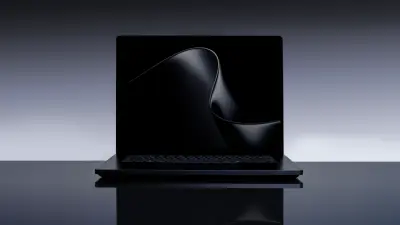
Amazon just moved one step closer to putting an AI assistant in your pocket — and on your body. Bee, the company Amazon acquired, has launched its first new devices under its new owner: an updated AI wearable and a credit-card-sized recorder that clips onto a smartphone. Prices start at $74.99.
Both devices are built around a single promise: they listen, remember, and organise — so you don't have to.
What Bee's Two New Devices Actually Do
According to the launch details, the updated wearable and the slim phone-attached recorder share the same core function. They capture conversations, summarise them, and turn spoken intent into to-do lists.
They also integrate with Alexa and Amazon shopping — a detail that matters more than it first appears. It means Bee isn't just a standalone gadget; it's a new front door into Amazon's ecosystem.
Why a $74.99 Price Tag Is the Real Story
AI hardware has a graveyard problem. Humane's AI Pin and the Rabbit R1 both launched to hype and faded under criticism. Most failed on price, usefulness, or both.
Bee's entry point undercuts that pattern. At $74.99, this isn't a luxury experiment — it's an impulse-adjacent purchase, closer to a smart speaker than a smartphone. That pricing is a deliberate bet that adoption beats prestige.
From Acquisition to Product: How Bee Got Here
Bee built its reputation on a simple wearable that recorded and summarised daily conversations. Amazon acquired the company, and this launch is the first visible output of that deal.
The strategic logic is straightforward: Amazon already owns the home (Echo), the cloud (AWS), and the checkout (Amazon shopping). Bee adds the one surface it didn't control — what happens in your day, away from a screen.
Who This Is Actually For
Think of the people who live in meetings, lectures, or client calls. Students recording seminars. Salespeople tracking follow-ups. Journalists, founders, and anyone who forgets what they promised someone an hour ago.
For them, a device that quietly produces a summary and a task list is genuinely useful — not a novelty. For everyone else, the value depends entirely on whether the convenience outweighs the discomfort of wearing a recorder.
Amazon's Silence on the Awkward Questions
At the time of writing, no detailed official statement was available on the specifics that matter most: how long recordings are stored, where they're processed, whether a subscription is required, and how consent is handled when others are recorded.
That silence isn't unusual for a launch announcement — but it's the gap every potential buyer should watch. Until Amazon and Bee publish clear answers, treat privacy terms as unconfirmed.
What's Confirmed — and What Isn't
Confirmed: Two new Bee devices, an updated wearable and a credit-card-sized phone recorder, with conversation summaries, to-do lists, and Alexa plus Amazon shopping integration. Pricing starts at $74.99.
Unclear: Exact ship dates, available markets, India availability, subscription costs, battery life, storage limits, and data-retention policy. None of these should be assumed.
Why Amazon Wants to Own Your Ambient AI
Amazon's advantage isn't the hardware — it's the ecosystem. Alexa already sits in millions of homes. Amazon shopping already holds payment details and purchase history.
A Bee device that summarises a conversation and then acts on it — ordering, reminding, scheduling — turns Amazon from a place you visit into an assistant that follows you. That's the moat: distribution plus commerce, not a clever microphone.
The Risks Amazon Can't Design Away
Always-on recording devices carry a social cost that specs sheets don't capture. People behave differently when they know they're being recorded — and in many places, recording a conversation without consent carries legal risk.
There's also the trust problem. Any high-profile data mishandling would damage not just Bee, but Amazon's broader AI ambitions. And rivals — Google, Apple, OpenAI-backed hardware — are moving in the same direction, which means Bee's head start may be short.
The Bigger Pattern: AI Is Leaving the Screen
For two years, the AI race happened inside apps and browsers. Now it's moving onto bodies and into rooms — wearables, pins, recorders, glasses.
Bee's launch is a small product event with a large signal: the next platform fight isn't about which chatbot is smartest. It's about which company is allowed to be present when your day actually happens.
What You Should Do Before Buying
If you're considering a Bee device, wait for three things: confirmed shipping dates, a clear privacy and data-retention policy, and clarity on whether a subscription is needed for full features.
If you're in India, don't assume availability or pricing — the $74.99 figure is a starting price, and local taxes, import duties, and launch timing are unconfirmed.
What Happens Next
Expect Amazon to lean hard on Alexa integration as the differentiator, and expect competitors to respond with their own ambient AI hardware within the year.
The real test won't be the launch coverage. It'll be whether people keep wearing these devices after the first month — and whether the privacy conversation gets answered before regulators ask it for them.
Our Take
Bee's new devices aren't revolutionary hardware. They're a distribution play — Amazon using cheap, useful AI gadgets to extend Alexa and Amazon shopping into the parts of your day no screen currently owns.
At $74.99, the price is the smartest thing about this launch. It lowers the barrier enough that curiosity can beat scepticism. But the unanswered privacy questions are the same ones that sank earlier AI wearables, and Amazon hasn't addressed them yet. This is a promising start, not a proven one.
Frequently Asked Questions
What did Amazon's Bee launch?
Bee launched two new personal AI devices: an updated AI wearable and a credit-card-sized recorder that attaches to a smartphone. Both summarise conversations, create to-do lists, and integrate with Alexa and Amazon shopping.
How much do the new Bee devices cost?
Pricing starts at $74.99. That is a starting price — final costs may vary by model, region, taxes, and any subscription requirements, which have not been fully confirmed.
Are the Bee devices available in India?
There is no confirmed information yet on India availability, local pricing, or launch dates. Readers should wait for an official Amazon or Bee announcement before assuming availability.
Do Bee devices record conversations?
Yes — their core function is capturing and summarising conversations. However, detailed data-retention, storage, and consent policies have not been officially confirmed, so privacy terms should be treated as unclear until Amazon publishes them.
How is Bee different from Alexa?
Alexa lives in your home and responds to commands. Bee is designed to travel with you, passively capture your day, and turn it into summaries and tasks — then hand off to Alexa and Amazon shopping for action.