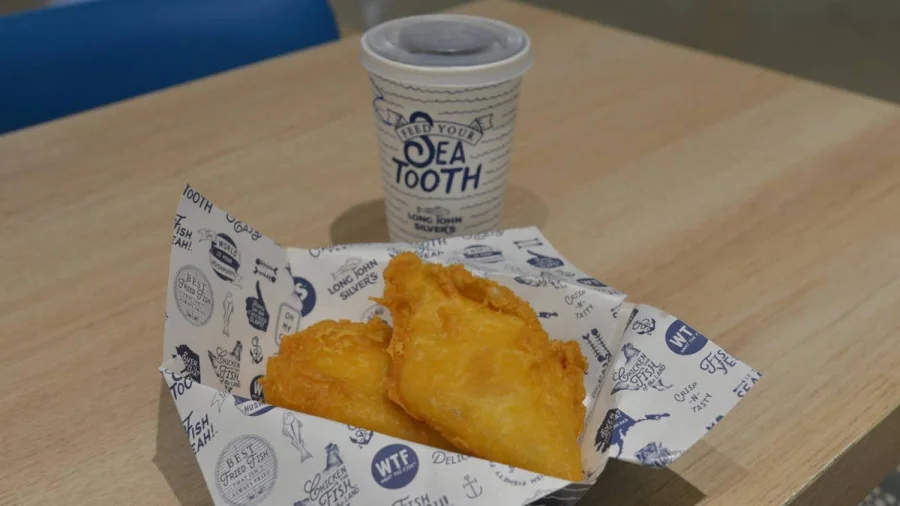
For a brand that once dotted highway exits across America, the numbers are stark. Long John Silver’s has closed more than 1,000 restaurants in recent years — including a massive wave of roughly 706 locations in a single restructuring. But after the dust settled, the company says it finally sees clear sailing.
The scale of the closures: what actually happened
The closures were not a single event but a series of moves over several years. The most dramatic came when the chain shuttered approximately 706 locations, many of them co-branded units with KFC or other Yum! Brands siblings. Another 59 closures followed in a later round. In total, the seafood chain eliminated well over 1,000 restaurants from its system.
Franchisee bankruptcies also played a role. One major franchisee filed for Chapter 7 bankruptcy, forcing additional closures and putting hundreds of workers out of jobs.
Why the seafood chain had to shrink so dramatically
The fast-food seafood segment has been under pressure for years. Changing consumer tastes, rising competition from chicken and burger chains, and the operational complexity of fried seafood all contributed. Long John Silver’s, once a powerhouse with thousands of locations, found itself with too many underperforming stores in declining markets.
Industry analysts say the brand’s reliance on co-branded locations with KFC also created problems. When KFC wanted to reclaim those spaces or shift strategy, Long John Silver’s lost prime real estate.
Who was affected by the restaurant closures
The human toll is significant. Thousands of employees lost jobs as locations shut down. Franchisees who had invested life savings into their restaurants faced financial ruin. In many small towns, the closure of a Long John Silver’s meant the loss of one of the few affordable dining options.
Customers who grew up with the brand — Friday night fish fries, hushpuppies, the iconic yellow cups — suddenly found their local store gone.
What the company says now: clear sailing ahead
Despite the brutal downsizing, Long John Silver’s leadership has struck an optimistic tone. In statements to franchisees and industry media, the company described the restructuring as necessary surgery. “We now have a leaner, more focused business,” one executive said. “The path ahead is clear.”
The chain is reportedly focusing on its strongest franchise operators and most profitable markets. New menu items and store remodels are being tested, though on a much smaller scale than in the past.
What the closures mean for the fast food industry
Long John Silver’s story is not unique. Other legacy chains — from Boston Market to Friendly’s — have faced similar struggles. The fast-food industry is consolidating, with scale and brand power becoming more important than ever. Mid-sized chains without a clear identity are being squeezed.
Captain D’s, a competitor, has also closed locations but has managed to maintain a stronger position through better real estate choices and menu innovation. The contrast highlights how execution matters as much as brand heritage.
Confirmed facts vs what remains unclear
Confirmed: Long John Silver’s closed over 1,000 restaurants. A franchisee filed for Chapter 7 bankruptcy. The company has publicly stated it sees a positive future.
Unclear: Exact current store count. Whether the chain is profitable. Whether further closures are planned. The company has not released detailed financials.
Speculation: Some industry watchers believe the brand could eventually disappear entirely, but there is no evidence to support that claim.
Long John Silver’s moat: what the brand still has going for it
Despite the closures, Long John Silver’s retains some advantages. Its brand recognition remains high among older consumers. The chain’s fried fish and hushpuppies have a nostalgic appeal that few competitors can match. Its supply chain for seafood, while smaller, still exists.
However, these moats are narrowing. Younger consumers show less loyalty to legacy fast-food brands, and the health-conscious trend works against fried seafood.
Risks and balanced view
The optimistic outlook from the company should be viewed with caution. Many chains that have undergone similar restructurings have eventually closed entirely. The fast-food industry is unforgiving to brands that lose relevance.
Critics argue that Long John Silver’s has not done enough to modernize its menu or marketing. The brand’s core offering — fried fish and chips — faces competition not just from other fast-food chains but also from grocery store deli counters and frozen food aisles.
Wider trend: the shrinking of mid-market fast food
Long John Silver’s is part of a broader pattern. Chains like Quiznos, Boston Market, and Sbarro have all dramatically downsized. The middle of the fast-food market is disappearing, squeezed by premium fast-casual on one side and value-focused giants like McDonald’s and Taco Bell on the other.
For a chain to survive in this environment, it needs either massive scale or a very clear niche. Long John Silver’s is betting that its niche — affordable fried seafood — is still viable.
What this means for franchisees and investors
For anyone considering a Long John Silver’s franchise, the risks are now clearer than ever. The brand’s reduced footprint means less national marketing power. New franchisees would be betting on a turnaround that is still unproven.
For existing franchisees, the message is mixed: the company says it is now more focused, but the support network is smaller. Investors should watch for any signs of further closures or financial distress.
Future outlook: what could happen next
Long John Silver’s could follow one of three paths. The optimistic scenario: the chain stabilizes at a few hundred profitable locations and becomes a regional player. The neutral scenario: slow decline continues, with occasional closures. The pessimistic scenario: the brand is eventually sold or liquidated.
For now, the company is betting on the first path. Whether that bet pays off depends on execution, consumer demand, and the broader economy.
Our take
The story of Long John Silver’s is a cautionary tale about the dangers of complacency in fast food. A brand that once had thousands of locations allowed its stores to age, its menu to stagnate, and its franchisee relationships to sour. The closures were painful but probably necessary.
Whether the chain can truly see clear sailing ahead remains an open question. The fast-food industry does not offer second chances easily. But for the customers and employees who loved the brand, there is at least some hope that the worst is over.
Frequently Asked Questions
How many Long John Silver’s restaurants closed?
Long John Silver’s closed over 1,000 restaurants in total, including approximately 706 locations in one major restructuring and another 59 in a later round.
Why did Long John Silver’s close so many locations?
The chain closed underperforming stores, especially co-branded units with KFC, as part of a financial restructuring. A franchisee bankruptcy also forced additional closures.
Is Long John Silver’s going out of business?
No. The company says it has stabilized and sees a path forward with a smaller, more profitable footprint. However, the brand is significantly smaller than it once was.
What does “clear sailing” mean for Long John Silver’s?
The company’s leadership has used the phrase to indicate that after completing major closures and restructuring, the chain now has a leaner business model and a clearer strategy for the future.