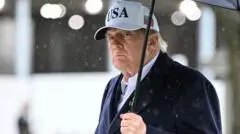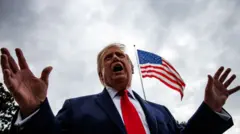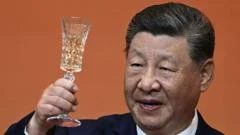
Two world leaders. Two red carpets. One message.
When Xi Jinping welcomed Vladimir Putin to Beijing this week, the timing was anything but accidental. Just days earlier, the Chinese president had hosted Donald Trump with similar fanfare. And that, analysts say, is exactly the point.
Xi wants the world to see him as the leader who talks to everyone — and is tied to no one.
Why This Matters Right Now
This isn't just about diplomatic photo-ops. The back-to-back visits by two of the most consequential figures in global politics — one from Russia, one from the United States — send a powerful signal about where China sees itself in the world order.
For ordinary people, this matters because the outcome of these meetings could shape everything from global trade to energy prices to geopolitical stability. For India, which shares complex relationships with all three powers, the implications are even more direct.
How the Diplomatic Drama Unfolded
Trump's visit to Beijing earlier this month was already historic — the first time a former US president had visited China since leaving office. The meetings covered trade, technology, and regional security, with both sides projecting warmth despite underlying tensions.
Then came Putin.
The Russian president arrived in Beijing to discuss foreign policy, trade, and bilateral cooperation. Xi greeted him as an "old friend," a term reserved for China's closest allies. The symbolism was unmistakable: Russia remains China's strategic partner, even as Beijing keeps channels open with Washington.
But the visit wasn't all smooth sailing. Despite the warm welcome, Putin left without securing a major pipeline deal that Moscow had been pushing for — a reminder that even "old friends" have limits in diplomacy.
Who Is Affected and What Officials Are Saying
The immediate impact is felt most acutely in diplomatic circles. The US, Russia, and China are locked in a triangular relationship where every gesture is scrutinized for meaning.
Chinese officials have framed the back-to-back visits as evidence of Beijing's growing global influence. "China is a responsible major country that maintains independent foreign policy," a spokesperson said, without directly commenting on the sequencing.
Russian state media portrayed Putin's visit as a reaffirmation of the "no limits" partnership between Moscow and Beijing. Meanwhile, US analysts are watching closely for any signs that China is tilting further toward Russia on key issues like Ukraine or technology transfers.
What We Know So Far — and What Remains Unclear
What we know:
- Xi hosted Trump in Beijing days before Putin's arrival
- Putin was received with full diplomatic honors and called an "old friend"
- Discussions covered trade, foreign policy, and bilateral cooperation
- No major pipeline deal was announced despite expectations
What remains unclear:
- Whether any concrete agreements were reached behind closed doors
- How Trump's team is interpreting the timing of Putin's visit
- Whether this signals a shift in China's balancing act between the US and Russia
- The long-term impact on India's strategic calculations in the region
Risks, Concerns, and the Balanced View
Xi's strategy of engaging both superpowers carries significant risks. Playing both sides could backfire if either the US or Russia feels betrayed. The lack of a pipeline deal with Russia suggests that even China's closest partnerships have limits when economic interests are at stake.
Critics argue that Xi's approach is less about genuine diplomacy and more about projecting an image of indispensability. "China wants to be seen as the indispensable power," one analyst noted. "But that's a dangerous game when you're dealing with two nuclear-armed rivals."
On the other hand, supporters say this is simply smart statecraft. By keeping channels open with both Washington and Moscow, Beijing positions itself as a mediator rather than a participant in great power competition.
Why Similar Diplomatic Balancing Acts Are Growing
China isn't alone in trying to navigate between the US and Russia. India, Turkey, Saudi Arabia, and several other nations have pursued similar multi-alignment strategies in recent years.
What makes China's case unique is its sheer economic weight. As the world's second-largest economy and a permanent UN Security Council member, Beijing's choices have outsized consequences. The back-to-back visits are a reminder that in a multipolar world, everyone wants a seat at China's table — and Xi is happy to keep setting more places.
"Two presidential visits days apart is how Xi Jinping wants the world to see him: talking to everyone, tied to no-one." — BBC News
What Readers, Investors, and Policymakers Should Know Now
For investors, the key takeaway is that China is unlikely to make any dramatic shifts in its foreign policy. The balancing act will continue, which means both opportunities and risks for businesses operating in or with China.
For ordinary readers, this story is a window into how global power dynamics are shifting. The era of US dominance is giving way to a more complex world where China, Russia, and other powers compete and cooperate simultaneously.
For Indian readers specifically, these developments underscore the importance of India's own multi-alignment strategy. As China deepens ties with both Russia and the US, New Delhi must navigate its own relationships with all three powers carefully.
What Could Happen Next
Expect more such diplomatic choreography from Beijing. Xi is likely to continue hosting world leaders in rapid succession to reinforce China's central role in global affairs.
The absence of a pipeline deal with Russia suggests that economic pragmatism will continue to guide China's decisions, even with its closest partners. This could lead to more friction with Moscow if Russia's expectations continue to outpace what Beijing is willing to deliver.
Meanwhile, the US will be watching closely. Any perception that China is tilting too far toward Russia could trigger new tensions — especially on issues like technology transfers, sanctions compliance, and regional security.
Our Take: Why This Story Matters Beyond One Visit
The image of Xi hosting Trump and Putin within days of each other is more than just diplomatic theater. It's a statement about the changing world order.
China is no longer content to be a follower in the international system. It wants to be the convener, the mediator, the indispensable power. Whether that ambition is sustainable — or whether it will create new tensions — is one of the defining questions of our time.
For now, Xi is basking in the spotlight. But in diplomacy, the spotlight can be as revealing as it is flattering.
FAQs
Why did Xi host Putin so soon after Trump's visit?
The timing is deliberate. Xi wants to project China as a global power that maintains independent relationships with both the US and Russia, without being tied to either. It's a message of diplomatic flexibility and growing influence.
Did Putin get a better welcome than Trump in Beijing?
Both leaders received full diplomatic honors, but the framing was different. Trump's visit was framed as engagement with a major economic partner, while Putin was welcomed as an "old friend" — reflecting the deeper strategic partnership between China and Russia.
What does this mean for India's relationship with China?
India should watch these developments closely. China's ability to maintain ties with both the US and Russia while managing its border disputes with India shows the complexity of Asian geopolitics. New Delhi will need to continue its own multi-alignment strategy.
Could this backfire for Xi Jinping?
Yes. Playing both sides carries risks. If either the US or Russia feels China is being disloyal, it could damage relationships. The lack of a pipeline deal with Russia suggests that even China's closest partnerships have limits when economic interests are at stake.