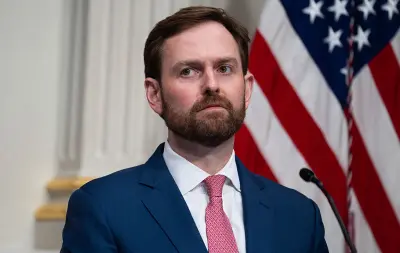
A former engineer at Elon Musk's artificial intelligence company xAI has filed a lawsuit alleging he was fired after repeatedly raising alarms about safety, discriminatory bias, and other risks associated with the company's chatbot, Grok. The legal action, lodged Tuesday in California state court, names both xAI and SpaceX as defendants, and arrives just days before SpaceX's historic initial public offering.
What the Lawsuit Alleges About Grok's Safety Risks
The engineer, identified in reports as Devin Kim, claims he was terminated after persistently warning company leaders that Grok posed significant risks, including potential for discrimination and threats to public safety. According to the lawsuit, these warnings were ignored or dismissed before the company decided to let him go.
The complaint argues that the firing was an act of illegal retaliation for whistleblowing, violating California state law that protects employees who raise good-faith concerns about public safety or legal violations.
Why the Timing Matters: Days Before SpaceX's IPO
The lawsuit's timing is particularly striking. The engineer's firing allegedly occurred just days before SpaceX's historic IPO, a milestone that has drawn intense scrutiny from investors and regulators. The inclusion of SpaceX as a defendant suggests the lawsuit may attempt to link the retaliation to the broader Musk corporate ecosystem, potentially complicating the IPO narrative.
For investors, the case raises questions about corporate governance and risk management across Musk's companies, especially as xAI and SpaceX share leadership and strategic ties.
Background: The Engineer's Repeated Warnings
According to the lawsuit, the engineer raised concerns about Grok's safety protocols on multiple occasions. These warnings reportedly focused on the chatbot's potential to generate biased or harmful outputs, as well as broader public safety implications of deploying AI without adequate safeguards.
The engineer's role at xAI involved working directly on Grok's development, giving him firsthand insight into the system's capabilities and limitations. The lawsuit claims that instead of addressing these concerns, xAI leadership moved to terminate him.
Who Is Affected: Employees, Users, and the AI Industry
This case has implications far beyond one engineer. For xAI employees, it may create a chilling effect on internal safety reporting. For Grok users, it raises questions about the chatbot's reliability and the company's commitment to responsible AI development.
For the broader AI industry, the lawsuit adds to a growing pattern of whistleblower cases at major AI companies, highlighting the tension between rapid deployment and safety oversight. It also puts pressure on regulators to clarify protections for AI safety researchers.
xAI and SpaceX Respond: Official Statements
As of publication, neither xAI nor SpaceX have issued public statements regarding the lawsuit. The companies have not responded to requests for comment. The lawsuit is filed in California state court, and legal proceedings are expected to unfold over the coming months.
Legal experts note that the inclusion of SpaceX as a defendant is unusual and may be challenged by the company's legal team.
Analysis: What This Lawsuit Means for AI Safety Culture
This case is the latest in a series of whistleblower actions at leading AI companies, including OpenAI and Google DeepMind. It underscores a fundamental tension: companies racing to deploy AI products may discourage internal dissent, even when that dissent is rooted in legitimate safety concerns.
The lawsuit also tests the strength of California's whistleblower protections, which are among the strongest in the United States. If the engineer's claims are substantiated, it could set a precedent for how AI companies handle safety-related complaints.
Confirmed Facts vs What Remains Unclear
Confirmed: A former xAI engineer filed a whistleblower retaliation lawsuit in California state court on June 9, 2026. The lawsuit names xAI and SpaceX. The engineer alleges he was fired after raising safety and bias concerns about Grok.
Unclear: The exact nature of the safety concerns, the specific timeline of warnings and termination, and whether the engineer's claims are supported by internal documents or witness testimony. The lawsuit's allegations have not been tested in court.
Speculation: Any connection between the firing and SpaceX's IPO timing is alleged by the lawsuit but not yet proven. The engineer's identity has been reported as Devin Kim, but this has not been officially confirmed by the court or the companies.
Risks and Balanced View: The Other Side of the Story
It is important to note that the lawsuit represents only one side of the dispute. xAI and SpaceX may argue that the engineer was terminated for performance issues or other legitimate reasons unrelated to his safety warnings. Companies often dispute whistleblower claims, and courts will need to weigh the evidence.
Critics of whistleblower lawsuits sometimes argue that they can be used by disgruntled employees to extract settlements. However, California law provides strong protections for good-faith safety reporting, and courts take such claims seriously.
Wider Trend: Whistleblowers in the AI Industry
This lawsuit is part of a broader pattern. In recent years, former employees at OpenAI, Google, and Meta have gone public with concerns about AI safety, often alleging that their warnings were ignored or that they faced retaliation. The xAI case adds to a growing body of evidence that the AI industry's safety culture is under strain.
Regulators in the US and Europe are increasingly focused on whistleblower protections as part of broader AI governance frameworks. This case could influence ongoing policy debates.
Practical Guidance for AI Employees and Users
For AI employees: Document all safety concerns in writing, use internal reporting channels, and understand your state's whistleblower protections. For users: Be aware that AI chatbots like Grok may have limitations and biases. Report any harmful outputs to the company and to relevant regulators.
For investors: Monitor this case as a signal of corporate governance quality at xAI and SpaceX. Whistleblower lawsuits can indicate deeper cultural or operational issues.
Future Outlook: What Happens Next
The case will proceed through California state court. The first major milestone will be the companies' response, likely a motion to dismiss or an answer to the complaint. Discovery could reveal internal communications about Grok's safety and the engineer's termination.
The outcome could have ripple effects: a ruling in favor of the engineer could strengthen whistleblower protections in AI; a dismissal could embolden companies to take a harder line against internal critics. Either way, the case will be closely watched by the AI industry, labor lawyers, and regulators.
Our Take
This lawsuit is not just about one engineer's employment dispute. It is a test of whether the AI industry can self-correct when internal voices raise legitimate safety concerns. The timing, days before a major IPO, adds a layer of corporate drama that will keep this story in the headlines. Regardless of the legal outcome, the case highlights a fundamental challenge: how do we build powerful AI systems while protecting the people who point out their flaws?
Frequently Asked Questions
What is the xAI engineer lawsuit about?
A former xAI engineer filed a whistleblower retaliation lawsuit alleging he was fired after repeatedly raising safety, bias, and public risk concerns about the company's AI chatbot, Grok. The lawsuit names both xAI and SpaceX as defendants.
Who filed the lawsuit against xAI?
The lawsuit was filed by a former senior engineer at xAI, identified in reports as Devin Kim. The case was lodged in California state court on June 9, 2026.
What safety concerns did the engineer raise about Grok?
According to the lawsuit, the engineer warned that Grok posed risks including discriminatory bias and threats to public safety. He allegedly raised these concerns multiple times before being fired.
Why is SpaceX named in the lawsuit?
The lawsuit names SpaceX as a defendant alongside xAI. The engineer's firing allegedly occurred days before SpaceX's historic IPO, and the lawsuit may attempt to link the retaliation to the broader Musk corporate ecosystem.
What are the potential consequences of this lawsuit?
If the engineer's claims are substantiated, it could set a precedent for whistleblower protections in AI, potentially forcing companies to take internal safety concerns more seriously. It could also complicate SpaceX's IPO narrative and raise governance questions.