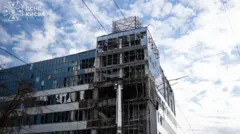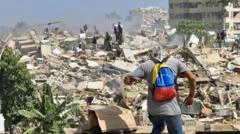
The ground shook twice. And when the dust settled, entire neighborhoods in Venezuela had turned into graveyards of concrete and steel. At least 920 people are dead, hundreds more are trapped under the rubble, and international rescue teams have begun arriving to help dig through the wreckage.
Two earthquakes, one catastrophe
Two strong earthquakes struck Venezuela within a short span, flattening hundreds of buildings across multiple cities. The first quake caused widespread panic; the second, which followed hours later, brought down structures already weakened. The combined force left rescue workers overwhelmed and families scrambling for any news of the missing.
Why this disaster hits so hard
Venezuela was already reeling from a prolonged economic crisis, with crumbling infrastructure and limited medical supplies. This earthquake has struck a nation with little capacity to respond. For ordinary Venezuelans, the disaster means not just loss of life but loss of homes, livelihoods, and any sense of safety. Hospitals, already underfunded, are now overwhelmed with the injured.
How the situation unfolded
The first earthquake struck early in the day, catching residents off guard. Within hours, a second, more powerful tremor followed, collapsing buildings that had survived the initial shock. Rescue efforts began immediately with local volunteers using bare hands to dig through debris. By the time international teams began arriving, the death toll had already crossed 900.
Who is affected and what it means for families
Entire families are feared buried under collapsed apartment blocks and office buildings. In working-class neighborhoods, where buildings were poorly constructed and already in disrepair, the destruction is near total. Survivors sit on sidewalks, waiting for any word. Children have been separated from parents. The emotional toll is immeasurable.
International rescue teams arrive
Search-and-rescue teams from multiple countries have now landed in Venezuela, bringing specialized equipment, sniffer dogs, and medical supplies. The United States has also sent teams, marking a rare moment of international cooperation with the Venezuelan government. The focus remains on finding survivors, but time is running out.
What the scale of destruction tells us
The death toll of 920 is already one of the deadliest earthquake disasters in the region in recent years. But experts warn the final number could be significantly higher. Hundreds of buildings collapsed, and many areas remain inaccessible due to blocked roads and damaged infrastructure. The true scale of the tragedy may take days to emerge.
Confirmed facts vs what remains unclear
Confirmed: At least 920 dead; hundreds of buildings flattened; international rescue teams have arrived; rescue operations are ongoing. Unclear: The exact number of people still trapped; the full extent of damage in remote areas; whether more aftershocks are expected; the official government response timeline. All casualty figures are preliminary and subject to revision.
Risks and challenges ahead
The biggest risk now is time. Survivors trapped under rubble face dehydration, crush injuries, and lack of oxygen. Aftershocks could trigger further collapses, endangering both victims and rescue workers. There are also concerns about disease outbreaks as bodies remain unrecovered and water supplies may be contaminated. The lack of heavy equipment in some areas is slowing rescue efforts.
A pattern of vulnerability
This disaster highlights a broader pattern: countries with weak infrastructure and limited emergency services are disproportionately affected by natural disasters. Venezuela's economic collapse over the past decade has left its buildings unmaintained, its hospitals understocked, and its disaster response systems underfunded. The earthquakes have exposed a fragility that was already there.
What affected families and readers should know
If you have family in the affected areas, contact local emergency services or the Red Cross for information. Avoid traveling to collapsed areas unless you are part of a registered rescue team. Donate to verified humanitarian organizations only. For those outside Venezuela, sharing verified information from official sources helps prevent panic and misinformation.
What happens next
Rescue operations will continue for at least the next 48 to 72 hours, the critical window for finding survivors. After that, the focus will shift to recovery and relief. The Venezuelan government is expected to release updated casualty figures. International aid shipments are being organized. The rebuilding process, when it begins, will take years.
Our Take
This is not just a story of a natural disaster. It is a story of how a nation's existing vulnerabilities magnify tragedy. Venezuela's earthquakes killed 920 people not just because the ground shook, but because the buildings were weak, the hospitals were empty, and the emergency systems were broken. The international response is welcome, but it cannot undo years of neglect. For the families waiting by the rubble, the only thing that matters now is whether the next person pulled out is still breathing.
Frequently Asked Questions
How many people died in the Venezuela earthquakes?
At least 920 people have been confirmed dead, according to reports from international news agencies citing local officials. The number is expected to rise as rescue operations continue.
Are international rescue teams helping in Venezuela?
Yes. Search-and-rescue teams from multiple countries, including the United States, have arrived in Venezuela to assist with digging through rubble and finding survivors.
What caused the high death toll in Venezuela?
The combination of two strong earthquakes, poorly constructed buildings, and Venezuela's weakened infrastructure and emergency services contributed to the high number of casualties.
Is it safe to travel to Venezuela right now?
Travel to the affected areas is not recommended. Aftershocks remain possible, and rescue operations are ongoing. Check official travel advisories from your government before planning any trip.