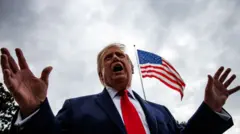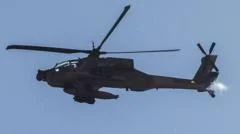
The United States military has launched a series of retaliatory airstrikes on Iranian military and surveillance sites, following President Donald Trump's accusation that Tehran shot down a US Army Apache helicopter over the strategic Strait of Hormuz. The strikes, confirmed by US officials, mark a dramatic escalation in the already volatile standoff between the two nations.
How the Helicopter Downing Triggered US Retaliation
President Trump directly blamed Iran for the downing of the Apache helicopter, which occurred over the Strait of Hormuz, a critical waterway for global oil shipments. The president vowed a swift and decisive response, which materialized as airstrikes on Iranian positions. The US military described the strikes as a direct retaliation for what it called an unprovoked attack on American forces.
Why the Strait of Hormuz Incident Matters for Global Security
The Strait of Hormuz is one of the world's most strategically important chokepoints, through which about 20% of global oil passes. Any military confrontation in this region risks disrupting energy markets and drawing in other regional powers. The downing of the US helicopter and the subsequent strikes have heightened fears of a broader conflict that could impact global oil prices and shipping routes.
Timeline of Escalation: From Helicopter Crash to Airstrikes
The incident began when a US Army Apache helicopter crashed over the Strait of Hormuz. President Trump quickly accused Iran of shooting it down, though the exact circumstances remain under investigation. Within hours, the US military launched retaliatory strikes on Iranian military and surveillance sites. Two crew members from the downed helicopter were rescued by an unmanned drone boat, according to reports.
Human Impact: The Crew and Families at the Center of the Crisis
Two US Army crew members were aboard the Apache helicopter when it was downed. They were rescued by an unmanned drone boat, but the incident has left their families and the military community on edge. The psychological toll on service members and their loved ones is immense, as each escalation brings the risk of further casualties.
Official Statements: Trump's Accusation and Pentagon's Response
President Donald Trump stated unequivocally that Iran shot down the US helicopter and promised a response. The Pentagon confirmed the airstrikes, describing them as "precision strikes" on Iranian military and surveillance sites. Officials emphasized that the strikes were defensive in nature and aimed at preventing future attacks on US forces.
Analysis: What the Strikes Mean for US-Iran Relations
The airstrikes represent a significant departure from previous US policy, which had focused on economic sanctions and diplomatic pressure. By directly targeting Iranian military sites, the US has crossed a threshold that could lead to a sustained military confrontation. Analysts warn that Iran may retaliate through proxy forces in Iraq, Syria, or Yemen, or by targeting US allies in the region.
Confirmed Facts vs What Remains Unclear
Confirmed: The US launched airstrikes on Iranian military and surveillance sites. President Trump accused Iran of downing the Apache helicopter. Two crew members were rescued by an unmanned drone boat.
Unclear: The exact cause of the helicopter crash remains under investigation. Iran has not officially confirmed or denied responsibility. The full extent of damage from the US strikes is not yet known. It is unclear whether Iran will retaliate directly or through proxies.
Risks and Balanced View: The Dangers of Escalation
The US strikes risk triggering a wider conflict that could draw in regional powers and disrupt global oil markets. Critics argue that the Trump administration's decision to strike without clear evidence of Iranian responsibility could be seen as a provocation. Supporters say the US had a right to defend its forces and deter future attacks. The situation remains highly volatile, with both sides capable of further escalation.
Wider Pattern: A History of US-Iran Confrontations
This incident is the latest in a long history of US-Iran confrontations, including the 2019 downing of a US drone by Iran, the 2020 killing of Iranian General Qasem Soleimani, and ongoing proxy conflicts in Iraq and Yemen. Each escalation has brought the two countries closer to direct military conflict, with the Strait of Hormuz often serving as a flashpoint.
Practical Guidance: What This Means for Travelers and Investors
For travelers, the US State Department has likely issued updated travel advisories for the Middle East, particularly for the Persian Gulf region. Investors should monitor oil prices, which are expected to rise due to the disruption in the Strait of Hormuz. Shipping companies may need to reroute vessels to avoid the conflict zone.
Future Outlook: What Could Happen Next
The immediate future depends on Iran's response. Tehran could retaliate through military strikes, cyberattacks, or proxy forces. Diplomatic channels remain open but are unlikely to yield results in the current climate. The US may conduct further strikes if it perceives continued threats. The situation could de-escalate if both sides show restraint, but the risk of miscalculation remains high.
Our Take
This is a dangerous moment for US-Iran relations. The decision to launch retaliatory strikes based on President Trump's accusation, without independent verification, sets a troubling precedent. While the US has the right to defend its forces, the lack of a clear diplomatic off-ramp increases the risk of a broader conflict that could have devastating consequences for the region and the global economy. The priority now must be de-escalation and transparency about the facts surrounding the helicopter downing.
Frequently Asked Questions
Why did the US strike Iran?
The US launched retaliatory airstrikes on Iranian military and surveillance sites after President Trump accused Iran of shooting down a US Army Apache helicopter over the Strait of Hormuz.
Was the helicopter crash confirmed to be caused by Iran?
President Trump directly accused Iran of shooting down the helicopter, but the exact cause remains under investigation. Iran has not officially confirmed or denied responsibility.
What happened to the crew of the downed helicopter?
Two crew members were aboard the Apache helicopter. They were rescued by an unmanned drone boat, according to reports.
Could this lead to a wider war between the US and Iran?
The strikes have escalated tensions significantly. While both sides may show restraint, the risk of a broader conflict remains high, especially if Iran retaliates through military or proxy forces.