The United States temporarily suspended oil sanctions on Iran on Monday, hours after Vice President JD Vance claimed Tehran had agreed to allow United Nations nuclear inspectors back into the country. But within hours, Iran’s foreign ministry issued a blunt denial — saying it had made “no new commitments” on nuclear inspections.
What Vance said — and what Iran denies
Speaking after the first round of US-Iran talks in Switzerland, Vice President JD Vance said discussions with the International Atomic Energy Agency (IAEA) could happen “as soon as today.” The statement suggested a breakthrough in the long-stalled nuclear inspection issue, a key sticking point in negotiations.
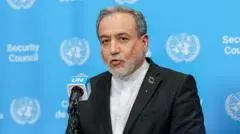
But Iran’s foreign ministry quickly pushed back. In a statement to state media, Tehran said it had not agreed to any new inspection terms. “No new commitments were made regarding nuclear inspections,” the ministry said, directly contradicting Vance’s claim.
Why the oil sanctions move matters
The US decision to temporarily ease oil sanctions is significant. It is the first time in years Washington has relaxed its oil embargo on Iran, a move that could provide Tehran with much-needed economic relief. For ordinary Iranians, this could mean lower inflation and improved access to global markets. For global oil markets, it could add supply and potentially lower prices.
But the timing — immediately after Vance’s claim — raises questions. Was the sanctions relief conditional on Iran’s cooperation on inspections? Or was it a goodwill gesture to keep talks alive?
How the situation developed
The talks in Switzerland were the first face-to-face negotiations between US and Iranian officials aimed at reaching a final deal to end the war. The nuclear inspection issue has been a major obstacle, with the IAEA demanding access to sites where undeclared nuclear activity may have occurred. Iran has long resisted, citing security concerns.
Vance’s claim appeared to signal a breakthrough. But Iran’s denial suggests the two sides remain far apart — or that there was a misunderstanding in the room.
Who is affected by this contradiction
For the Iranian public, the sanctions relief is a tangible benefit. But the diplomatic confusion could undermine trust in the negotiations. For US policymakers, the contradiction risks emboldening critics who argue Iran cannot be trusted. For the IAEA, the uncertainty delays its ability to verify Iran’s nuclear activities.
Investors and oil markets are watching closely. Any sign of a breakdown in talks could reverse the sanctions relief and tighten global oil supply.
Official responses and expert views
Iran’s foreign ministry has not elaborated on what was discussed in Switzerland. The US State Department has not yet commented on the discrepancy. The IAEA has not confirmed any new inspection arrangement.
Analysts say the contradiction could be a negotiating tactic — with Iran denying the claim to maintain leverage, or with the US overstating progress to build momentum. “This is classic diplomatic fog,” one former US diplomat told reporters. “Both sides are trying to shape the narrative.”
What this means for the broader negotiations
The contradiction does not necessarily mean the talks have failed. But it does highlight the fragility of the process. Nuclear inspections are a red line for both sides: the US sees them as essential for verification, while Iran sees them as a sovereignty issue.
The sanctions relief, even if temporary, gives Iran an incentive to stay at the table. But if the inspection issue remains unresolved, the entire deal could unravel.
Confirmed facts vs what remains unclear
Confirmed: The US temporarily lifted oil sanctions on Iran. Vice President Vance said Iran would allow IAEA inspectors back. Iran’s foreign ministry denied making any new commitments on inspections. Talks took place in Switzerland.
Unclear: Whether Vance’s claim was based on a misunderstanding, a verbal agreement not yet formalized, or a deliberate misrepresentation. Whether the sanctions relief was conditional on inspections. What exactly was discussed in the room.
Speculation: Some analysts suggest Iran may have agreed in principle but not formally. Others believe the US overstated progress to justify the sanctions relief domestically.
Risks and balanced view
Risks: The contradiction could erode trust in the negotiations. If Iran is seen as backtracking, US hardliners may push to reimpose sanctions. If the US is seen as exaggerating, Iran may become more distrustful.
Balanced view: Both sides have an interest in keeping talks alive. The sanctions relief provides a tangible benefit for Iran. The inspection issue remains the biggest hurdle, but not necessarily a dealbreaker.
Wider pattern in US-Iran diplomacy
This is not the first time public statements have diverged from private negotiations. In past rounds of talks, both sides have used public denials and claims to manage domestic audiences. The pattern suggests that while the talks are real, the public messaging is often strategic.
The involvement of Vice President Vance — a known hawk on Iran — adds another layer. His claim may have been intended to signal strength, but the Iranian denial undercuts that narrative.
What readers should watch for
For those following the story, key signals to watch include: any IAEA statement confirming or denying new inspection arrangements; further comments from the US State Department; and whether the sanctions relief remains in place after the contradiction. Oil prices will also be a real-time indicator of market confidence.
What could happen next
If the inspection issue is resolved privately, the contradiction may fade. If not, the talks could stall. The US may demand a public Iranian commitment before extending the sanctions relief. Iran may demand the relief be made permanent before agreeing to inspections.
The next round of talks has not been announced, but both sides have signaled willingness to continue.
Our Take
This story is a reminder that diplomacy is rarely as clean as public statements suggest. The contradiction between Vance’s claim and Iran’s denial is significant, but it does not mean the talks have failed. It does, however, expose the fragility of the process and the difficulty of building trust after decades of hostility.
For readers, the key takeaway is that the sanctions relief is real — but its longevity depends on resolving the inspection issue. The coming days will reveal whether this was a genuine misunderstanding or a sign of deeper problems.
Frequently Asked Questions
Did Iran agree to allow nuclear inspectors back?
Iran’s foreign ministry says it made “no new commitments” on nuclear inspections. Vice President JD Vance claimed Iran would allow IAEA inspectors back “as soon as today.” The two statements contradict each other.
Why did the US ease oil sanctions on Iran?
The US temporarily lifted oil sanctions after the first round of US-Iran talks in Switzerland. The move appears to be a goodwill gesture to keep negotiations alive, though the timing — immediately after Vance’s claim — suggests it may have been linked to progress on inspections.
What is the IAEA’s role in this?
The International Atomic Energy Agency (IAEA) is the UN nuclear watchdog. It has been demanding access to Iranian sites where undeclared nuclear activity may have occurred. Iran has resisted, and the IAEA has not confirmed any new inspection arrangement.
Will the sanctions relief last?
The sanctions relief is temporary. Its longevity depends on progress in the talks, particularly on the nuclear inspection issue. If the contradiction is resolved, the relief could be extended. If talks stall, it could be reversed.