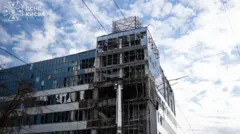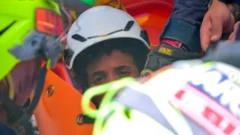
In a moment that has brought a glimmer of hope to a devastated community, two boys have been pulled alive from the rubble of a collapsed building in Venezuela, days after a powerful 7.5-magnitude earthquake tore through the region. The rescue, described by witnesses as nothing short of a miracle, came after rescuers spent six painstaking hours carefully digging through concrete and twisted metal to reach one of the boys.
Six hours of careful digging to reach a trapped child
The rescue operation unfolded in a neighbourhood where entire buildings had crumbled into piles of debris. Rescuers, working with limited equipment, used their hands and basic tools to clear a path to the boy, who had been trapped for days. The painstaking effort required constant communication with the child to ensure his safety as they removed layer after layer of rubble.
Why this rescue matters for a grieving community
For a community that has endured days of grief and uncertainty, the rescue of the two boys offers a rare moment of relief. Many families are still waiting for news of their loved ones, and the sight of survivors being pulled from the wreckage has provided a powerful emotional boost to both rescuers and residents. It also underscores the urgent need for more heavy machinery to speed up the search for others who may still be alive.
How the earthquake unfolded and the aftermath
The 7.5-magnitude earthquake struck Venezuela with little warning, causing widespread destruction across several towns and cities. Buildings collapsed, roads were blocked, and power lines were knocked down. In the days that followed, rescue teams have been working around the clock, but the lack of heavy equipment has slowed progress significantly. Many residents have taken it upon themselves to dig through the rubble by hand, hoping to find survivors.
Who is affected and what it means for survivors
The boys rescued are among the few known survivors pulled from the rubble so far. Their rescue has given hope to other families still searching for missing relatives. However, the emotional toll on the community is immense. Many have lost homes, livelihoods, and loved ones. The rescue of the two boys is a reminder of the human cost of the disaster and the resilience of those who continue to search for the missing.
Official response and rescue coordination
Local authorities have confirmed the rescue but have not yet released the names or ages of the boys. Officials have praised the efforts of the rescue teams, who worked under dangerous conditions to reach the trapped children. The government has promised to send more heavy machinery to the affected areas, but residents say the equipment has been slow to arrive, forcing them to rely on their own hands and basic tools.
Why the rescue took so long and what it reveals
The six-hour operation to free one of the boys highlights the challenges rescue teams face in the aftermath of a major earthquake. Without cranes, jackhammers, or other heavy equipment, every movement must be calculated to avoid causing further collapse. The rescuers had to carefully assess the stability of the debris before making any move, all while keeping the trapped boy calm and reassured. This painstaking process is a testament to the dedication of the rescue workers, but it also reveals the critical gaps in disaster response infrastructure.
Confirmed facts vs what remains unclear
Confirmed: Two boys were rescued alive from the rubble of a collapsed building in Venezuela days after a 7.5-magnitude earthquake. Rescuers spent six hours digging to free one of them. Many residents are still searching by hand due to a lack of heavy machinery.
Unclear: The exact ages and names of the boys have not been officially released. It is also unclear how many other people remain trapped under the rubble, or how many have been confirmed dead. The full extent of the damage across the affected region is still being assessed.
Risks and challenges facing rescue operations
While the rescue of the two boys is a success, the broader situation remains dire. The lack of heavy machinery means that many survivors may not be reached in time. Aftershocks continue to pose a risk, potentially causing further collapses and endangering both survivors and rescuers. There are also concerns about the health of those trapped, including dehydration, injuries, and the psychological trauma of being buried alive.
Wider pattern of earthquake vulnerability in the region
Venezuela is located in a seismically active zone, but many buildings in the affected areas were not constructed to withstand a major earthquake. Poor construction standards, combined with a lack of emergency preparedness, have made the country particularly vulnerable to such disasters. This earthquake is a stark reminder of the need for stronger building codes and better disaster response systems across the region.
What affected residents and families should know
For families still searching for missing loved ones, experts advise staying in contact with local rescue coordination centres if possible. Residents should avoid entering unstable buildings and should report any signs of life they hear from the rubble to rescue teams immediately. Those who have been displaced should seek shelter at designated relief centres set up by local authorities.
What could happen next in the rescue effort
If heavy machinery arrives in the coming days, rescue teams may be able to clear larger sections of rubble more quickly, potentially finding more survivors. However, the window for rescuing people alive is narrowing. After 72 hours, survival rates drop significantly, though there have been cases of people surviving for much longer. The focus will remain on searching for any signs of life while also beginning the grim task of recovering bodies.
Our Take
The rescue of these two boys is a powerful reminder of the human spirit in the face of unimaginable tragedy. But it also lays bare the harsh reality of disaster response in regions where resources are scarce. While we celebrate this miracle, we must also ask why heavy machinery was not available sooner, and what can be done to ensure that future disasters do not leave communities to dig through rubble with their bare hands. This story is not just about survival — it is about the urgent need for better preparedness and faster response.
Frequently Asked Questions
How were the two boys rescued from the rubble in Venezuela?
Rescuers spent six hours carefully digging through debris by hand and with basic tools to reach one of the boys, who had been trapped for days after a 7.5-magnitude earthquake. The second boy was also pulled from the rubble during the same operation.
Why are residents still searching by hand in Venezuela?
Heavy machinery has been slow to arrive in the affected areas, forcing residents and rescue teams to dig through the rubble using their hands and basic tools to search for survivors.
How many people are still missing after the Venezuela earthquake?
The exact number of missing people is still unclear, as rescue operations are ongoing and many areas remain inaccessible. Authorities have not yet released an official count.
What should families do if they have missing relatives after the earthquake?
Families should contact local rescue coordination centres if possible, report any signs of life they hear from the rubble, and avoid entering unstable buildings. Displaced individuals should seek shelter at designated relief centres.