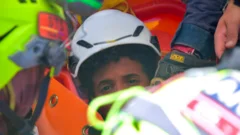
Two 11-year-old boys were pulled alive from the rubble of collapsed buildings in Venezuela on Sunday, offering rare moments of hope as rescue teams race against time. They were among 33 people rescued over the weekend, but with nearly 50,000 still missing, the window for finding more survivors is closing fast.
How the boys were found and rescued
Both boys were rescued separately on Sunday, according to rescue officials. One was discovered by a local search team using sound detection equipment, while the other was found by international rescue crews working alongside Venezuelan authorities. Neither boy has been publicly identified, but officials confirmed both are 11 years old and were taken to hospitals for treatment. Their conditions were not immediately disclosed.
Why the next hours are critical for survivors
Rescue experts say the first 72 hours after an earthquake are the most crucial for finding survivors trapped under debris. That window is now closing. "Every hour that passes reduces the chance of finding people alive," a rescue coordinator told reporters. Families of the missing are gathering outside collapsed buildings, waiting for any news. Many have not slept since the quakes struck.
Timeline of the twin earthquakes and aftermath
The twin earthquakes struck Venezuela days apart, causing widespread destruction in multiple cities. The first quake, with a magnitude of 7.2, hit on a Tuesday evening, collapsing hundreds of buildings. A second quake, measuring 6.8, followed two days later, further damaging already weakened structures. Rescue operations began immediately, but the scale of destruction has overwhelmed local resources.
Who is affected and what families are enduring
For families of the missing, the wait is agonizing. "I haven't heard from my brother in three days," one woman told reporters near a collapsed apartment block. "I just want to know if he is alive." The emotional toll is visible across affected cities, where makeshift shelters have been set up for displaced families. Children, the elderly, and those with medical conditions are among the most vulnerable.
Official response and international rescue teams
Venezuelan authorities have deployed thousands of rescue workers, but the scale of the disaster has required international assistance. American rescue teams, along with crews from other nations, are now on the ground. "We are working around the clock," a Venezuelan emergency official said. "Every rescue is a victory, but we know there are many more people still trapped."
Why the survival window is closing despite rescue efforts
Survivors trapped under rubble face multiple threats: dehydration, crush injuries, and lack of oxygen. After 72 hours, survival rates drop sharply. Rescue teams are using dogs, thermal imaging, and listening devices to locate survivors, but the damage is extensive. "We are finding bodies more often than survivors now," one rescue worker admitted.
Confirmed facts vs what remains unclear
Confirmed: Two 11-year-old boys were rescued on Sunday. A total of 33 people have been rescued over the weekend. Nearly 50,000 people are missing. International rescue teams are assisting. Unclear: The exact number of people still trapped. The conditions of the rescued boys. The full death toll, which is expected to rise. Whether more survivors remain in accessible areas.
Risks and challenges facing rescue operations
Rescue efforts are hampered by damaged infrastructure, aftershocks, and limited heavy equipment. Some areas remain inaccessible due to collapsed roads. There are also concerns about looting and safety in affected neighborhoods. Officials have urged calm and warned against spreading unverified information on social media.
Wider pattern of earthquake disasters in the region
Venezuela is not in a high-seismic zone, but the twin quakes have exposed vulnerabilities in building standards and emergency preparedness. Experts say many older buildings were not designed to withstand strong earthquakes. The disaster has also strained an already struggling healthcare system, raising concerns about the ability to treat the injured.
What affected families and residents should do now
Families of the missing are advised to register with official emergency centers and provide photographs and identifying details of loved ones. Residents in affected areas should avoid entering damaged buildings and follow evacuation orders. Those with medical needs should seek treatment at designated emergency hospitals. Authorities have set up hotlines for reporting missing persons.
What could happen next in the rescue and recovery effort
As the survival window closes, rescue operations will likely shift toward recovery. The death toll is expected to rise significantly. International aid, including medical supplies and temporary shelter, is expected to arrive in the coming days. The Venezuelan government has pledged to investigate building safety standards after the disaster.
Our Take
The rescue of two 11-year-old boys is a reminder of the human stakes in this disaster. But with nearly 50,000 people still missing, the scale of loss is staggering. Every rescue is a miracle, but the numbers tell a grim story. The focus now must be on supporting families, ensuring accountability for building failures, and preparing for the long recovery ahead.
Frequently Asked Questions
How many people have been rescued from the Venezuela earthquake?
As of Sunday, 33 people have been rescued from collapsed buildings, including two 11-year-old boys pulled from rubble on Sunday.
How many people are still missing after the Venezuela earthquakes?
Nearly 50,000 people remain unaccounted for after the twin earthquakes struck Venezuela.
What is the survival window for earthquake victims?
The critical 72-hour window for finding survivors trapped under rubble is closing. After this period, survival rates drop sharply due to dehydration, injuries, and lack of oxygen.
Are international rescue teams helping in Venezuela?
Yes, American rescue teams and crews from other nations are assisting Venezuelan authorities in search and rescue operations.