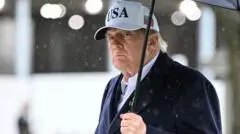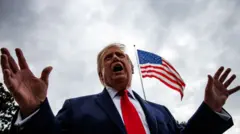
The United States is preparing to strike Iran again today, President Donald Trump has warned, after the two sides exchanged military blows overnight. "We hit them hard yesterday, and we're going to hit them hard again today," Trump said, according to video footage from CNBC. The president added that Iran "will have to pay the price" for taking too long to negotiate a nuclear deal.
What Trump said about the new strikes
Speaking on Tuesday, Trump did not specify the exact targets or scale of the planned strikes. But his language was unequivocal: the US would continue military action until Iran agrees to terms. "We're going to hit them very hard today," he said, as reported by CNBC. The remarks came after the US and Iran exchanged strikes overnight, marking a significant escalation in a long-running standoff over Tehran's nuclear program.
Why this escalation matters now
The warning signals a dramatic shift in US policy toward Iran, moving from diplomatic pressure to direct military confrontation. For months, Trump had pushed for a new nuclear deal, but negotiations stalled. Now, the president is using force as leverage. The overnight strikes and the threat of more to come raise the stakes for both sides — and for the wider Middle East. Iran has already vowed retaliation, warning that any further attacks will be met with a response.
How the situation unfolded overnight
The overnight exchange of strikes was the first direct military engagement between the US and Iran in years. Details remain limited, but both sides confirmed that attacks were launched. Trump's statement that the US "hit them hard yesterday" suggests the strikes were significant in scale. Iran has not yet disclosed the extent of damage or casualties, but its leadership has promised a firm response.
Who is affected by the conflict
The immediate impact is on military personnel and civilians in the region. But the consequences could ripple far beyond. Oil prices are likely to spike, global markets may react nervously, and diplomatic efforts across the Middle East could be disrupted. For ordinary Iranians, the threat of further strikes brings uncertainty and fear. For Americans, the prospect of a prolonged military engagement raises questions about costs and casualties.
Official responses from both sides
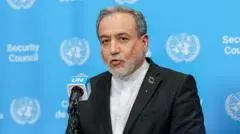
Trump's warning was direct and public. "Iran will have to pay the price," he said, according to video reports. The White House has not issued a formal statement beyond the president's remarks. Iran's leadership, meanwhile, has condemned the US strikes and vowed retaliation. "Any attack will be met with a response," Iranian officials have said, though specific plans have not been disclosed. The international community has called for restraint, but no major power has intervened so far.
What is driving the US-Iran standoff
The core issue is Iran's nuclear program. Trump has long demanded a tougher deal than the 2015 agreement, which he withdrew from in 2018. Since then, Iran has accelerated its nuclear activities, enriching uranium to near weapons-grade levels. The US has imposed crippling sanctions, but Iran has refused to negotiate under pressure. Now, Trump appears to be using military force as a new tactic to force compliance.
Confirmed facts vs what remains unclear
What is confirmed: Trump said the US will hit Iran "hard" again today. The US and Iran exchanged strikes overnight. Trump warned Iran will "pay the price" for delaying a nuclear deal. Iran has vowed retaliation. What remains unclear: the exact targets and scale of the planned US strikes. The extent of damage from overnight strikes. Whether Iran will retaliate immediately or wait. The role of allies or international mediators.
Risks and balanced view of the escalation
The risks are severe. A sustained military campaign could draw in other regional powers, destabilize oil markets, and lead to a protracted conflict. Critics argue that Trump's approach — using force to force a deal — may backfire, hardening Iran's position and pushing it closer to a nuclear weapon. Supporters say that only overwhelming pressure can bring Iran to the table. The truth likely lies somewhere in between: force may create leverage, but it also raises the risk of miscalculation and unintended escalation.
Wider pattern of US-Iran confrontation
This is not the first time the US and Iran have come close to direct conflict. In 2020, a US drone strike killed Iranian General Qasem Soleimani, prompting a missile response from Iran. Since then, tensions have simmered, with periodic skirmishes involving proxies in Iraq, Syria, and Yemen. The current escalation marks a return to direct confrontation, with both sides seemingly willing to test each other's limits.
What readers should know now
For those following the story, the key is to watch for official updates from both governments. Iran's response — whether immediate or delayed — will determine the next phase. Oil prices and global markets are likely to react sharply. For now, the situation remains fluid, and the risk of further escalation is high. Avoid unverified claims on social media; rely on official statements and credible news sources.
What could happen next
The most likely scenario is that the US carries out additional strikes today, as Trump has warned. Iran will then decide whether to retaliate directly or through proxies. Diplomatic channels remain open, but neither side has shown willingness to de-escalate. A wider conflict is possible, though both countries may seek to avoid a full-scale war. The coming hours and days will be critical.
Our take
This is a dangerous moment. Trump's warning is not just rhetoric — it is a clear signal that the US is prepared to use sustained military force to achieve its objectives. Iran's vow of retaliation means the cycle of strikes and counter-strikes could continue, with no clear exit strategy. The international community must step in to prevent a broader war, but so far, there is little sign of effective mediation. For now, the world watches as two nuclear-armed nations edge closer to direct confrontation.
Frequently Asked Questions
Why is Trump hitting Iran again today?
Trump says the US will strike Iran "hard" again today because Iran has taken too long to agree to a nuclear deal. He is using military force as leverage to pressure Tehran into negotiations.
What did Iran say in response to Trump's warning?
Iran has vowed retaliation to any further US attacks. Its leadership has condemned the overnight strikes and warned that any new attacks will be met with a response.
What happened overnight between the US and Iran?
The US and Iran exchanged strikes overnight, marking a direct military engagement. Trump confirmed the US "hit them hard yesterday," but details of the strikes remain limited.
Could this lead to a wider war?
Yes, the risk of a wider conflict is high. Both sides have shown willingness to use force, and Iran's vow of retaliation could trigger a cycle of escalation. Diplomatic efforts have not yet succeeded in de-escalating tensions.