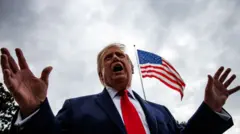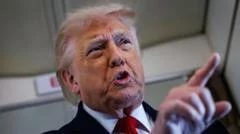
The United States will strike Iran "hard" again on Wednesday, President Donald Trump warned, accusing Tehran of dragging its feet on a nuclear deal. The threat, delivered during remarks with reporters, signals a dramatic escalation after weeks of diplomatic efforts and raises the specter of a wider war in the Middle East.
Trump's warning: 'They will have to pay the price'
Speaking on Tuesday, Trump said Iran "will have to pay the price" for taking too long to agree to an interim peace deal. When asked if that meant the US would resume its bombing campaign, he confirmed: "We'll hit them hard again on Wednesday."
The president did not specify the scale, targets, or duration of the planned strikes, but the language marks a clear departure from earlier signals of restraint. Trump had previously claimed he called off a planned attack at the request of Gulf states, but now appears to be reversing course.
Why this escalation matters now
The warning comes after weeks of back-and-forth between Washington and Tehran, with the US demanding Iran halt its nuclear program and Iran insisting on sanctions relief. Trump's latest threat suggests patience has run out, and the US is prepared to use military force to compel a deal.
For ordinary Iranians, the prospect of renewed US strikes means more uncertainty, economic pain, and fear of all-out war. For the region, it risks drawing in Gulf states, proxy militias, and even global powers, as oil prices and security concerns spike.
Background: How we got here
The US and Iran have been locked in a tense standoff since Trump withdrew from the 2015 nuclear deal in 2018. After years of sanctions and covert operations, the two sides began indirect talks in 2025, but progress stalled over Iran's uranium enrichment and US demands for a broader deal.
In recent weeks, the US conducted airstrikes against Iranian-linked targets in Iraq and Syria, following attacks on US forces. Iran responded by shooting down a US military helicopter, prompting Trump to warn of a "very severe" response. Now, the president is doubling down.
Who is affected and what it means for real people
For Iranians, the threat of renewed US strikes means a return to the fear and disruption of war. Hospitals, schools, and civilians could be caught in the crossfire, as they have been in past conflicts. For US troops in the region, it means heightened risk of attack from Iranian proxies.
For global markets, the escalation could send oil prices soaring, hitting consumers worldwide. For Gulf states, it means being caught between a US ally and a powerful neighbor, with no easy path to de-escalation.
Official response: Iran vows retaliation
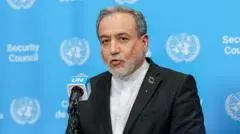
Tehran has vowed to retaliate against any US attacks, with Iranian military commanders warning that any strike will be met with a "proportional and decisive" response. Iran's foreign ministry called Trump's threat "a violation of international law" and said the US would bear full responsibility for any escalation.
Gulf states, which had urged Trump to show restraint, have not yet commented on the latest threat. The UN and European powers have called for de-escalation, but no formal mediation efforts have been announced.
Analysis: What's behind Trump's hardline shift?
Trump's warning appears to be a calculated attempt to force Iran's hand, using the threat of military action to push Tehran into a deal. By setting a specific deadline — Wednesday — he is creating a sense of urgency and testing Iran's willingness to negotiate under pressure.
However, the strategy carries significant risks. Iran has shown it can absorb punishment and retaliate through proxies, cyberattacks, and missile strikes. A sustained bombing campaign could unite Iran's fractured leadership and rally public opinion against the US, making a deal even harder to reach.
Confirmed facts vs what remains unclear
Confirmed: Trump said the US will hit Iran "hard" again on Wednesday. He accused Iran of delaying talks. Iran has vowed retaliation. The US has already conducted strikes against Iranian targets in recent days.
Unclear: The exact targets, scale, and duration of Wednesday's planned strikes. Whether the US has secured support from Gulf states or allies. Iran's specific retaliatory plans. Whether diplomatic channels remain open.
Risks and balanced view
The escalation carries grave risks: a wider war, civilian casualties, regional instability, and a spike in oil prices. Critics argue that Trump's hardline approach has failed to force Iran to the table and may instead push Tehran to accelerate its nuclear program.
Supporters of the president's stance say that only credible military pressure can compel Iran to agree to a deal, and that past diplomacy has only allowed Tehran to buy time. They point to Iran's history of negotiating under duress as evidence that the strategy could work.
Wider trend: US-Iran conflict enters a new phase
The threat of renewed strikes marks a new phase in the US-Iran conflict, which has oscillated between diplomacy and military confrontation for decades. Trump's "maximum pressure" campaign has given way to "maximum pressure with military teeth," raising the stakes for both sides.
This pattern — threats, strikes, retaliation, then back to talks — has played out before, but the current escalation feels different. With Iran closer than ever to a nuclear weapon and the US determined to prevent it, the margin for error is shrinking.
Practical guidance: What to watch for
For readers following this story, key indicators to watch include: any official US announcement of targets or timing; Iran's military posture and any preemptive moves; statements from Gulf states and the UN; oil price movements; and any signs of diplomatic backchannels reopening.
For those in the region, it is advisable to stay informed through reliable news sources, avoid areas near military installations, and prepare for potential disruptions to travel and communications.
Future outlook: What could happen next
If the US follows through on Wednesday's threat, Iran is likely to retaliate, potentially through proxy attacks on US forces, missile strikes on Gulf states, or cyberattacks on critical infrastructure. The conflict could escalate rapidly, drawing in regional powers and disrupting global energy markets.
If diplomacy reopens at the last minute, the strikes could be called off or limited. However, given Trump's public commitment and Iran's vow of retaliation, a de-escalation scenario appears unlikely in the short term.
Our Take
Trump's warning is a high-stakes gamble that could either force Iran into a deal or plunge the region into a devastating war. The president's strategy of setting a public deadline leaves little room for face-saving diplomacy, and both sides appear to be digging in. For the people of Iran and the Middle East, the cost of this brinkmanship could be measured in lives and livelihoods. The world will be watching Wednesday with bated breath.
Frequently Asked Questions
Why is Trump threatening to hit Iran again on Wednesday?
Trump says Iran has taken too long to agree to a nuclear deal, and he is using the threat of military force to pressure Tehran into negotiations. He accused Iran of delaying talks and said they "will have to pay the price."
What did Iran say in response to Trump's threat?
Iran has vowed retaliation against any US attacks, calling Trump's threat a violation of international law. Iranian military commanders warned of a "proportional and decisive" response.
Has the US already struck Iran recently?
Yes, the US conducted airstrikes against Iranian-linked targets in Iraq and Syria in recent days, following attacks on US forces. Trump also claimed he called off a planned attack at the request of Gulf states.
What could happen if the US strikes Iran again?
If the US follows through, Iran is likely to retaliate through proxy attacks, missile strikes, or cyberattacks. The conflict could escalate into a wider war, affecting oil prices, regional stability, and civilian safety.