The world woke up to a stunning declaration from President Donald Trump: the war with Iran is over, and a deal has already been signed. But as the news sinks in, a fog of confusion hangs over exactly what has been agreed upon, and when the full picture will emerge.
What Trump actually said about the Iran deal
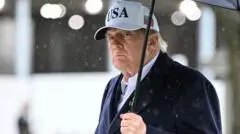
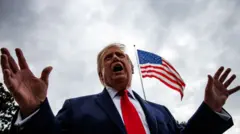
Speaking to reporters, President Trump confirmed that a Memorandum of Understanding (MoU) between the United States and Iran had been signed electronically. He stated that the Strait of Hormuz, a vital waterway for global oil shipments, would be “completely open” as early as Friday. “The deal to end the war has already been signed,” Trump said, promising that the details would be released “pretty soon.” The announcement was made against the backdrop of the G7 summit, where leaders were reportedly scrambling to finalize the remaining terms.
Why this matters for global oil prices and shipping
The Strait of Hormuz is one of the world’s most strategically important chokepoints. A significant portion of the world’s crude oil passes through its waters. Any disruption—or the promise of its reopening—has immediate ripple effects on global energy markets. For everyday consumers, this could mean a shift in fuel prices. For shipping companies and insurers, it signals a potential de-escalation of risk in the Persian Gulf. The announcement, if it holds, could stabilize a region that has been on edge for months.
The timeline of a sudden peace
The path to this announcement has been anything but linear. Just days ago, the conflict appeared to be escalating. The sudden shift toward a signed agreement has caught many analysts off guard. Trump’s claim of an electronic signing suggests a modern, fast-tracked diplomatic process, but it also raises questions about the traditional, face-to-face negotiations that usually accompany such major accords. The G7 leaders are now working to “tie up loose ends,” indicating that while a framework exists, the finer points are still being hammered out.
Who is affected by this potential peace deal
The most immediate impact will be felt by the people of Iran and the US military personnel stationed in the region. For Iranian citizens, a deal could mean the easing of crippling economic sanctions and a return to some semblance of normalcy. For American soldiers and their families, it represents the possibility of coming home. Globally, every nation that relies on stable oil prices and secure shipping lanes has a stake in this agreement. The deal’s success or failure will shape the geopolitical landscape for years to come.
Official responses and lingering doubts from Tehran
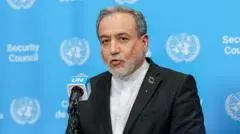
While Trump’s tone was triumphant, the response from Tehran has been more cautious. Iranian officials have reportedly cast doubt on the timing of the signing, suggesting that the deal may not be as finalized as the US President claims. This discrepancy is a critical point of tension. Without clear, mutual confirmation from both sides, the agreement remains fragile. The coming days will be crucial in determining whether this is a genuine breakthrough or a premature declaration.
What the G7’s involvement tells us about the deal
The fact that G7 leaders are involved in “tying up loose ends” suggests that this is not a simple bilateral agreement. It likely involves commitments from multiple world powers, possibly regarding sanctions relief, nuclear oversight, or regional security guarantees. The G7’s role adds a layer of complexity and legitimacy, but also means that any single nation’s objection could stall the process. The international community is watching closely to see if the deal holds.
Confirmed facts vs what remains unclear
Confirmed: President Trump has publicly stated that a Memorandum of Understanding has been signed electronically. He has also stated the Strait of Hormuz will reopen on Friday. Unclear: The exact contents of the MoU. Whether Iranian leadership has formally ratified the agreement. The specific timeline for releasing the full details. The role of other nations in enforcing the deal. All of these points remain subject to verification and further official statements.
Risks and a balanced view of the announcement
While the announcement is a positive step toward de-escalation, significant risks remain. The most immediate risk is a breakdown in communication: if one side believes a deal is signed while the other considers it still under negotiation, the resulting confusion could be dangerous. Critics also warn that a hastily signed electronic agreement may lack the legal and diplomatic rigor of a traditional treaty. There are concerns that the deal may be a temporary ceasefire rather than a lasting peace, leaving underlying tensions unresolved.
A wider pattern of high-stakes diplomacy
This announcement fits a broader pattern of Trump’s foreign policy, which often favors dramatic, headline-grabbing declarations over slow, methodical diplomacy. It also reflects a modern trend toward digital and expedited negotiations in crisis situations. The use of an electronic signature for a major peace deal is unprecedented and could set a new precedent for how future conflicts are resolved. However, it also raises questions about transparency and the durability of agreements made without traditional face-to-face summits.
What you should watch for in the coming days
For investors, the immediate focus should be on oil prices and shipping stocks. For the general public, the key is to wait for official confirmation from both the US and Iranian governments. Be skeptical of unverified claims on social media. The most reliable information will come from official press briefings and statements from the G7. If you are directly affected by travel or business in the region, consult your embassy for the latest travel advisories.
What happens next: the road ahead
The next 48 hours are critical. If the Strait of Hormuz reopens as promised, it will be a strong signal that the deal is operational. The release of the MoU’s details will then be the true test. If the terms are seen as fair and enforceable by both sides, it could lead to a broader normalization of relations. If not, the region could quickly slide back into uncertainty. The world is watching, and the stakes could not be higher.
Our Take
This is a moment of immense potential and immense risk. President Trump’s declaration is a powerful gesture, but the devil is in the details. The lack of immediate, enthusiastic confirmation from Tehran is a red flag that cannot be ignored. While the reopening of the Strait of Hormuz is a tangible, positive outcome, the true success of this deal will be measured not in days, but in months and years. For now, cautious optimism is the most responsible stance. The world desperately needs this peace to be real, but it must be a peace built on verified facts, not just hopeful headlines.
Frequently Asked Questions
Has the US-Iran war officially ended?
President Trump has declared that a deal to end the war has been signed. However, the full details have not been released, and Iranian officials have expressed doubts about the timing. The situation is still developing, and official confirmation from both governments is pending.
What is the Strait of Hormuz and why is it important?
The Strait of Hormuz is a narrow waterway between the Persian Gulf and the Gulf of Oman. It is a critical chokepoint for global oil shipments, with a significant percentage of the world’s crude oil passing through it. Its reopening is a major signal of de-escalation.
When will the details of the Iran deal be released?
President Trump stated that the details would be released “pretty soon,” but no specific date or time has been provided. The G7 is reportedly working to finalize the remaining terms, which may delay the full disclosure.
What is a Memorandum of Understanding (MoU)?
A Memorandum of Understanding is a formal agreement between two or more parties. It is often used as a preliminary step before a full treaty. In this case, it outlines the basic terms of the peace deal, but the exact legal standing and enforceability are still being clarified.