The prospect of an end to the Iran war has taken a dramatic turn, with US President Donald Trump declaring a "great settlement" is within reach — even as Tehran insists nothing has been finalised. The conflicting statements have left the world watching for what could be a historic breakthrough or another false dawn in one of the most volatile conflicts of the decade.
Trump's claim of a 'great settlement'
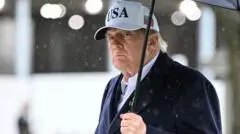
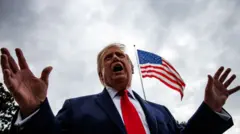
Speaking to reporters, Trump said a deal to end the war could be signed as soon as this weekend. He described it as a "great settlement" that would bring peace to the region. The US president has long sought a resolution to the conflict, which has disrupted global oil markets and caused widespread humanitarian suffering.
Tehran's firm denial: 'Nothing finalised'
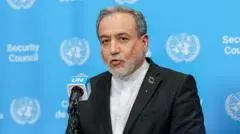
Iranian officials were quick to push back. A spokesperson said no final decision has been made on any agreement, calling reports of a deal "speculative". The denial underscores the deep mistrust between the two sides and suggests significant gaps remain in negotiations. Iran has consistently demanded guarantees on its sovereignty and nuclear rights.
Key sticking points: Hormuz and nuclear programme
Trump has made clear that any peace deal must include two non-negotiable conditions: Iran must end its restrictions on shipping through the Strait of Hormuz, and it must provide ironclad guarantees that it will not develop a nuclear weapon. The Strait of Hormuz is a critical chokepoint for global oil supplies, and Iran's actions there have directly impacted energy prices worldwide.
Human cost of the war
The conflict has exacted a heavy toll on civilians in both Iran and neighbouring countries. Millions have been displaced, and access to food, medicine, and clean water remains precarious. Any deal would need to address not just geopolitical concerns but also the urgent humanitarian crisis that has unfolded over months of fighting.
International reactions and diplomatic efforts
World powers have been closely monitoring the situation. The United Nations and several European nations have urged restraint and pushed for a negotiated settlement. However, the lack of a unified international position has complicated efforts. Some analysts believe Trump's announcement may be an attempt to pressure Iran into making concessions.
What a deal would mean for global markets
If a deal is reached, the reopening of the Strait of Hormuz would be a major boost for global energy markets. Oil prices, which have been volatile throughout the war, could stabilise. However, the uncertainty around the negotiations means markets remain on edge, with traders watching every statement from Washington and Tehran.
Confirmed facts vs what remains unclear
What is confirmed: Trump has publicly stated a deal is near and could be signed this weekend. Iran has publicly denied any final agreement. The key demands from the US are clear: Hormuz access and nuclear guarantees. What remains unclear: whether any substantive progress has been made behind closed doors, what specific terms are being discussed, and whether both sides are genuinely close to a breakthrough or engaged in strategic signalling.
Risks and balanced view
There are significant risks on both sides. If Trump's claim proves premature, it could undermine US credibility and strengthen hardliners in Iran who oppose any deal. Conversely, if Iran is seen as rejecting a reasonable offer, it could face increased international pressure and potential military escalation. Critics warn that any deal that does not fully address Iran's nuclear ambitions could simply delay a future crisis. Supporters argue that even an imperfect agreement is better than continued war.
Wider pattern: US-Iran negotiations under Trump
This is not the first time Trump has signalled a potential breakthrough with Iran. His administration has oscillated between maximum pressure campaigns and diplomatic overtures. The pattern suggests a transactional approach to foreign policy, where deals are framed as personal victories. However, the complexity of the Iran conflict — with its regional proxies, nuclear dimensions, and domestic politics — makes simple solutions elusive.
What this means for ordinary people
For millions affected by the war, the prospect of peace is a matter of life and death. Families in Iran and neighbouring countries have endured months of uncertainty, displacement, and economic hardship. A deal could mean the return of basic services, the reopening of trade routes, and a chance to rebuild. But until a final agreement is signed and implemented, hope remains fragile.
What happens next
The coming days will be critical. If Trump's timeline holds, a deal could be announced within the week. If not, the war could drag on, with both sides digging in. Diplomatic channels remain open, but the gap between public statements and private negotiations is wide. The world will be watching for any sign of movement — or breakdown.
Our Take
The conflicting statements from Washington and Tehran are a reminder that in high-stakes diplomacy, public posturing often masks private uncertainty. Trump's claim of a deal may be genuine optimism, a negotiating tactic, or both. Iran's denial may be a bargaining position or a reflection of real disagreement. What is clear is that the human cost of this war is too high for either side to walk away without a serious attempt at peace. The next few days will reveal whether this is a genuine breakthrough or another chapter in a long and tragic conflict.
Frequently Asked Questions
Is a deal to end the Iran war really close?
US President Trump says a "great settlement" is near and could be signed this weekend. However, Iran has denied that any final decision has been made, calling reports speculative. The situation remains fluid.
What are the main conditions Trump is demanding?
Trump has said any deal must require Iran to end restrictions on shipping through the Strait of Hormuz and provide guarantees that it will not develop a nuclear weapon.
Why is the Strait of Hormuz so important?
The Strait of Hormuz is a narrow waterway through which about 20% of the world's oil passes. Iran's restrictions on shipping there have disrupted global energy supplies and driven up oil prices.
What happens if no deal is reached?
If negotiations fail, the war is likely to continue, with further humanitarian suffering and economic disruption. There is also a risk of escalation, including potential military strikes on Iranian nuclear or energy facilities.