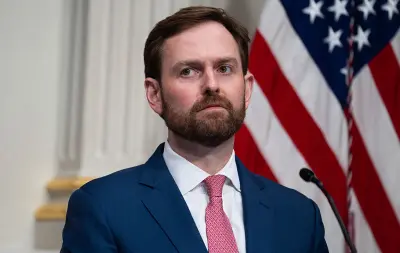
The White House has quietly opened a door that was previously locked shut. After weeks of tense negotiations, the Trump administration granted Anthropic permission on Friday to release its most advanced AI model, Mythos 5, to a select group of US companies and federal agencies, CNBC has confirmed.
What the Government Permission Actually Means
The decision marks a significant shift in the administration's stance. Anthropic had earlier disabled access to both its Fable 5 and Mythos 5 models to comply with an export control directive that cited "national security authorities." Now, a limited circle of approved US organizations will gain access to the cutting-edge AI system.
The permission is not a blanket approval. It is tightly restricted to specific companies and government agencies, suggesting the White House is attempting to balance national security concerns with the competitive advantages of keeping advanced AI development within US borders.
Why This Matters for US AI Leadership
For American businesses and federal agencies, this access could mean a significant leap in AI capabilities. Mythos 5 represents the frontier of large language models, and having exclusive access gives US organizations a potential edge over global competitors, particularly those from China.
For the broader AI industry, the decision signals that the Trump administration is willing to negotiate on AI restrictions when national security and economic interests align. It also raises questions about how the government will manage access to future frontier models.
The Negotiation Timeline: From Restriction to Permission
The dispute began when the US government issued an export control directive that forced Anthropic to disable access to its advanced models. The company complied but began negotiations with the administration to find a path forward.
Senior Anthropic staffers met with Trump administration officials in Washington, D.C., to resolve the dispute. Cybersecurity executives and experts also urged the administration to ease restrictions, arguing that overly strict controls could harm US competitiveness.
After weeks of back-and-forth, the government agreed to allow limited access to select US organizations, marking a compromise between security hawks and industry advocates.
Who Gets Access and Who Doesn't
The exact list of approved companies and agencies has not been publicly disclosed. However, the decision is expected to benefit major US corporations with government contracts and federal agencies working on national security and critical infrastructure projects.
Smaller companies and foreign entities remain excluded. The selective nature of the access has already drawn criticism from some industry observers who argue it could create an uneven playing field within the US AI ecosystem.
Official Responses and Unanswered Questions
Neither the White House nor Anthropic has issued detailed public statements beyond confirming the permission. CNBC's reporting, citing a source close to the company, remains the primary source of confirmed information.
Key questions remain unanswered: What specific security conditions were imposed? How long will the permission last? Will the list of approved organizations expand over time? And what happens if an approved entity is found to have violated the terms of access?
What This Means for AI Regulation Going Forward
The Mythos 5 decision could become a template for how the US government manages access to frontier AI models. Rather than blanket bans or unrestricted releases, the administration appears to favor a calibrated approach: restricted access to vetted domestic entities.
This model allows the US to maintain technological leadership while attempting to prevent advanced AI capabilities from reaching adversaries. It also gives the government leverage over AI companies, as compliance with such directives becomes a condition for market access.
Confirmed Facts vs What Remains Unclear
Confirmed: The US government granted Anthropic permission to release Mythos 5 to select US companies and federal agencies. Anthropic had previously disabled access to comply with an export control directive. The decision followed weeks of negotiations.
Unclear: The exact list of approved organizations. The specific security conditions imposed. The duration of the permission. Whether the decision applies to Fable 5 as well. The full details of the negotiations between Anthropic and the administration.
Anthropic's Position in the AI Landscape
Anthropic has positioned itself as a safety-first AI company, emphasizing responsible development and deployment. Its models, including Claude and the Mythos series, are considered among the most advanced in the industry.
The company's willingness to comply with government directives while negotiating for limited access reflects its strategy of working within regulatory frameworks rather than against them. This approach may give Anthropic an advantage in future government contracts and partnerships.
Risks and Concerns
Critics argue that selective access could concentrate AI power in the hands of a few large corporations and government agencies, potentially stifling competition and innovation from smaller players.
There are also concerns about security: if an approved organization is compromised, the advanced AI model could fall into the wrong hands. The effectiveness of the government's oversight mechanisms remains untested.
Some civil liberties advocates worry that the precedent could lead to excessive government control over AI development, with national security justifications used to limit public access to transformative technology.
Broader Trend: Government-Industry AI Negotiations
The Anthropic case is part of a larger pattern of governments worldwide negotiating with AI companies over access to advanced models. The European Union's AI Act, China's strict AI regulations, and the US's evolving export controls all reflect a global trend toward greater government involvement in AI governance.
What makes the US approach distinctive is its focus on selective domestic access rather than outright bans or unrestricted releases. This calibrated approach could become the dominant model for managing frontier AI in democratic societies.
What This Means for Businesses and Researchers
For US companies not on the approved list, the decision may create pressure to seek government partnerships or security clearances to gain access to advanced AI models. For researchers, the restricted access could limit academic study of frontier AI systems.
Companies should monitor the evolving regulatory landscape and consider how government access decisions might affect their AI strategies. Building relationships with government agencies and demonstrating security compliance may become increasingly important.
What Happens Next
Anthropic is expected to begin granting access to approved organizations in the coming days. The company and the government will likely monitor the rollout closely for any security incidents.
Longer term, the decision could influence how the US government handles similar requests from other AI companies, including OpenAI, Google DeepMind, and others developing frontier models. The precedent set by the Mythos 5 case may shape US AI policy for years to come.
Our Take
The Mythos 5 decision represents a pragmatic compromise in a complex policy landscape. The Trump administration has avoided both the extremes of a blanket ban and an unrestricted release, opting instead for a controlled access model that attempts to balance security and innovation.
However, the selective nature of the access raises legitimate concerns about equity and competition. If only a handful of well-connected organizations gain access to frontier AI, the technology's benefits may be concentrated rather than broadly distributed. The coming months will reveal whether the government's oversight mechanisms are robust enough to prevent misuse while allowing legitimate innovation to flourish.
Frequently Asked Questions
What is Anthropic's Mythos 5 model?
Mythos 5 is Anthropic's most advanced AI model, representing the frontier of large language model technology. It was previously disabled by Anthropic to comply with a US government export control directive.
Why did the US government restrict Anthropic's models?
The government issued an export control directive citing "national security authorities," which forced Anthropic to disable access to its Fable 5 and Mythos 5 models. The exact security concerns have not been publicly detailed.
Which organizations will get access to Mythos 5?
The exact list has not been publicly disclosed. The permission applies to a select group of US companies and federal agencies approved by the government.
Is Mythos 5 being released to the public?
No. The release is limited to select US organizations only. It is not a public release and foreign entities remain excluded.