If you are planning to drive through central Delhi on July 20, you may want to rethink your route. The monsoon session of Parliament begins that day, and authorities have announced traffic curbs that could disrupt your commute. For thousands of daily commuters, office-goers, and students, this means longer travel times and unexpected diversions.
What Routes Are Affected on July 20?
The traffic restrictions will primarily focus on roads leading to the Parliament complex, including stretches near Central Vista, Raisina Hill, and surrounding areas. While the exact list of closed roads has not been fully detailed, commuters are advised to avoid the vicinity of Parliament House, North Block, and South Block during the session hours. Alternative routes via Ring Road, Mathura Road, and Outer Ring Road are recommended.
Why These Curbs Matter for Delhi Commuters
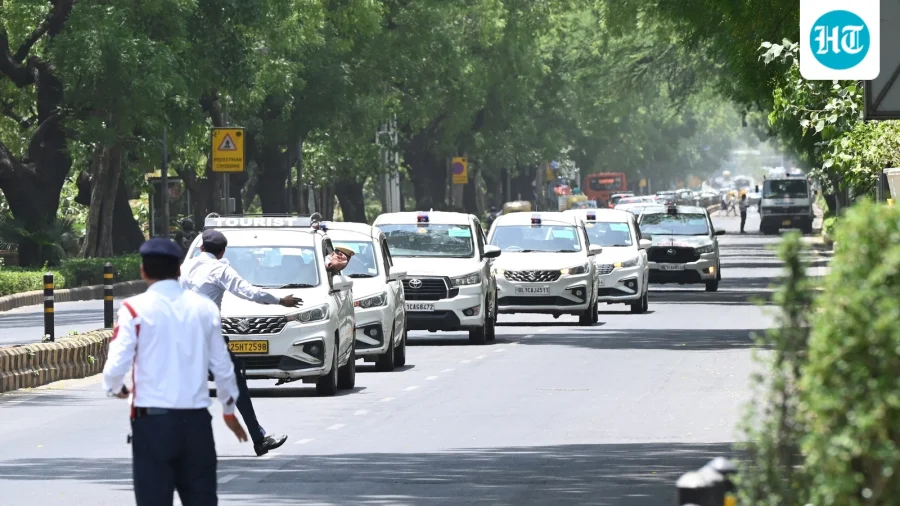
For anyone who travels through central Delhi daily, these curbs can mean significant delays. The Parliament Monsoon Session is a high-security event, and the restrictions are designed to ensure smooth movement for lawmakers, officials, and security personnel. However, for the average commuter, this translates to longer travel times, especially during morning and evening peak hours. If you work near Connaught Place, India Gate, or ITO, you may need to leave earlier or use public transport.
How the Situation Developed
The advisory comes as part of standard security protocols for the Parliament session, which typically sees heightened security and traffic management. The monsoon session is a key legislative period, and authorities routinely impose curbs to prevent congestion and ensure safety. Similar restrictions were in place during the budget session earlier this year.
Who Is Affected and What You Should Do
Office-goers, students, and daily commuters who travel through central Delhi are the most affected. If your route passes near Parliament Street, Rafi Marg, or Janpath, you should plan an alternate route. Authorities have advised using the Delhi Metro as a reliable alternative. For those driving, consider using the Ring Road or the Outer Ring Road to bypass the restricted zone. Real-time traffic apps like Google Maps or Delhi Traffic Police updates can help you navigate.
Official Advisory and What Authorities Say
Delhi Traffic Police has issued a general advisory urging commuters to plan their journey in advance. While specific road closure details are yet to be released, the advisory emphasizes avoiding the Parliament complex area during session hours. Commuters are also advised to follow on-ground instructions from traffic personnel.
What This Means for Your Daily Routine
The curbs are likely to be in place for the entire duration of the monsoon session, which runs for several weeks. However, the most severe restrictions are expected on the first day, July 20, due to the inaugural proceedings. If you have a flexible schedule, consider working from home or adjusting your travel timings to avoid peak hours.
Confirmed Facts vs What Remains Unclear
Confirmed: Traffic curbs will be in place on July 20 for the Parliament Monsoon Session. Authorities have advised commuters to plan alternate routes. Unclear: The exact list of closed roads and the duration of restrictions beyond July 20. Commuters should check official updates from Delhi Traffic Police for real-time information.
Wider Trend: Security and Commuter Impact in Delhi
This is part of a recurring pattern in Delhi, where major political events lead to sudden traffic disruptions. From Republic Day rehearsals to Parliament sessions, the city’s commuters often face last-minute route changes. This highlights the need for better urban planning and real-time communication between authorities and the public.
Practical Guidance for Commuters
If you are traveling on July 20, here is what you can do: Check Delhi Traffic Police’s social media handles for updates. Use the Delhi Metro, especially the Yellow and Violet lines, which connect to Central Secretariat. Leave at least 30 minutes earlier than usual. Avoid driving through Central Vista, India Gate, and Parliament Street. Use apps like Google Maps or Waze for live traffic updates.
Future Outlook
Similar restrictions are likely to continue throughout the monsoon session, especially on days with key debates or high-profile visits. Commuters should stay updated via official channels. The government may also announce additional curbs for security reasons, so flexibility is key.
Our Take
While these curbs are necessary for security, they also underscore the challenges of commuting in a city that hosts major political events. For the average Delhi commuter, the key is preparation. A little advance planning can save you from being stuck in traffic. The authorities, too, could improve by releasing detailed road closure maps earlier to help commuters plan better.
Frequently Asked Questions
What are the traffic curbs in Delhi on July 20?
Traffic curbs are restrictions on roads near the Parliament complex for the Monsoon Session. Commuters are advised to avoid these routes and use alternatives.
Which routes should I avoid in Delhi on July 20?
Avoid roads near Parliament House, Central Vista, Raisina Hill, and surrounding areas. Use Ring Road or Outer Ring Road instead.
How long will the traffic restrictions last?
The curbs are primarily for July 20, but similar restrictions may continue during the monsoon session. Check official updates for daily changes.
What is the best alternative to driving on July 20?
The Delhi Metro is the most reliable alternative. Use the Yellow or Violet lines to reach Central Secretariat or nearby stations.