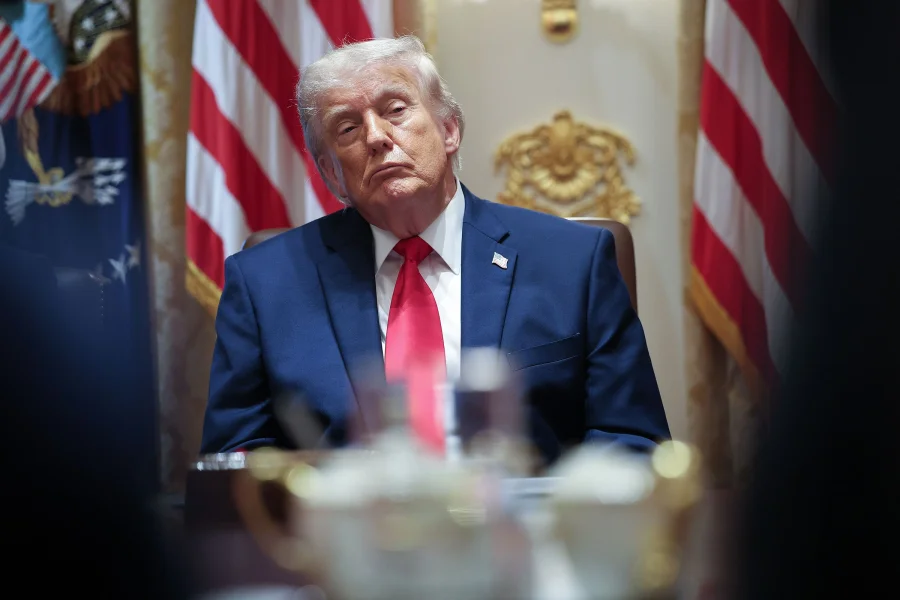
For weeks, the tech world watched and waited. After a draft executive order on artificial intelligence was quietly shelved last month, many wondered if the White House had lost its nerve. Then, late Monday night, President Donald Trump signed the order — and the landscape for AI regulation in America shifted overnight.
The move isn't just a procedural step. It signals that the administration is ready to impose federal oversight on the most powerful AI systems being built today. For companies like OpenAI, Google, and Meta, this changes the rules of the game.
What the New AI Executive Order Actually Does
The executive order, officially titled "Eliminating State Law Obstruction of National Artificial Intelligence Policy," lays out a national framework for AI governance. But the most immediate impact is clear: the federal government wants to test the world's most advanced AI models before they are released to the public.
According to reports, the order requires companies developing frontier AI systems — the kind that could pose national security or public safety risks — to share safety test results with federal authorities. This is a significant departure from the industry's previous self-regulatory approach.
The order also aims to streamline federal permitting for data center infrastructure, a move that could accelerate the construction of the massive computing facilities needed to train and run AI models.
Why This Matters Right Now
This isn't just another Washington policy document. The AI industry has been operating in a regulatory vacuum, with companies setting their own safety standards. That era is ending.
For Indian readers, the implications are real. Many of the world's leading AI companies have development teams and customer bases in India. Changes in U.S. regulation often ripple outward, influencing global standards for data privacy, algorithmic transparency, and system safety.
If the U.S. government starts requiring safety testing, it could set a precedent that other nations — including India — may eventually follow. For Indian tech professionals, startups, and investors, this is a signal to pay close attention.
How the Executive Order Came Together
The path to Monday night's signing was anything but smooth. Last month, a draft version of the executive order was pulled from consideration at the last minute. Sources suggested internal disagreements over the scope of federal oversight and concerns about stifling innovation had caused the delay.
For weeks, the order sat in limbo. Industry lobbyists pushed for a lighter touch. National security officials argued for stronger guardrails. The delay created uncertainty across the AI sector, with companies unsure whether to prepare for strict regulation or continued self-governance.
Monday night's signing ended that uncertainty — at least for now.
Who Is Affected and What Officials Are Saying
The executive order directly impacts companies developing frontier AI models. These include major players like OpenAI, Anthropic, Google DeepMind, and Meta. Smaller startups working on advanced AI systems may also fall under the new framework.
White House officials framed the order as a necessary step to maintain American leadership in AI while protecting national security. "The United States must lead in AI, and we must do so safely," a senior administration official said.
Critics, however, argue that the order could slow innovation. Some industry groups have warned that federal testing requirements could create bottlenecks, delaying the release of beneficial AI tools.
What We Know So Far — and What Remains Unclear
What we know:
- The executive order was signed Monday night after being shelved last month.
- It establishes a federal framework for testing powerful AI systems before public release.
- It aims to accelerate federal permitting for AI data center infrastructure.
- It seeks to eliminate state-level obstacles to national AI policy.
What remains unclear:
- The exact criteria for which AI systems will require federal testing.
- The timeline for implementing the new testing requirements.
- How the order will interact with existing state AI laws, particularly in California.
- Whether the order will face legal challenges from industry groups.
Risks, Concerns, and the Balanced View
Supporters of the executive order argue that federal oversight is essential to prevent catastrophic AI failures. They point to risks like AI-generated disinformation, autonomous weapons, and systemic bias as reasons for government involvement.
Critics counter that the order could stifle American competitiveness. If the U.S. imposes strict testing requirements while other nations move faster, they argue, the next breakthrough AI could come from China or Europe instead.
There are also legal questions. The executive order's attempt to override state AI laws could face constitutional challenges. States like California have already passed their own AI regulations, and a federal-state conflict may be inevitable.
Why Similar Trends Are Growing Globally
The U.S. is not alone in moving toward AI regulation. The European Union's AI Act, which takes a risk-based approach to regulating AI systems, is already shaping global standards. The United Kingdom has established its own AI Safety Institute. China has implemented strict content moderation and licensing requirements for AI models.
Monday's executive order brings the United States more in line with this global trend. The question is whether the U.S. approach will be more or less restrictive than its competitors.
What Tech Companies and Investors Should Know Now
For companies developing AI, the message is clear: prepare for federal oversight. Safety testing is no longer optional. Companies should begin documenting their testing protocols and engaging with federal regulators.
For investors, the executive order introduces both risks and opportunities. Companies that can demonstrate robust safety practices may gain a competitive advantage. Those that resist regulation could face delays or legal challenges.
For Indian tech professionals working with U.S.-based AI companies, the order may affect project timelines and compliance requirements. Staying informed about the evolving regulatory landscape is essential.
What Could Happen Next
The executive order is just the beginning. Federal agencies will now need to develop specific rules for implementing the testing framework. This process could take months or even years.
Legal challenges are likely. Industry groups may argue that the order exceeds presidential authority or conflicts with existing laws. The outcome of these challenges could shape AI regulation for years to come.
Meanwhile, the global race for AI dominance continues. How the U.S. balances safety with innovation will determine whether this executive order becomes a model for the world — or a cautionary tale.
Our Take: Why This Story Matters Beyond One Executive Order
This isn't just about one document signed at the White House. It's about the fundamental question of who controls the most powerful technology of our era.
For years, AI companies have operated with remarkable freedom. They decided what to build, how to test it, and when to release it. That era is ending. Governments around the world are asserting their authority to set the rules.
The outcome of this shift will affect every industry, every job, and every aspect of daily life. For readers in India, the U.S., and everywhere else, this is a story worth following closely.
FAQs
What did Trump's AI executive order actually do?
The executive order establishes a federal framework for testing powerful AI systems before public release. It also aims to accelerate permitting for AI data center infrastructure and eliminate state-level obstacles to national AI policy.
Why was the AI executive order delayed before being signed?
A draft version was shelved last month due to internal disagreements over the scope of federal oversight and concerns about stifling innovation. The delay created uncertainty across the AI sector before the order was finally signed Monday night.
Which companies will be affected by the new AI executive order?
Companies developing frontier AI models — including OpenAI, Google DeepMind, Meta, and Anthropic — are most likely to be affected. Smaller startups working on advanced AI systems may also fall under the new testing requirements.
How does this executive order compare to AI regulation in other countries?
The U.S. order aligns with a global trend toward AI regulation, similar to the EU's AI Act and the UK's AI Safety Institute. However, the U.S. approach may differ in its emphasis on federal testing requirements and its attempt to override state-level AI laws.