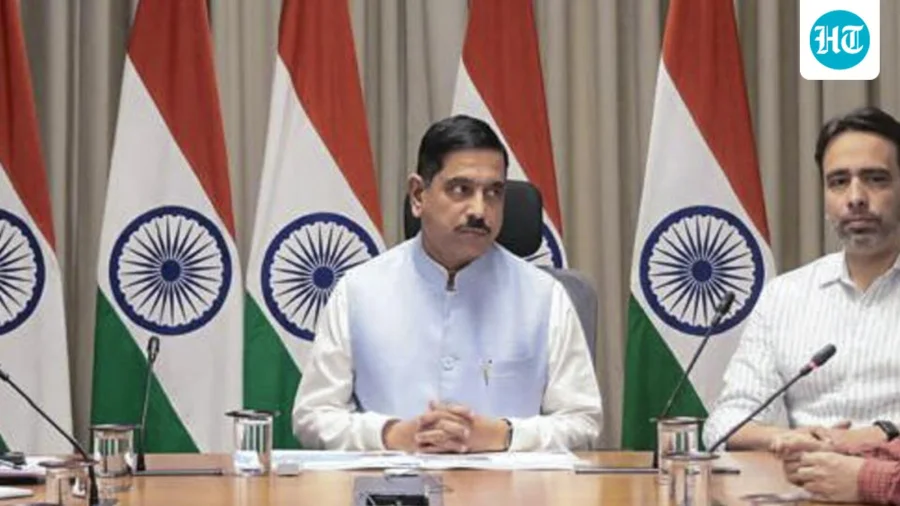
Pralhad Joshi has officially taken charge as India’s education minister, stepping into a role he candidly described as “a new subject” for him. The admission, made during his first remarks after assuming office, signals both humility and the scale of the challenge ahead.
What Pralhad Joshi said on taking charge
Speaking to reporters after assuming charge, Joshi said Prime Minister Narendra Modi gave him “this huge responsibility based on trust and belief.” He acknowledged that education is a fresh domain for him, having previously handled portfolios like parliamentary affairs, coal, and mines. “This is a new subject for me,” he said, adding that he will work hard to meet expectations.
Why this appointment matters for India’s education system
The education ministry oversees nearly 1.5 million schools, over 1,000 universities, and 42,000 colleges. With the National Education Policy (NEP) 2020 in its implementation phase, the new minister’s approach will shape how India’s 250 million students experience learning. Joshi’s unfamiliarity with the sector raises questions about the learning curve, but also opens room for fresh perspectives.
Joshi’s previous portfolios and experience
Before this appointment, Joshi served as Minister of Parliamentary Affairs, Minister of Coal, and Minister of Mines. He is a seasoned politician from Karnataka, known for his administrative experience and close association with PM Modi. His background in handling complex ministries could help navigate the bureaucratic challenges of education reform.
What students, teachers, and parents can expect
For students and parents, the key concern is continuity of reforms like the new curriculum framework, board exam changes, and digital learning initiatives. Teachers are watching for policy on training and recruitment. Joshi’s early moves — whether he retains the current team or brings in new advisors — will signal his priorities.
Official response and political reactions
Joshi’s appointment has drawn mixed reactions. Supporters highlight his administrative record and ability to deliver on government priorities. Critics question the lack of an education background for a ministry that shapes the future of India’s youth. The opposition is expected to scrutinise his performance, especially on NEP implementation and exam reforms.
What this change means for NEP 2020 implementation
The National Education Policy 2020 is the most ambitious education reform in decades. It requires coordinated action across states, curriculum redesign, teacher training, and infrastructure upgrades. Joshi’s ability to drive this agenda will depend on how quickly he gets up to speed and builds consensus among stakeholders.
Confirmed facts vs what remains unclear
Confirmed: Joshi has taken charge as education minister. He acknowledged the portfolio is new to him. He credited PM Modi’s trust for the appointment. Unclear: Whether there will be any immediate policy changes. The timeline for key NEP milestones. Joshi’s specific priorities for school vs higher education. Any speculation about his approach should be treated as early analysis, not confirmed policy.
Risks and balanced view
The biggest risk is the learning curve. Education is a complex, multi-stakeholder domain with state governments, regulatory bodies, and international commitments. Joshi’s lack of direct experience could slow decision-making. On the other hand, a fresh perspective might challenge entrenched inefficiencies. The balance between continuity and change will define his early tenure.
Wider trend: Political leaders in education portfolios
India has a history of appointing non-education specialists to the education ministry. This reflects the political nature of the portfolio, which involves federal relations, budget allocations, and ideological debates. Joshi’s appointment continues this pattern, where administrative and political skills are valued over domain expertise.
What students, parents, and educators should do now
For now, stakeholders should watch for Joshi’s first policy statements, meetings with state education ministers, and any changes to the ministry’s senior team. Students preparing for board exams or competitive tests should continue with their current plans — no immediate disruptions are expected. Educators can engage with the ministry through official channels to voice concerns.
Future outlook: What could happen next
In the coming weeks, Joshi is expected to hold review meetings with department heads, meet with state education ministers, and outline his vision. Key areas to watch: NEP implementation roadmap, exam calendar for 2025, digital education push, and teacher recruitment reforms. Any major policy shift is unlikely before a full assessment of the current pipeline.
Our Take
Pralhad Joshi’s appointment as education minister is a test of administrative adaptability. His honesty about the portfolio being new is refreshing, but the education sector needs more than humility — it needs decisive action on NEP, exam reforms, and quality improvement. The coming months will reveal whether his political experience translates into educational outcomes. For now, the nation watches with cautious optimism.
Frequently Asked Questions
Who is the new education minister of India?
Pralhad Joshi has been appointed as the Union Minister of Education. He previously held portfolios including parliamentary affairs, coal, and mines.
What did Pralhad Joshi say about his new role?
Joshi said the education portfolio is “a new subject” for him and that PM Modi gave him the responsibility based on trust and belief.
What are the key challenges for the new education minister?
The main challenges include implementing the National Education Policy 2020, reforming board exams, improving teacher training, and expanding digital education access.
Will there be changes to the current education policies?
No immediate policy changes are expected. Joshi will likely review ongoing initiatives before announcing any shifts in direction.