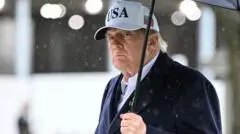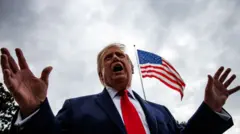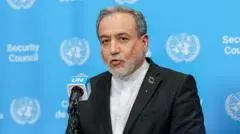
The diplomatic standoff between Washington and Tehran took a sharp turn this week after Iran’s government publicly rejected Donald Trump’s claim that a deal to end the US-Israel war on Iran is near. “Nothing has been finalised,” Iranian officials said, dismissing reports of a breakthrough as “speculative” and premature.
Trump’s ‘Great Settlement’ Claim vs Tehran’s Denial
On Thursday, former US President Donald Trump announced that a “great settlement” to end the conflict had been reached, sparking a brief drop in global oil prices. However, within hours, Tehran issued a firm rebuttal. “No final decision has been made on any deal,” an Iranian spokesperson told reporters, according to multiple news agencies. The contradiction has left markets and diplomats in a state of uncertainty.
Why This Contradiction Matters for the Region
The conflicting statements are not just a matter of diplomatic posturing. For millions in the Middle East and beyond, the war has already caused humanitarian crises, disrupted oil supplies, and raised fears of a broader regional conflict. If a deal is truly close, it could signal an end to airstrikes and sanctions. If not, the region faces prolonged instability. The public disagreement between the two sides undermines trust in the negotiation process.
How We Got Here: A Timeline of Stalled Talks
The US-Israel military campaign against Iran began earlier this year, with airstrikes targeting Iranian nuclear and military facilities. Peace talks, mediated by Gulf states and European powers, have been ongoing for weeks but have repeatedly stalled over key issues, including Iran’s uranium enrichment programme and the lifting of sanctions. Trump’s claim of a deal came after he cancelled a new round of strikes, a move he described as a gesture of goodwill.
Who Is Affected by the Uncertainty
Ordinary Iranians are bearing the brunt of the war and sanctions, with inflation soaring and basic goods becoming scarce. In Israel, families of soldiers and civilians alike are anxious for an end to hostilities. Global energy markets are on edge: any sign of a deal sends oil prices down, while any setback pushes them up. Investors, traders, and policymakers are watching every statement for clues.
Official Responses: What Each Side Is Saying
Trump’s camp has not clarified the specifics of the alleged deal, with aides saying only that “progress has been made.” Iran’s foreign ministry, meanwhile, has been unequivocal: “Reports of a finalised agreement are baseless. Negotiations are ongoing, and no document has been signed.” European mediators have remained silent, adding to the confusion.
What’s Really Behind the Conflicting Claims?
Analysts suggest both sides may be using public statements to strengthen their negotiating positions. Trump, facing domestic political pressure, may want to project success. Iran, wary of appearing weak, may be downplaying any concessions. The gap between the two narratives suggests that while talks may have advanced, a final deal is far from certain.
Confirmed Facts vs What Remains Unclear
Confirmed: Trump cancelled planned strikes and claimed a deal is near. Iran’s government has denied any final agreement. Oil prices initially fell then stabilised. Unclear: The exact terms of any proposed deal. Whether a framework agreement exists. The role of mediators. The timeline for any potential signing. All speculation about specific concessions or timelines should be treated as unconfirmed.
Risks and Balanced View
If Trump’s claim is exaggerated, it could damage US credibility and embolden Iran to demand more concessions. If Iran is downplaying a real breakthrough, it risks prolonging a war that has already caused immense suffering. Critics warn that any deal that leaves Iran’s nuclear programme intact could be seen as a failure by Israel and Gulf states. Supporters argue that any end to hostilities is preferable to continued war.
Wider Pattern: The Politics of ‘Deal or No Deal’
This is not the first time a US leader has announced a breakthrough before it was finalised. From the North Korea summits to the Doha talks with the Taliban, premature claims of success have often been followed by denials and collapse. The Iran case fits a pattern where public diplomacy is used as a tool to shape narratives, sometimes at the expense of actual progress.
Practical Guidance for Readers
For those following the situation: rely on official statements from Iran’s foreign ministry and verified US government channels. Avoid unverified social media claims. Investors should prepare for continued volatility in oil and defence stocks. For families in the region, humanitarian organisations like the Red Cross and UNHCR remain the most reliable sources for aid and safety information.
Future Outlook: What Could Happen Next
If talks resume in good faith, a ceasefire could be possible within weeks, but a comprehensive deal will take months. If the current impasse continues, the risk of renewed airstrikes or escalation remains high. The next few days will be critical: any official confirmation from mediators or a joint statement would signal real progress. Without that, the war is likely to continue.
Our Take
This story is a reminder that in high-stakes diplomacy, what is said publicly often diverges from what is happening privately. The real test is not who makes the boldest claim, but whether lives on the ground improve. Until both sides agree on a verifiable, transparent framework, the public should treat all announcements with caution. The war is not over until both sides say it is — and mean it.
Frequently Asked Questions
Did Trump actually claim a deal to end the Iran war is near?
Yes, Trump said a “great settlement” had been reached and cancelled planned strikes. However, Iran’s government has denied any final agreement, calling reports “speculative.”
Why did Iran say ‘nothing finalised’?
Iran’s foreign ministry stated that no final decision has been made on any deal, contradicting Trump’s claim. Officials said negotiations are ongoing and no document has been signed.
How did oil prices react to the conflicting statements?
Oil prices initially fell after Trump’s announcement but stabilised after Iran’s denial. Markets remain volatile as traders assess the uncertainty over the actual status of talks.
What should I believe — Trump or Iran?
Until a joint statement or independent confirmation from mediators emerges, both claims should be treated with caution. The safest approach is to rely on verified official statements from both governments and credible news agencies.